



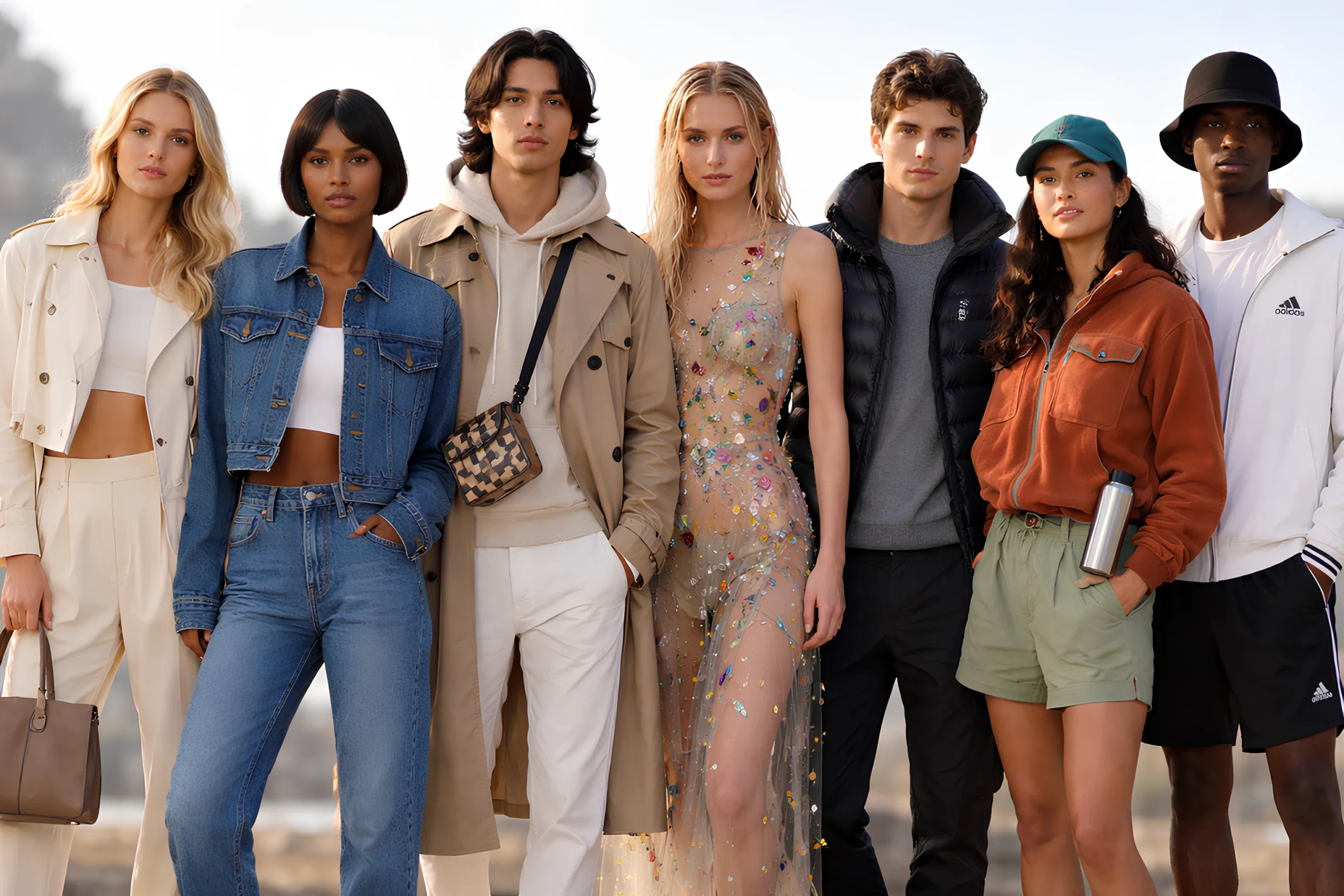
Clothing brands using AI models refers to fashion companies that integrate artificial intelligence into content creation, product visualization, personalization, and operational workflows to improve efficiency and customer experience. In 2026, brands such as H&M, Levi’s, ZARA, Burberry, Collina Strada, Moncler, Patagonia, Adidas, Norma Kamali, and Shein apply AI models to generate fashion visuals, optimize inventory, enable virtual try-on, and support digital merchandising across platforms.
Within clothing brands using AI models, this adoption strengthens cost efficiency, accelerates content production, improves personalization, and enables scalable operations with consistent branding across markets. To support these capabilities, brands often start with an AI-powered fashion design tool to develop and refine clothing concepts, before selecting the right platform, such as AI Model Creator, to ensure high-quality outputs, customization, and seamless integration, allowing brands to scale effectively while aligning with business and sustainability goals.
The top 10 Clothing Brands Using AI Models in 2026 are :
- H&M: Uses AI twin models to scale product visuals and maintain consistent content across global markets.
- Levi’s: Applies AI models to create inclusive fashion visuals that reflect diverse body types and identities.
- ZARA: Leverages AI models to generate rapid campaign and product visuals aligned with fast-changing trends.
- Burberry: Uses AI models to deliver personalized luxury experiences through digital avatars and virtual try-on.
- Collina Strada: Integrates AI models to create experimental digital visuals for artistic and sustainable storytelling.
- Moncler: Utilizes AI models to produce consistent outerwear visuals for global campaigns and digital platforms.
- Patagonia: Applies AI models to support resale systems, reduce waste, and improve sustainable operations.
- Adidas: Uses AI models to personalize customer experiences through recommendations and virtual try-on features.
- Norma Kamali: Leverages AI models to accelerate digital design and generate product visuals efficiently.
- Shein: Uses AI models to produce large-scale product visuals for its high-volume e-commerce catalog.
H&M

H&M uses Artificial Intelligence and generative AI models to create virtual fashion models that present garments across e-commerce platforms, marketing campaigns, and personalized digital channels. The brand creates digital twin models for social media and campaign use through partnerships with AI providers such as Uncut, which enables consistent and scalable content production without relying fully on traditional fashion shoots.
This AI-driven approach reduces production costs, accelerates content creation timelines, and delivers localized visuals based on customer data and fashion trends. H&M applies these AI-generated models mainly to support high-volume content such as product listings and testing visuals, while human models continue to handle premium campaigns and storytelling, maintaining a balance between operational efficiency and brand authenticity.
Levi’s
AI models are employed by Levi’s to create virtual fashion models that represent diverse body types, skin tones, and age groups across e-commerce platforms and digital campaigns. The brand collaborates with AI providers such as Lalaland.ai to create inclusive visuals, where the technology generates digital models that wear specific garments and help customers see how those products would look on body types similar to their own.
By presenting product visuals that reflect real-world diversity, Levi’s increases customer engagement while reducing production time and operational costs. The brand uses AI-generated models to support large-scale content production, such as product listings and digital catalogues, while human models continue to lead premium campaigns and storytelling, which confirms that AI systems support rather than replace human models.
ZARA

Artificial intelligence is integrated into ZARA’s content production pipeline through the use of generative AI models and computer vision systems that create virtual fashion models for e-commerce, lookbooks, and campaign visuals. The brand utilizes proprietary AI systems along with advanced generative tools, similar to diffusion-based image models, to produce studio-quality images where digital models wear collections, simulate poses, and display styling variations without requiring physical photoshoots.
Reducing production timelines and operational costs allows ZARA to maintain a rapid product release cycle driven by real-time demand signals and social media trends. AI-generated models handle large-scale visual content such as product images and campaign variations, while human models remain central to editorial shoots and brand storytelling, which confirms that AI systems support content production rather than replacing human models.
Burberry
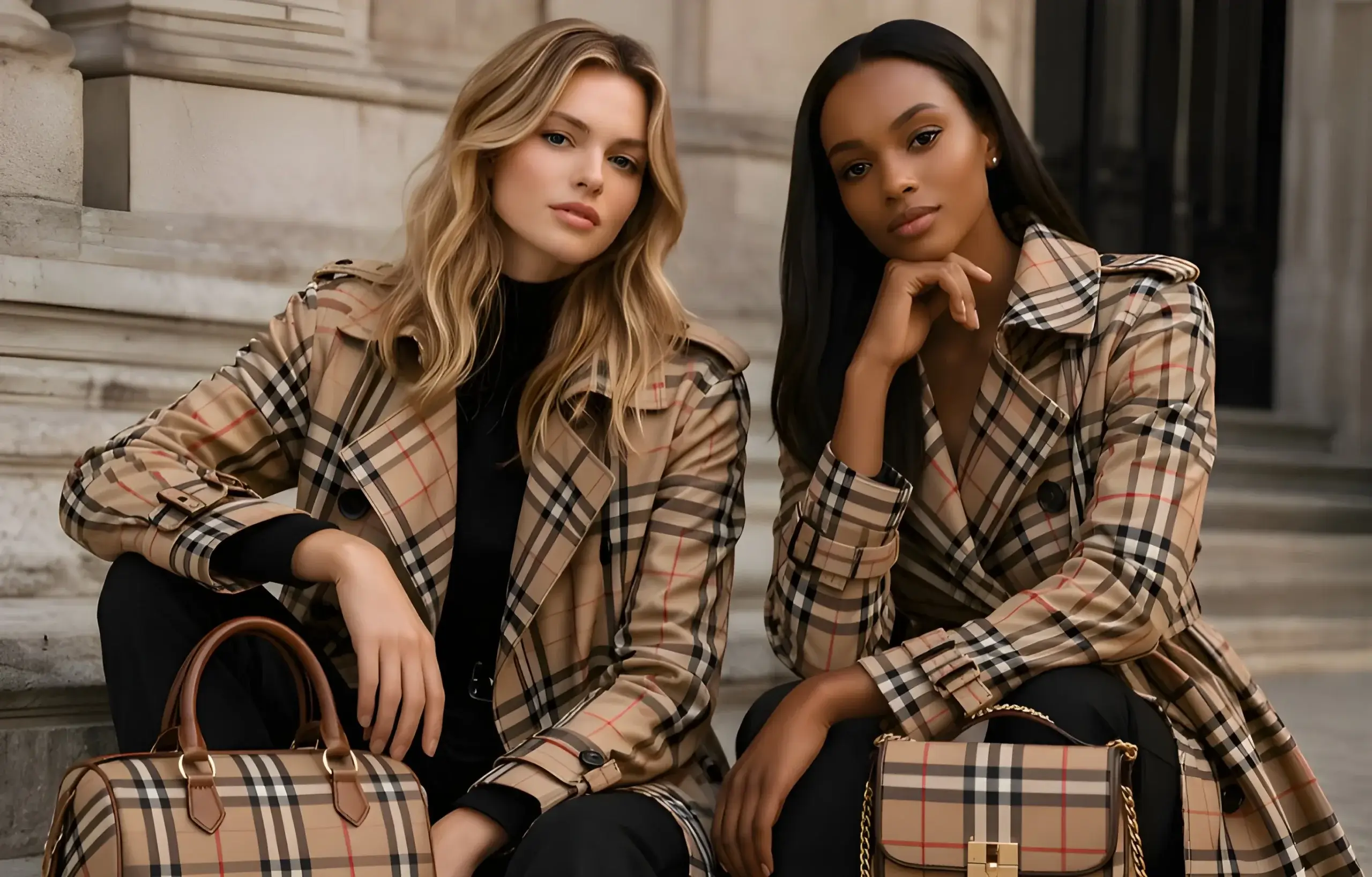
To deliver personalized luxury experiences at scale, AI models are used by Burberry to generate virtual fashion models and interactive campaign visuals across digital platforms. Generative AI models create digital avatars that present collections in virtual showrooms and campaigns, enabling faster visual production without full reliance on physical shoots, while the Penguin platform uses AI models to analyze customer data, personalize clienteling, enable virtual try-ons, and optimize supply chain decisions in real time.
As a result, Burberry improves customer engagement through more relevant and immersive experiences while also increasing operational speed and inventory accuracy. AI-generated models support scalable content production and interactive touchpoints, reducing campaign timelines and production costs, while human models continue to lead high-fashion storytelling, confirming that AI models support rather than replace them.
Collina Strada
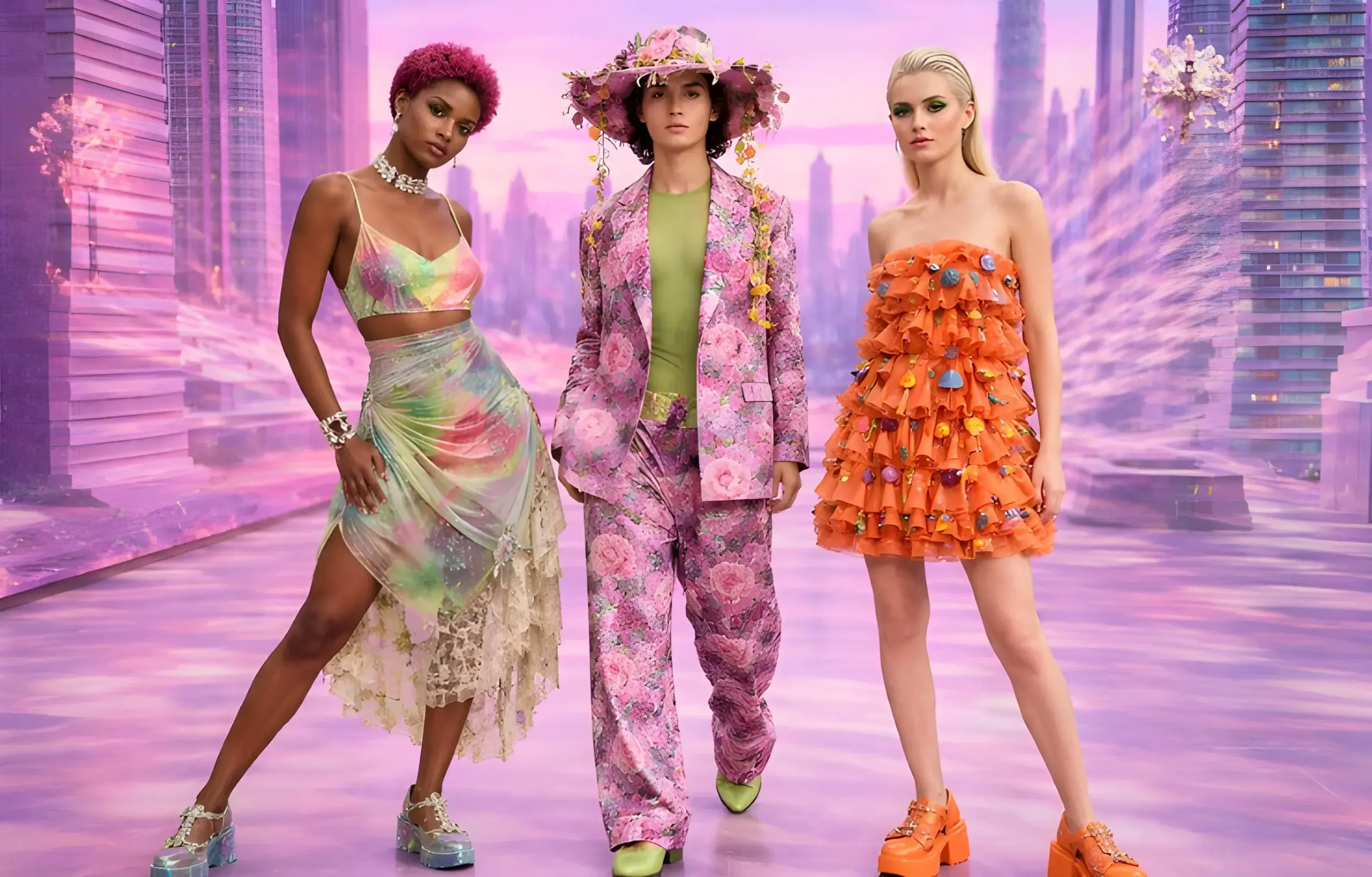
Collina Strada uses AI models to create virtual fashion models that appear directly in campaign visuals and digital runway presentations, where generative AI systems generate avatars that wear specific garments and simulate styling, poses, and motion. These AI-generated models are integrated into lookbooks and fashion week presentations, allowing the brand to present collections through fully or partially digital formats instead of relying only on physical shoots and staging.
This usage allows the brand to experiment with creative concepts quickly while reducing the need for physical production resources. AI models support content production and visual experimentation, while human models continue to appear in live runway shows and brand storytelling, which confirms that AI models support rather than replace them.
Moncler
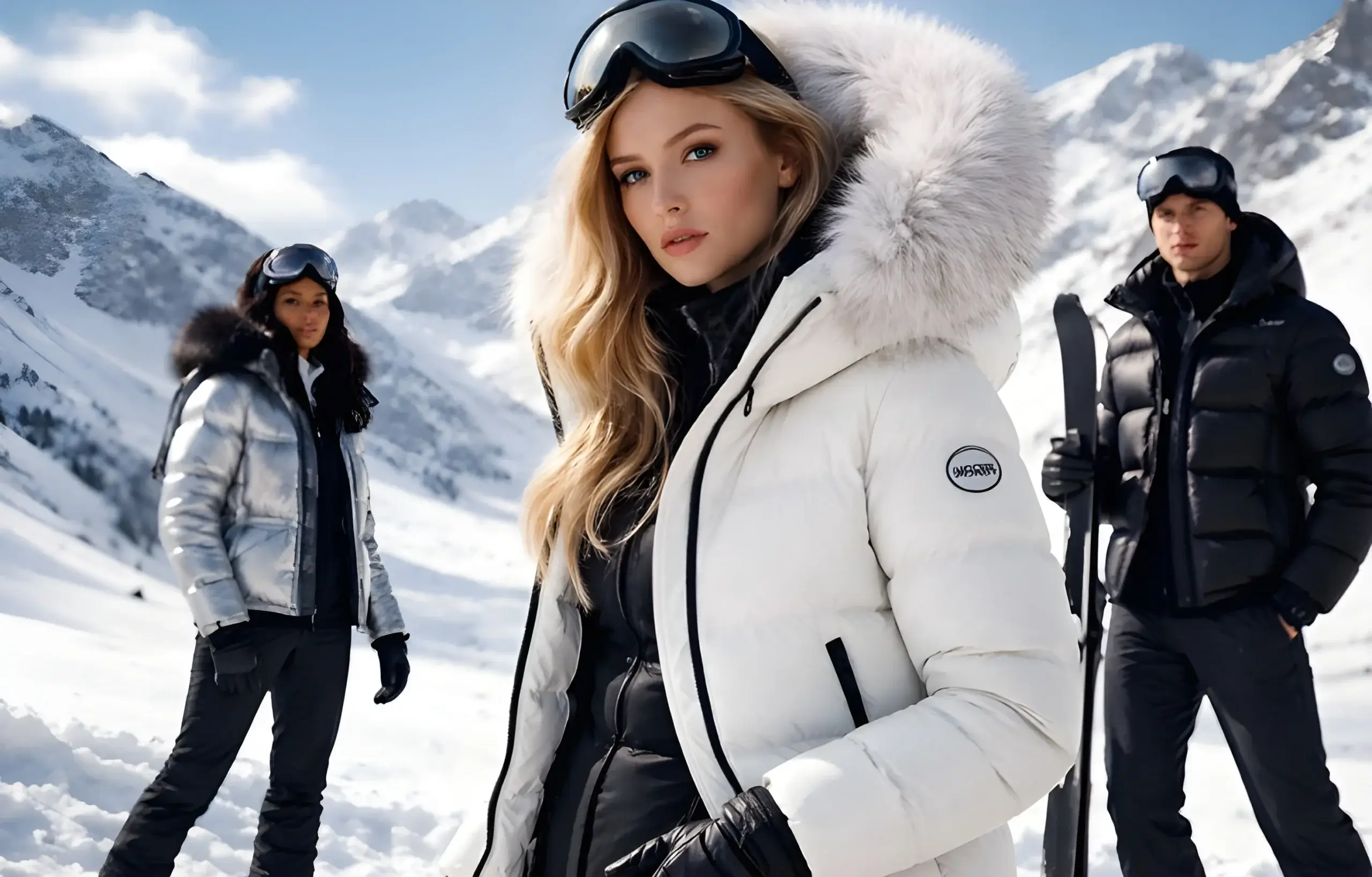
Moncler produces digital campaigns and product visuals using AI models that generate virtual fashion models to wear and display outerwear collections across e-commerce and branded content. The generative AI system creates multiple variations of model poses, styling, and backgrounds, which allows the brand to produce consistent visuals for outerwear collections without organizing location shoots or repeated photoshoots.
This approach enables Moncler to quickly adapt visuals for different markets, seasons, and campaign themes while maintaining a consistent brand presentation. It also improves production efficiency by reducing dependency on location shoots and manual coordination, allowing the brand to scale content output and respond faster to changing demand and fashion trends, while AI models support content production rather than replace human models.
Patagonia

In 2026, Patagonia uses AI models with a strong focus on sustainability by optimizing inventory for its Worn Wear resale program, applying 3D digital design to reduce material waste, and delivering personalized customer recommendations. The brand adopts low-energy, ethically aligned AI systems instead of high-consumption models, ensuring consistency with its environmental values. In collaboration with Trove, Patagonia uses AI to manage resale inventory, assess product condition, and automatically price used gear based on quality and demand.
AI models improve inventory accuracy and streamline resale workflows, enabling Patagonia to operate its circular business model more efficiently. These systems support faster product circulation and better demand alignment, while human teams continue to oversee quality control, pricing strategies, and sustainability standards.
Adidas
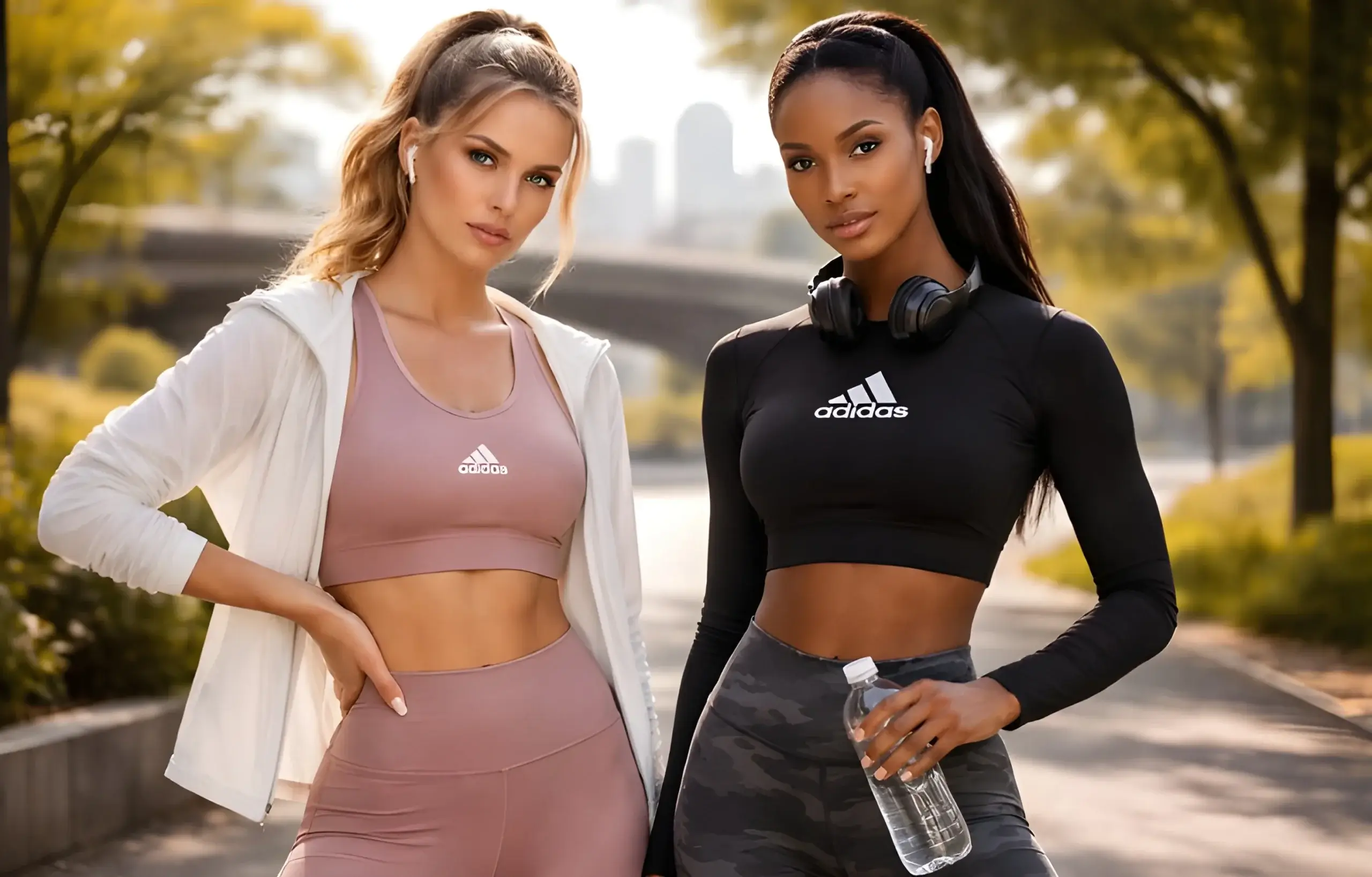
AI models are used to create virtual fashion models that showcase sportswear across e-commerce platforms and marketing campaigns, enabling Adidas to deliver consistent and performance-driven visual content. Generative AI models produce digital athletes and avatars that wear products such as running shoes and apparel, generating multiple variations of poses, body types, and environments to fit different campaigns and audience segments. These AI-generated visuals are directly used for product pages, digital ads, and personalized marketing assets.
Integration with recommendation systems and virtual try-on features allows AI models to help Adidas align visuals with customer preferences and improve product discovery. This usage increases content production speed, supports personalized experiences, and reduces dependency on repeated photoshoots, while enabling the brand to scale campaigns efficiently across global markets.
Norma Kamali

Norma Kamali uses AI models by converting garment designs into digital formats and applying generative AI systems to create virtual fashion models that wear and present those designs across e-commerce platforms and digital campaigns. These AI-generated models produce multiple variations in poses, styling, and visual formats that are directly used for product displays and marketing assets, eliminating the need for repeated photoshoots.
This usage allows the brand to accelerate content production, reduce operational costs, and quickly adapt visuals for new collections and trends. AI models support content production and digital presentation by handling scalable visual outputs, while human teams continue to guide creative direction and ensure design accuracy, confirming that AI models support rather than replace human models.
Shein
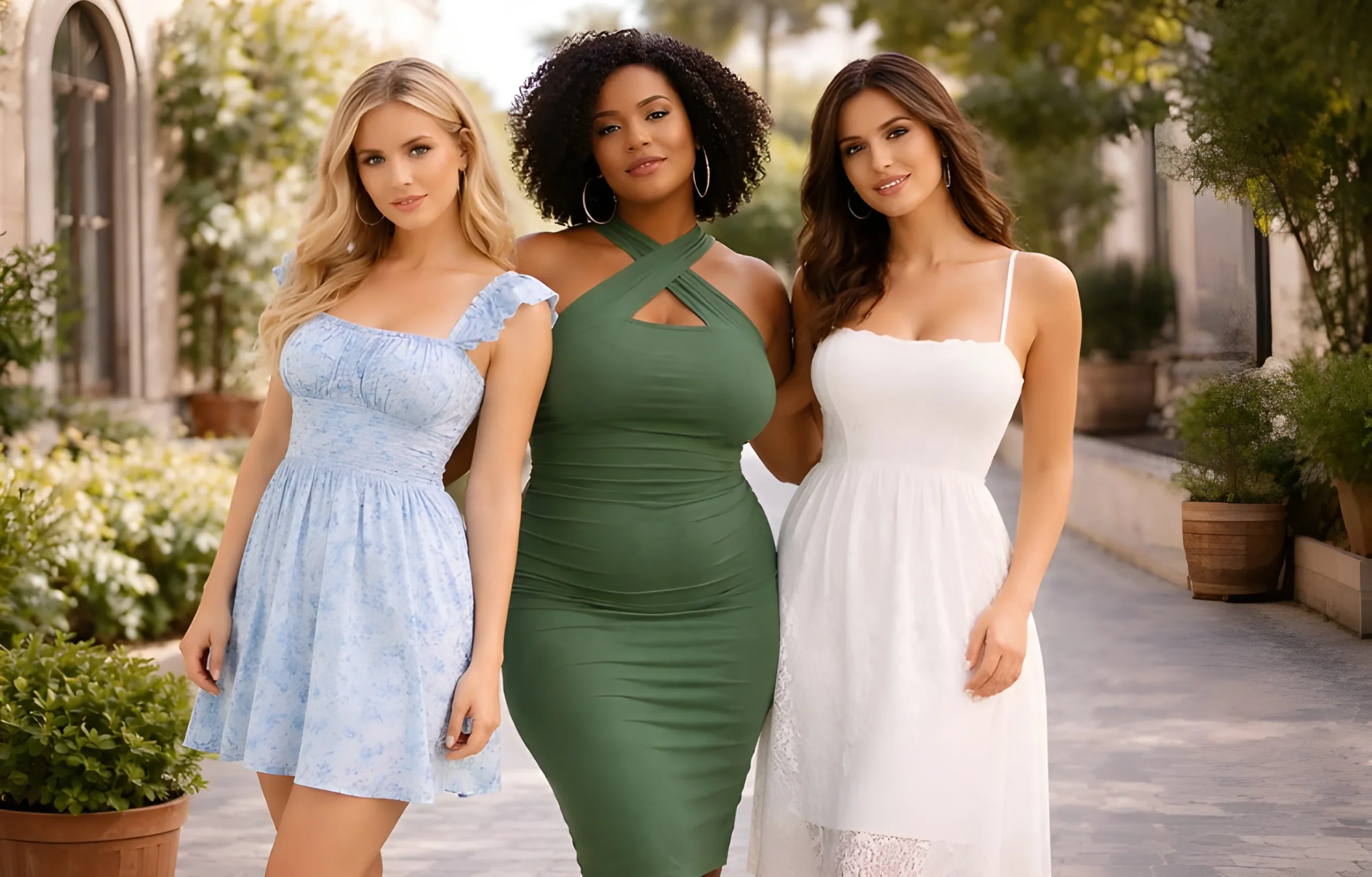
A large portion of Shein’s product catalog is created using AI models that generate virtual fashion models to display clothing directly on product pages. Instead of organizing separate shoots for each item, the system takes garment inputs and produces model visuals with different poses, body types, and backgrounds, which are immediately deployed across its e-commerce platform.
Handling this process through AI allows Shein to upload thousands of new products with consistent visuals while keeping production time and cost low. The system is primarily used to scale content output and maintain rapid inventory turnover, where AI models support content production for bulk listings rather than replacing all human-led campaigns.
What are the Key Benefits of Using AI Models for Clothing Brands
The benefits of using AI Models for Clothing Brands include cost reduction and efficiency, enhanced sustainability, improved customer experience, faster content creation, scalability, on-demand customization, an enhanced e-commerce experience, and consistent branding. These capabilities allow brands to streamline operations while adapting quickly to market demand and customer preferences.
Key benefits of using AI Models for Clothing Brands are:
- Cost Reduction & Efficiency
AI models reduce operational costs by automating content creation, inventory control, and pricing workflows. Brands such as H&M and Shein use AI-generated fashion models to eliminate repeated photoshoots, which removes expenses related to studios, logistics, and model coordination. AI systems also analyze demand signals and optimize inventory distribution, which reduces overproduction and unsold stock. This structured automation improves efficiency across supply chain management and digital merchandising, allowing brands to allocate resources toward growth-focused activities such as personalization and customer engagement. - Enhanced Sustainability
Regarding sustainability, AI models reduce waste across design, production, and resale workflows by enabling more efficient and data-driven processes. Patagonia applies AI-driven 3D design to simulate garments before manufacturing, which minimizes textile waste and sampling errors. AI models manage resale platforms like Worn Wear by assessing product condition and enabling reuse, which reduces overproduction and waste while supporting efficient circular operations and product availability. - Improved Customer Experience
AI models improve customer experience by analyzing customer data such as browsing behavior, preferences, and purchase history to deliver personalized and relevant interactions across digital platforms. For example, Levi’s uses AI-generated models to represent different body types and skin tones, allowing customers to view products on models similar to themselves. This improves confidence in product selection, reduces uncertainty, and increases satisfaction, leading to higher engagement and improved conversion rates. - Faster Content Creation
In terms of content creation, AI models accelerate production by generating product visuals and marketing assets directly from digital inputs, eliminating the need for time-intensive photoshoots. For example, ZARA uses generative AI models to create campaign visuals and product images rapidly, which helps the brand respond to real-time demand and maintain a fast product release cycle across global markets. - Scalability
AI models enable scalability by generating large volumes of product visuals and content variations from digital inputs, allowing brands to manage extensive inventories without increasing production resources. This helps brands expand across multiple markets while maintaining consistent output and faster product updates. Brands like Shein uses AI models to produce thousands of product images with different styles and backgrounds, which supports its high-volume catalog and rapid inventory turnover. - On-Demand Customization
For on-demand customization, AI models generate personalized product visuals and recommendations using real-time customer data such as preferences, location, and behavior. This allows brands to deliver tailored content and styling variations that match individual user needs. Adidas uses AI models integrated with recommendation systems and virtual try-on features to provide personalized product suggestions and customized visual experiences, improving engagement and purchase decisions. - Enhanced E-commerce Experience
Through improved digital interactions, AI models strengthen the e-commerce experience by enabling virtual try-on, visual search, and personalized product recommendations. These features allow customers to better evaluate fit, styling, and product details before making a purchase, which reduces uncertainty in online shopping.Burberry integrates AI models into virtual try-on and digital avatar systems, which allow customers to interact with products in an immersive way and make more confident purchase decisions. - Consistent Branding
AI models ensure consistent branding by generating standardized visuals across campaigns, platforms, and regions, maintaining uniform styling, lighting, and presentation. This allows brands to preserve a cohesive identity while scaling content production across global markets. Brands like Moncler use AI models to maintain consistent visual presentation of its outerwear collections across campaigns, ensuring brand identity remains uniform across different regions and digital channels.
How to Choose the Right AI Model Platform for Your Brand
Choosing the right AI model platform requires evaluating how well it aligns with your brand’s content, scalability, and customer experience needs, and tools like AI Model Creator support this process by enabling efficient visual generation. Start by defining your use case, such as product visuals or personalization, then assess output quality, realism, and customization options like body types and styling. The platform should integrate with your e-commerce and marketing systems while supporting large-scale content generation, while also offering strong personalization, cost efficiency, and sustainable practices for long-term brand growth.
