


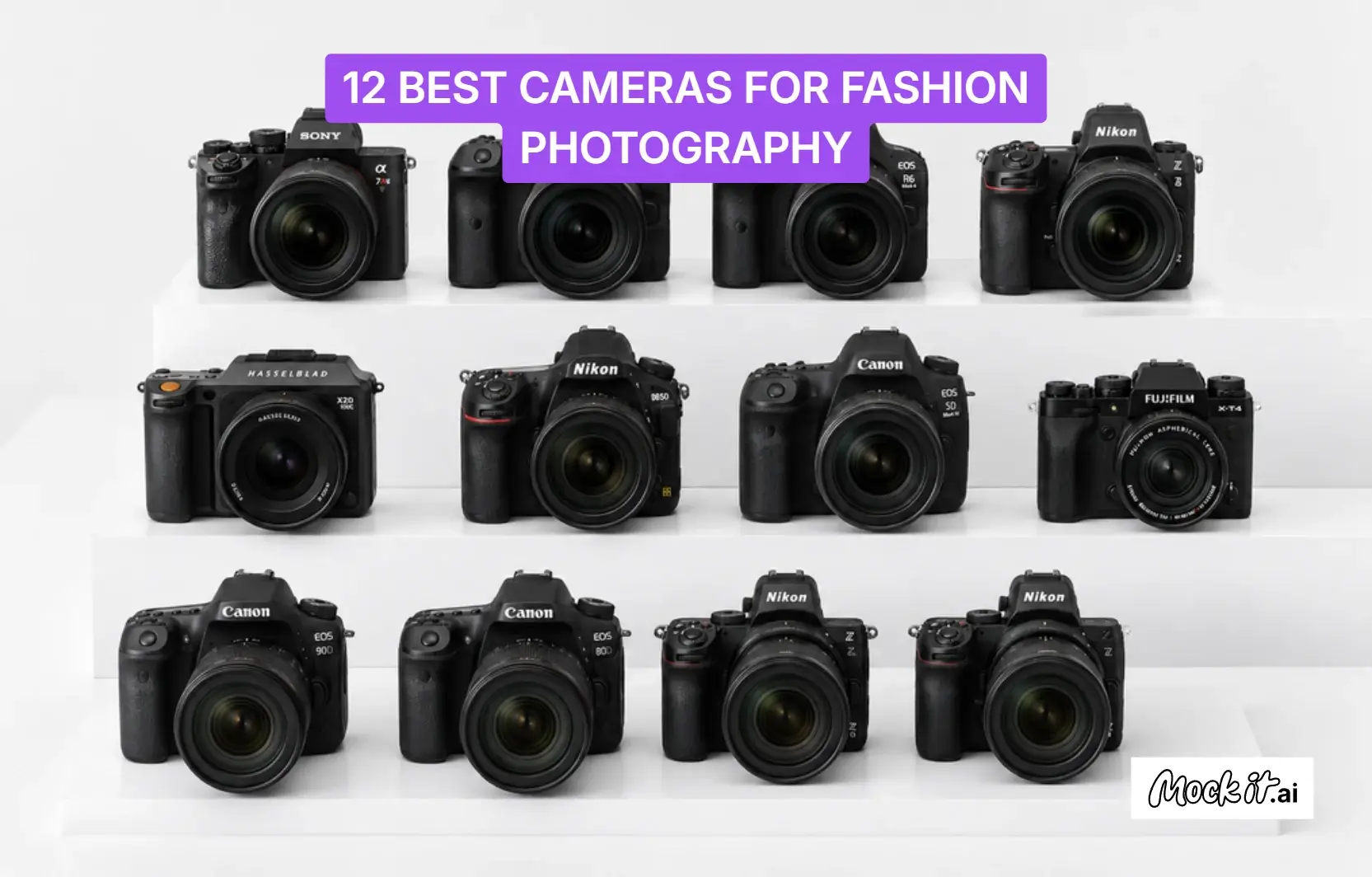
For the best fashion photography experience, consider cameras such as the Sony a7R V, Canon EOS R5, Canon EOS R6 Mark II, Nikon Z8, Hasselblad X2D 100C, Nikon D850, Canon 5D Mark IV, Fujifilm X-T4, Canon EOS 90D, Canon EOS 80D, Nikon Z6 II, and Nikon Z6. These cameras cater to different skill levels, budgets, and shooting styles while offering the image quality, autofocus performance, and color accuracy required for fashion photography. From medium-format systems built for luxury campaigns to affordable DSLRs suitable for beginners, each model provides unique advantages for editorial, commercial, runway, and social media-focused work.
The ideal camera depends on how you work, not on simply choosing the most expensive option. Professional fashion photographers often prioritize color science, Eye AF performance, lens availability, and workflow efficiency over megapixel count alone. Full-frame models remain the preferred choice for most editorial and commercial projects, while APS-C cameras provide an accessible entry point for portfolio building. Pairing a capable camera with quality prime lenses, effective lighting, and strong technical skills will typically have a greater impact on your results than upgrading to a flagship body. By balancing image quality, autofocus reliability, lens ecosystem, and budget, photographers can build a system that supports long-term growth in fashion photography.
The 12 best professional cameras for fashion photography are:
- Sony a7R V
- Canon EOS R5
- Canon EOS R6 Mark II
- Nikon Z8
- Hasselblad X2D 100C\
- Nikon D850
- Canon 5D Mark IV
- Fujifilm X-T4
- Canon EOS 90D
- Canon EOS 80D
- Nikon Z6 II
- Nikon Z6
Sony a7R V
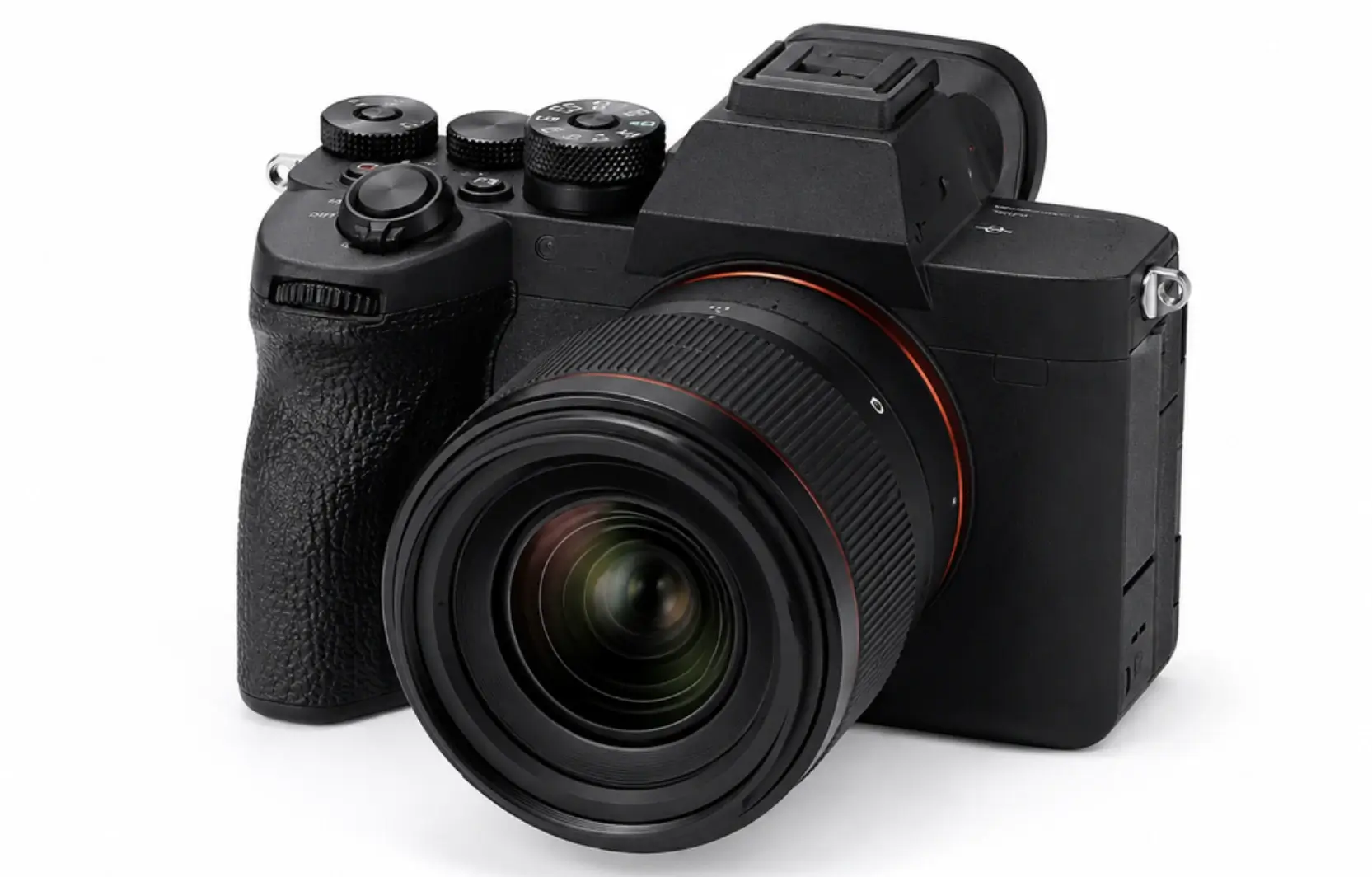
The Sony a7R V is one of the best cameras for fashion photography because it combines exceptional resolution, intelligent autofocus, and professional workflow features. Its 61MP full-frame sensor captures intricate fabric textures, garment details, jewelry, and makeup with remarkable clarity. This high resolution gives photographers the flexibility to crop images significantly or create large-format prints for fashion magazines, advertising campaigns, and billboards without sacrificing image quality. The camera is particularly valuable for editorial and commercial fashion photography, where precision and detail directly influence the final output.
The camera’s AI-powered autofocus system recognizes and tracks eyes, faces, body positions, and subject movement with impressive accuracy. This capability helps photographers maintain sharp focus during runway shows, editorial sessions, and fast-paced fashion shoots. Sony’s Pixel Shift Multi Shooting mode can generate ultra-high-resolution files for projects requiring extreme detail. Accurate color reproduction and natural skin tone rendering also reduce post-production workload, while the versatile 4-axis multi-angle LCD supports creative shooting angles in both studio and on-location environments.
Canon EOS R5
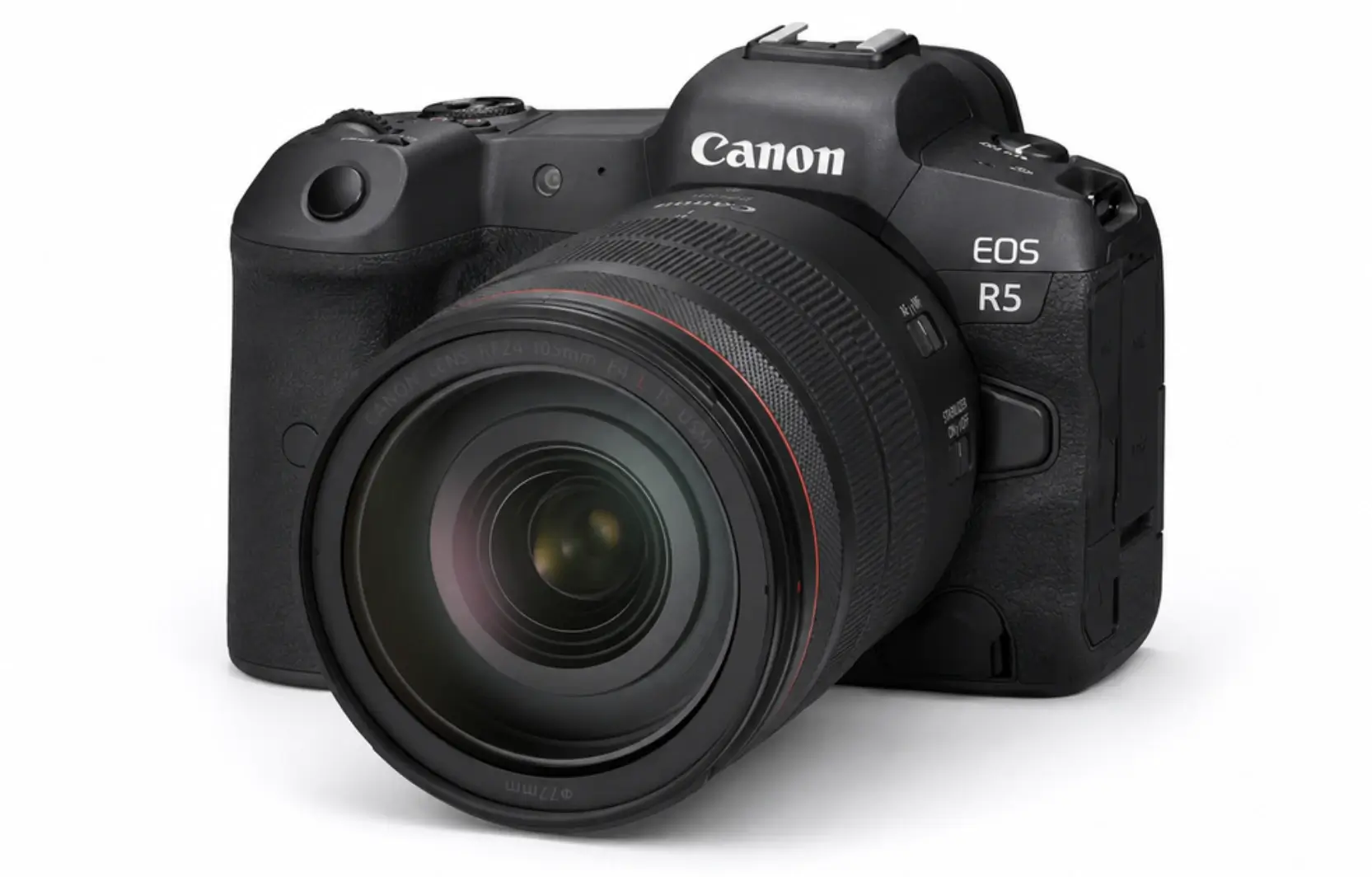
The Canon EOS R5 is a leading choice for fashion and editorial photography, combining a 45MP full-frame sensor, advanced autofocus, and Canon’s renowned color science. Its high-resolution sensor captures fine details in fabrics, accessories, makeup, and skin textures, making it suitable for magazine editorials, lookbooks, and commercial campaigns. The resolution also provides flexibility for cropping and large-format publishing without compromising image quality. Fashion photographers benefit from the camera’s wide dynamic range, which preserves highlight and shadow detail while maintaining accurate color reproduction across different lighting conditions.
The EOS R5 features a deep-learning autofocus system that tracks a model’s eyes, face, and body with exceptional precision, even during movement or when facial features are partially obscured. Continuous shooting speeds of up to 20 frames per second help capture fleeting expressions and runway moments with confidence. Access to Canon’s RF lens ecosystem further expands creative possibilities through exceptional sharpness and smooth background separation. Combined with dependable tethering capabilities and natural skin tone rendering, the Canon EOS R5 remains a strong option for professionals producing high-end fashion, editorial, and commercial photography.
Canon EOS R6 Mark II
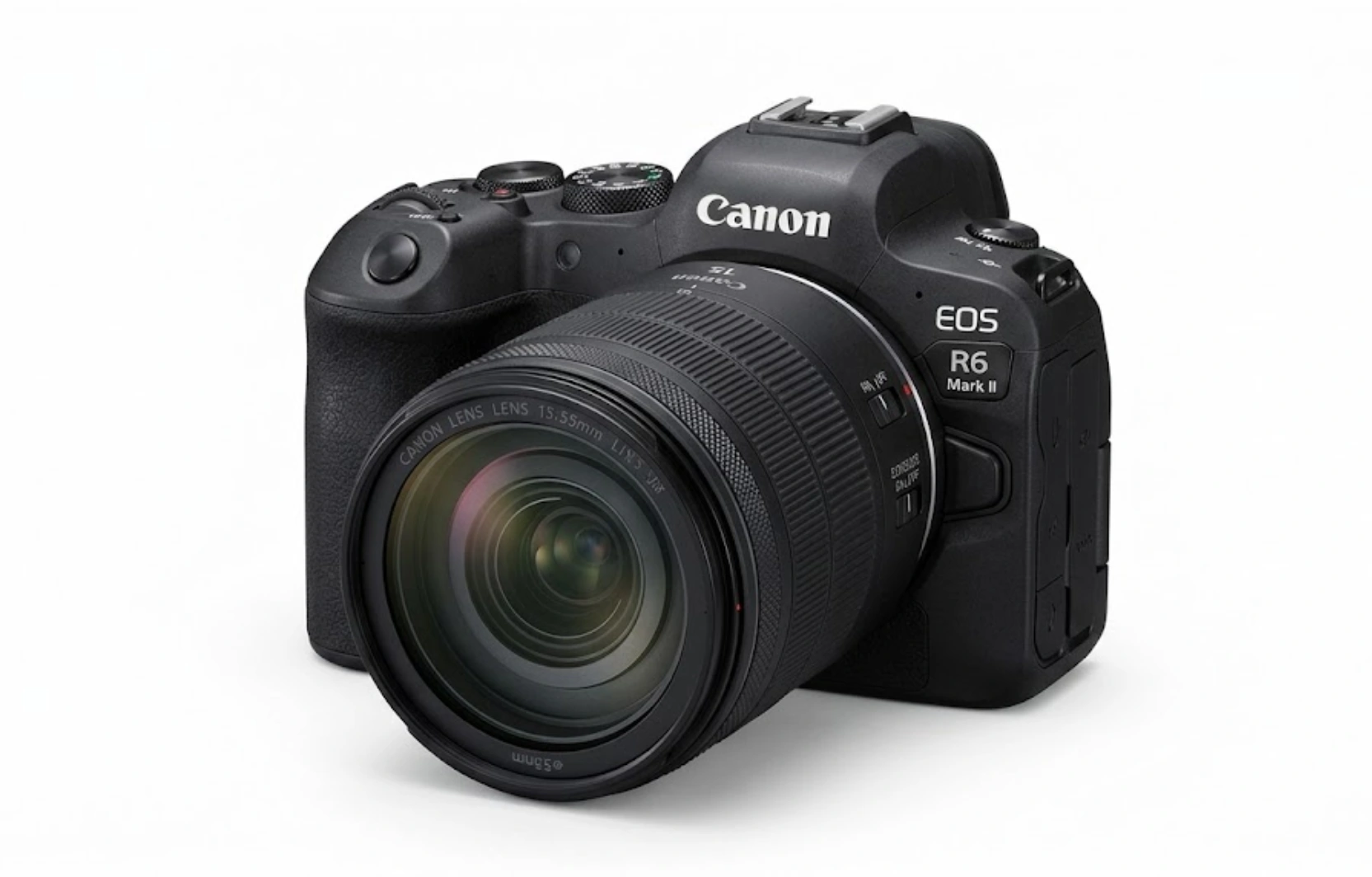
The Canon EOS R6 Mark II is a versatile camera for fashion photography, particularly for editorial projects, social media campaigns, e-commerce shoots, and content creation. Its 24.2MP full-frame sensor delivers sharp images, accurate colors, and strong low-light performance, making it well-suited for both studio and on-location work. Canon’s Dual Pixel CMOS AF II system uses intelligent subject detection to track eyes, faces, and body movements with impressive accuracy, helping photographers maintain focus during runway shows, editorial sessions, and fast-paced fashion shoots. This reliability supports a smoother workflow and increases the number of usable images captured during a session.
A major advantage of the EOS R6 Mark II is its balance of speed and versatility. The camera can shoot up to 40 frames per second with the electronic shutter, making it easier to capture fleeting poses and expressions. Its in-body image stabilization provides up to 8 stops of compensation with compatible RF lenses, supporting sharp handheld photography in various environments. Combined with Canon’s natural skin-tone rendering, dependable autofocus, and 4K video capabilities, the EOS R6 Mark II is an excellent choice for fashion photographers who need strong performance in both photography and video production.
Nikon Z8
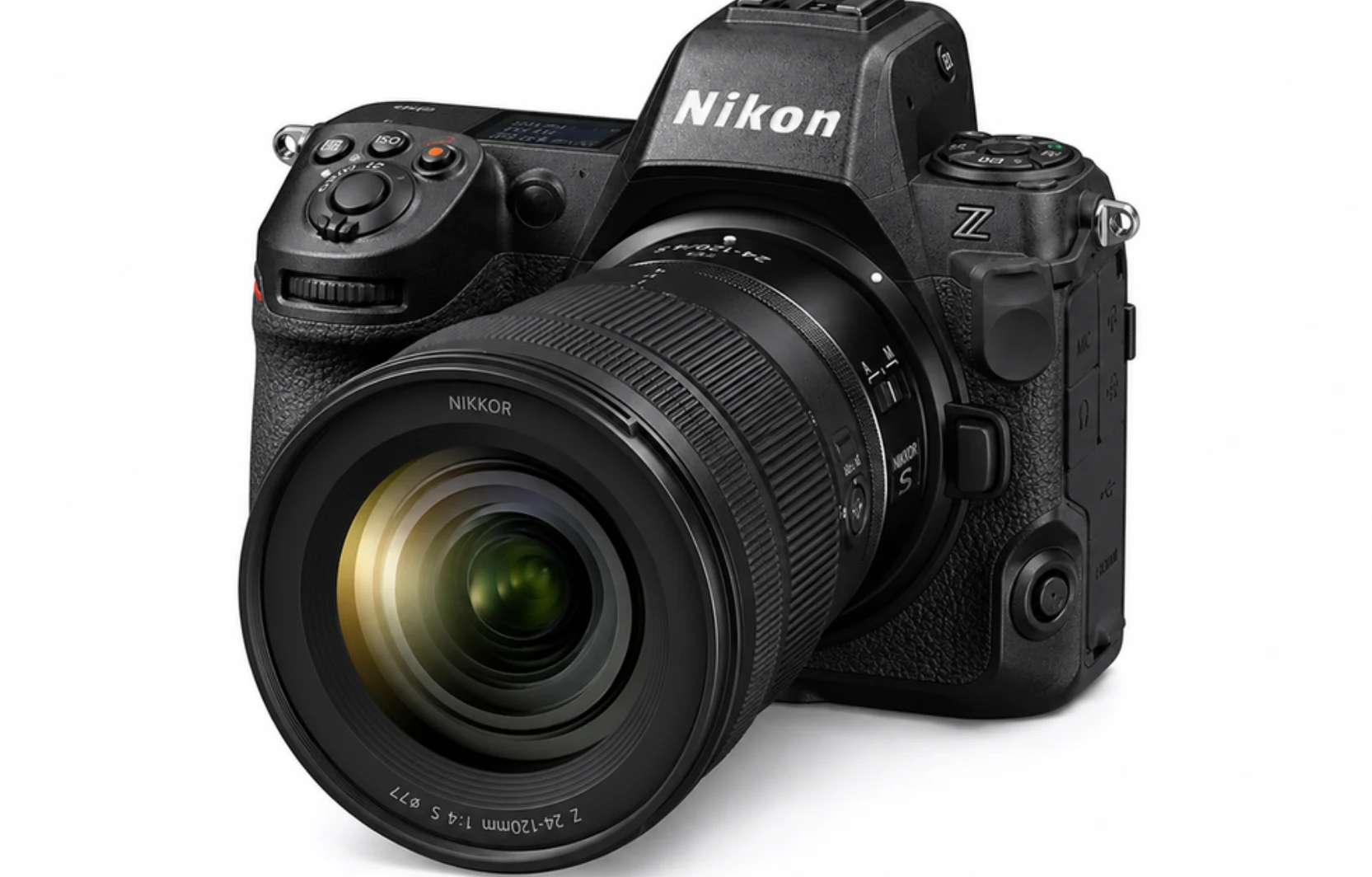
The Nikon Z8 is a powerful camera for fashion photography, combining high resolution, advanced autofocus, and professional hybrid capabilities in a relatively compact body. Its 45.7MP stacked full-frame sensor captures exceptional detail, making it ideal for fashion editorials, commercial campaigns, and large-format publications. The high-resolution sensor preserves fabric textures, accessory details, and makeup artistry with remarkable clarity while providing enough flexibility for cropping without compromising image quality. This makes the Z8 a strong choice for photographers who need both creative freedom and professional-grade output.
One of the camera’s biggest strengths is its AI-powered autofocus system, which accurately tracks eyes, faces, and subject movement even in challenging shooting conditions. This capability helps maintain consistent focus during runway events, editorial sessions, and dynamic fashion shoots. The blackout-free electronic viewfinder provides an uninterrupted view of the scene, improving timing and composition during continuous shooting. Alongside its impressive still-image performance, the Z8 supports 8K video recording and high-speed burst shooting, making it a versatile tool for fashion professionals who produce both still and video content within a single workflow.
Hasselblad X2D 100C
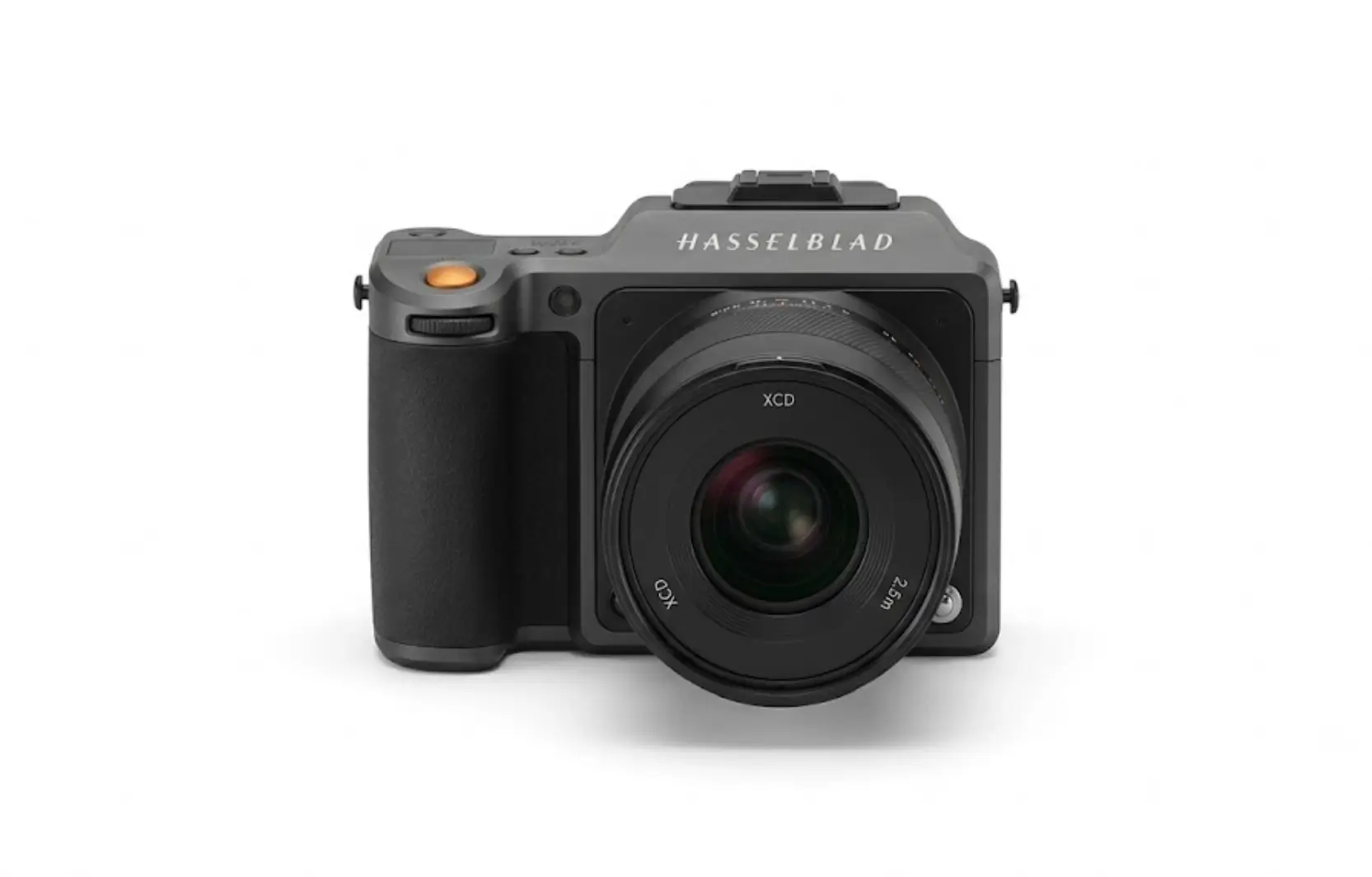
The Hasselblad X2D 100C is one of the most impressive medium-format cameras available for fashion photography, delivering exceptional image quality for luxury editorials, advertising campaigns, and high-end commercial work. Its 100MP back-side illuminated sensor captures extraordinary detail, allowing photographers to showcase intricate fabric textures, jewelry, embroidery, and beauty styling with remarkable precision. This level of resolution provides extensive cropping flexibility while maintaining the clarity required for large-scale print advertisements and premium fashion publications.
A defining strength of the X2D 100C is its image quality and color reproduction. The combination of 16-bit color depth, Hasselblad Natural Color Solution, and up to 15 stops of dynamic range produces lifelike skin tones and accurate fabric colors with smooth tonal transitions. Leaf shutter lenses support flash synchronization at any shutter speed, giving photographers greater control over studio and outdoor lighting setups. The addition of 5-axis in-body image stabilization also improves handheld shooting performance, making the camera more versatile than many traditional medium-format systems. For fashion photographers who prioritize maximum detail, color accuracy, and premium image quality, the Hasselblad X2D 100C remains a benchmark in the industry.
Nikon D850
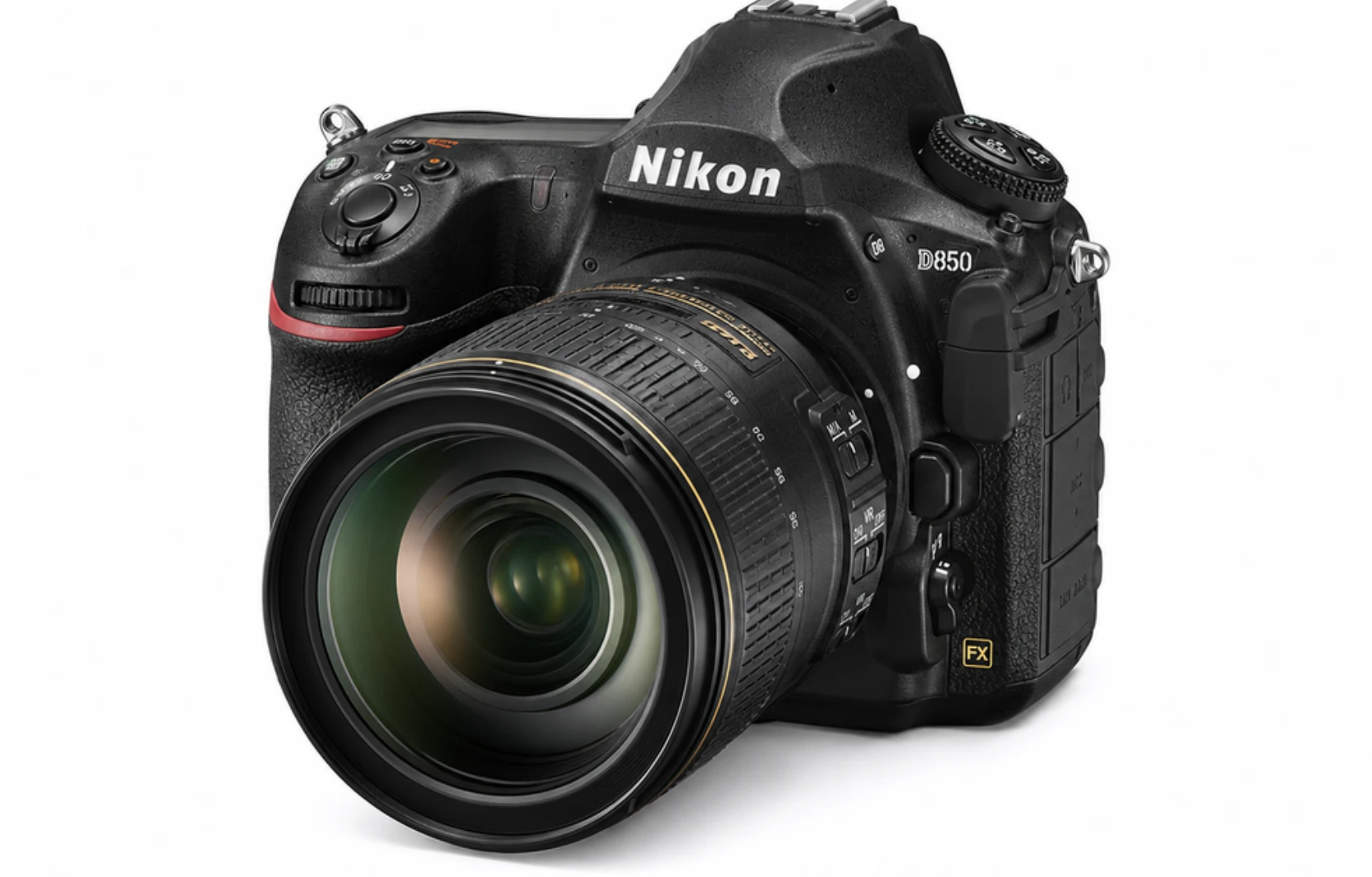
The Nikon D850 remains one of the most respected DSLR cameras for fashion photography, offering exceptional image quality, dynamic range, and professional reliability. Its 45.7MP full-frame sensor, combined with the absence of an optical low-pass filter, captures outstanding detail in garments, accessories, and beauty work. A native ISO 64 further improves color depth and dynamic range, helping photographers preserve subtle highlights, shadows, and fabric textures during studio and commercial shoots. This combination makes the D850 particularly effective for fashion editorials, advertising campaigns, and high-resolution print projects where image quality is a top priority.
Beyond its impressive sensor performance, the D850 delivers accurate color reproduction and natural skin tones, reducing the need for extensive post-production color correction. Its weather-sealed magnesium alloy body provides durability for both studio and on-location assignments, while dependable tethering capabilities support efficient collaboration with creative teams. The camera also benefits from Nikon’s extensive F-mount lens lineup, including popular options such as the 85mm f/1.4G for portraits and the 24-70mm f/2.8E for editorial work. For photographers who prefer a DSLR workflow, the Nikon D850 remains an outstanding choice for professional fashion photography.
Canon 5D Mark IV
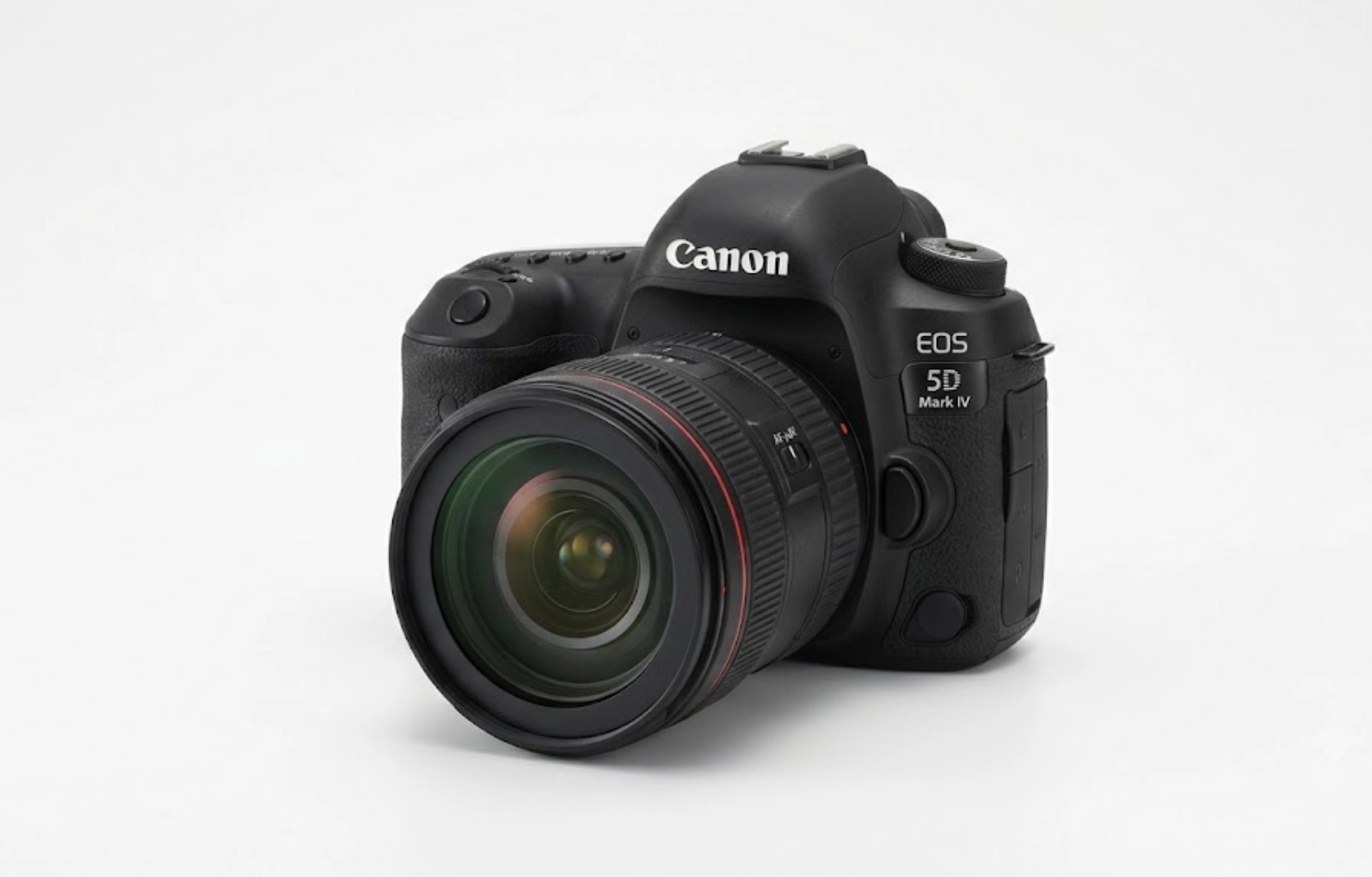
The Canon 5D Mark IV remains a trusted DSLR for fashion photography, known for its dependable performance, excellent color science, and extensive lens compatibility. Its 30.4MP full-frame sensor delivers detailed images with manageable file sizes, making it suitable for fashion editorials, lookbooks, commercial campaigns, and online publications. Canon’s color rendering is particularly valued for producing natural skin tones and accurate fabric colors, helping photographers achieve consistent results with less time spent on color correction. Combined with its weather-sealed construction, the camera performs reliably in both controlled studio environments and demanding outdoor locations.
One of the biggest strengths of the 5D Mark IV is access to Canon’s extensive EF lens ecosystem, which includes industry-favorite portrait and fashion photography lenses. The optical viewfinder provides a lag-free shooting experience that many professionals still prefer for working with models and capturing decisive moments. While the autofocus system remains reliable, it does not offer the advanced subject recognition and AI-driven tracking found in modern mirrorless cameras. Even so, the Canon 5D Mark IV remains a strong option for photographers who prioritize color accuracy, durability, and a proven DSLR workflow for professional fashion photography.
Fujifilm X-T4
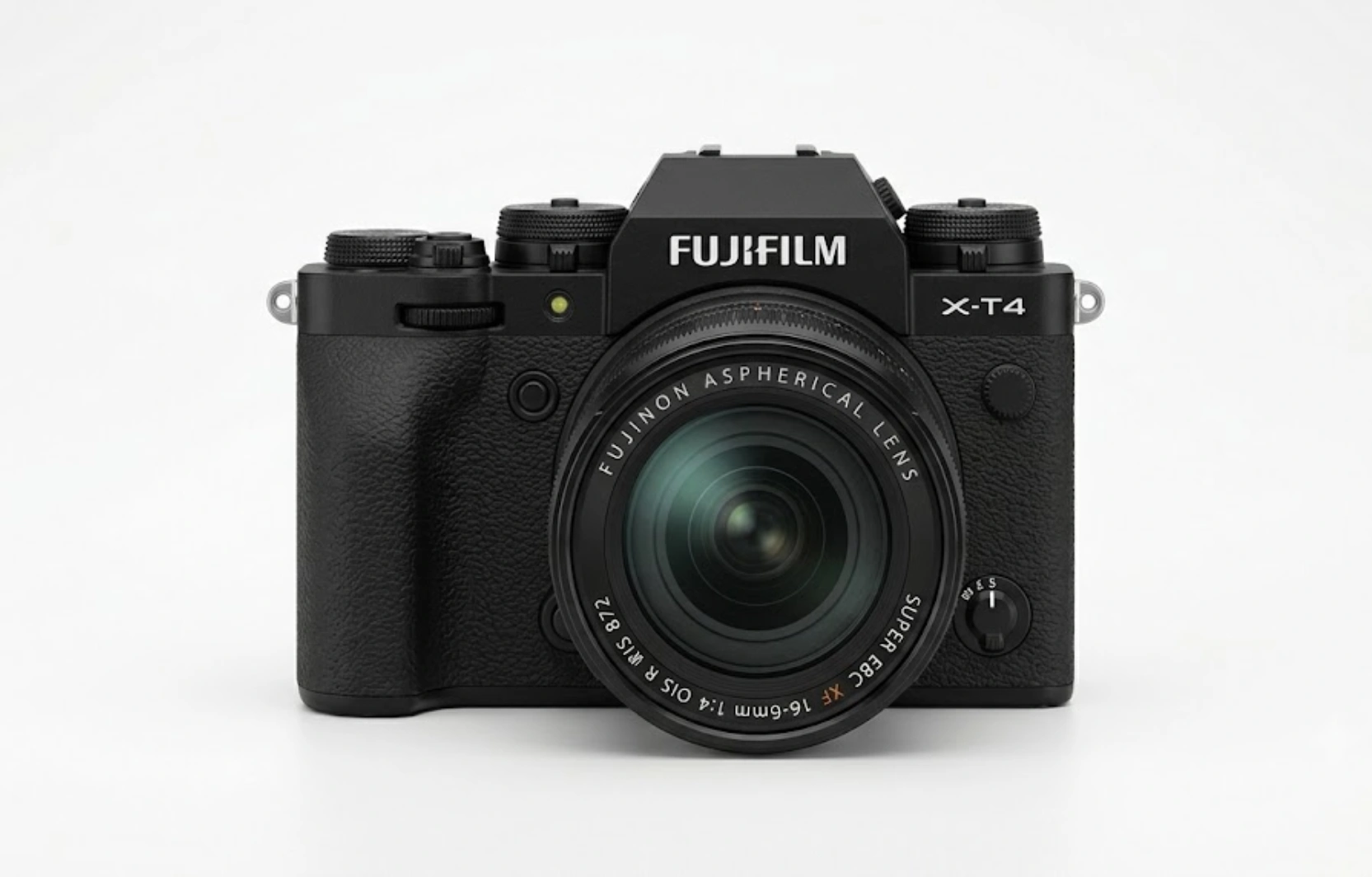
The Fujifilm X-T4 is a versatile camera for fashion photographers who prioritize color accuracy, portability, and hybrid shooting capabilities. Fujifilm’s renowned color science, combined with Film Simulations such as Classic Neg and Astia, produces natural skin tones and rich color reproduction that complement fashion editorials, street style photography, and creative portrait work. Its 26.1MP APS-C sensor delivers sharp images with excellent detail, while the compact design makes it easy to carry during location shoots, fashion events, and travel assignments. This balance of image quality and portability has made the X-T4 a popular choice among photographers who need flexibility without having to carry a larger full-frame system.
The camera’s performance extends beyond still photography with features such as 15 fps continuous shooting, in-body image stabilization, and 10-bit 4K/60p video recording. These capabilities allow photographers and content creators to capture fast-moving subjects while producing professional-quality video for fashion campaigns and social media content. Although the APS-C sensor does not provide the same cropping flexibility or shallow depth of field as full-frame and medium-format alternatives, the X-T4 offers an excellent combination of color rendering, speed, and creative control. For street fashion, editorial projects, and travel-focused shoots, it remains one of the most capable hybrid cameras in its class.
Canon EOS 90D
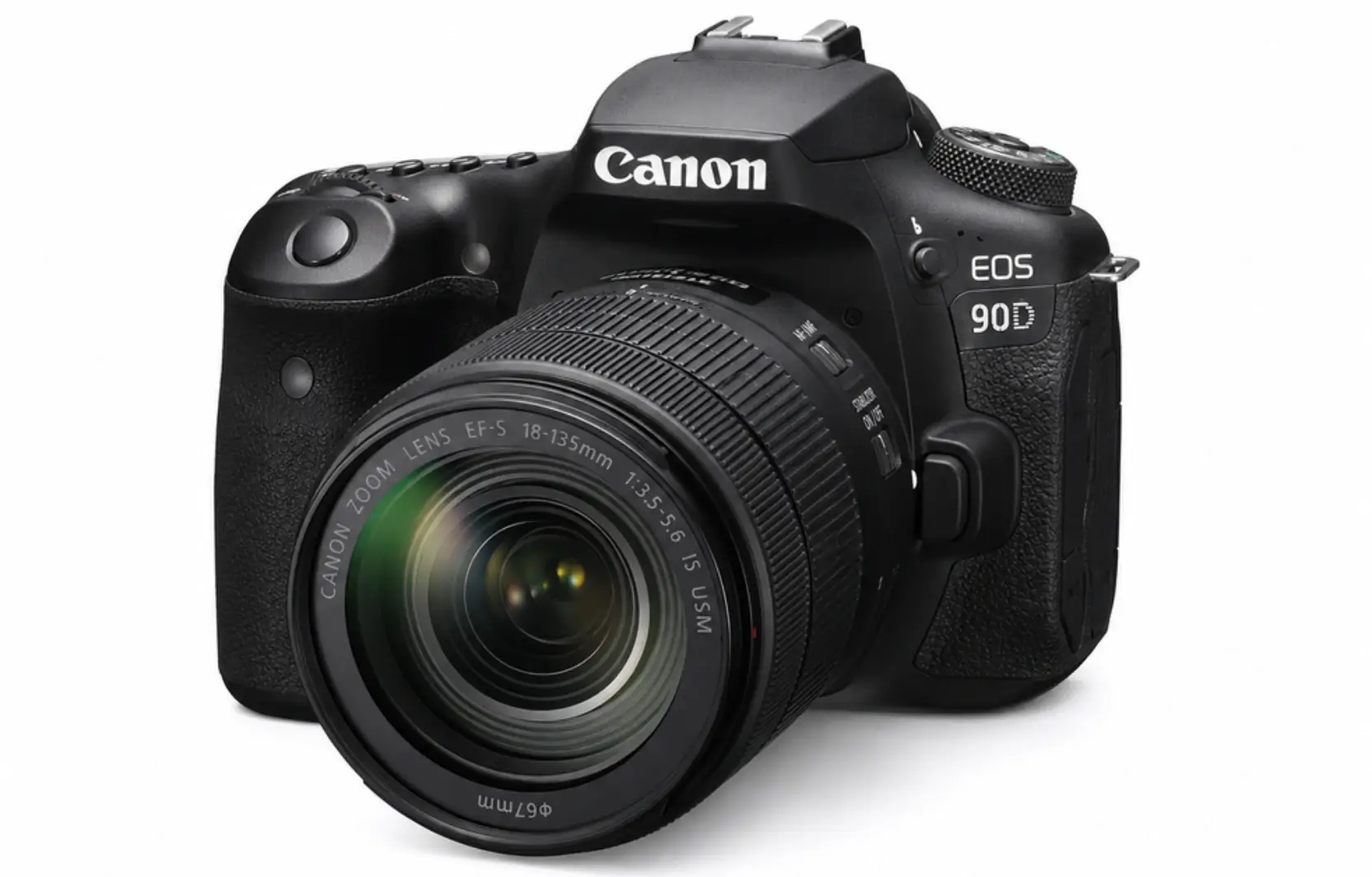
The Canon EOS 90D is a capable DSLR for fashion photography, offering an excellent balance of resolution, usability, and value for photographers entering the industry or looking for a dependable backup camera. Its 32.5MP APS-C sensor captures impressive detail in clothing textures, accessories, and beauty work, providing enough resolution for editorial content, social media campaigns, and portfolio development. Canon’s color science delivers natural skin tones and accurate color reproduction, helping photographers create visually appealing images with minimal post-processing. The camera also features Eye Detection Autofocus, which helps maintain sharp focus on models during runway events, street fashion sessions, and portrait shoots.
A major advantage of the EOS 90D is its compatibility with Canon’s extensive EF and EF-S lens ecosystem, giving photographers access to a wide range of portrait and fashion-focused lenses. The fully articulating touchscreen adds flexibility when shooting from creative angles, making it useful for editorial-style compositions and behind-the-scenes content. While the APS-C sensor cannot match the shallow depth-of-field and low-light performance of full-frame cameras, it still delivers excellent image quality for most fashion photography applications. For beginners, enthusiasts, and professionals seeking a reliable secondary camera, the Canon EOS 90D remains a practical and cost-effective choice.
Canon EOS 80D
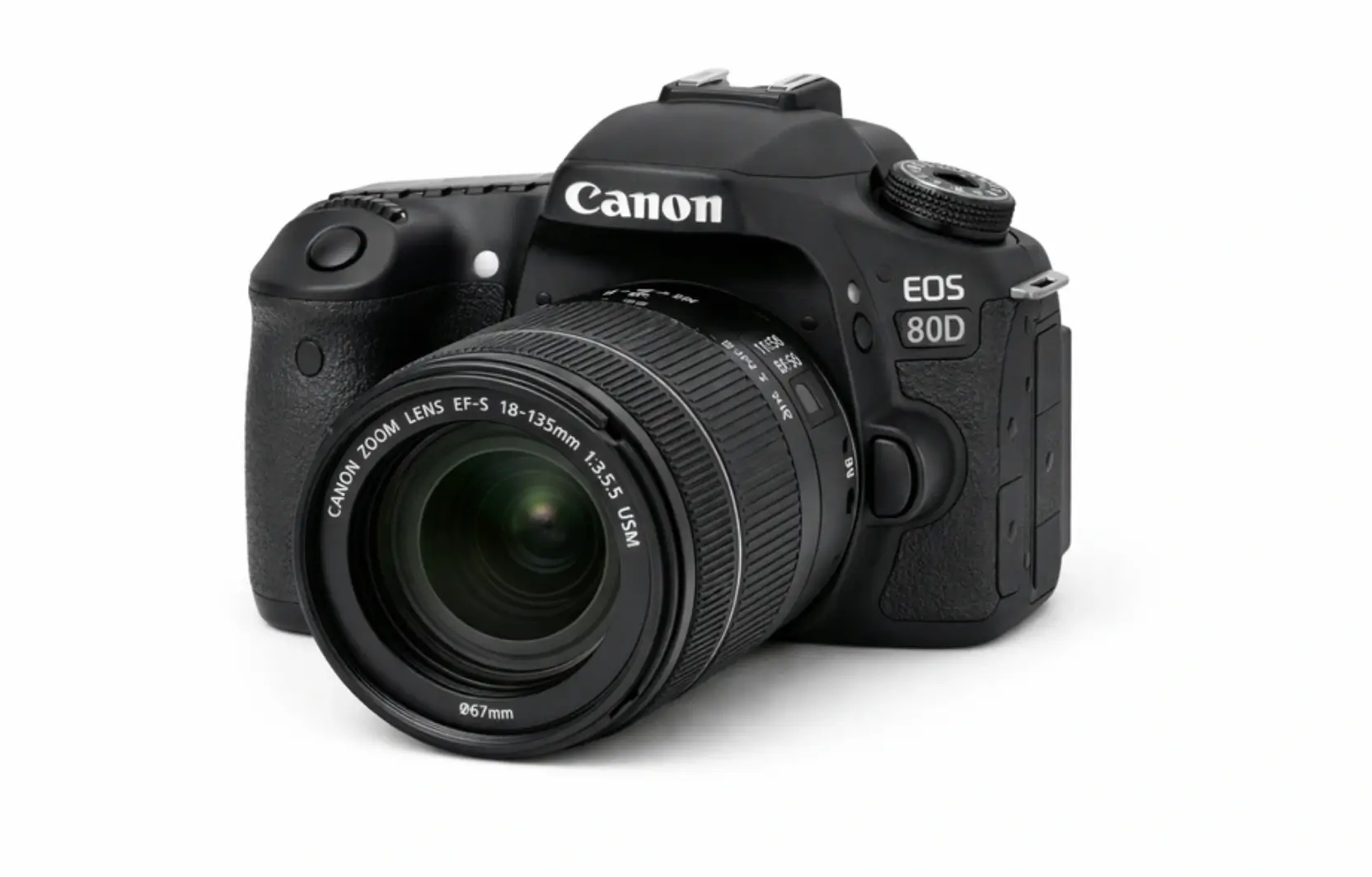
The Canon EOS 80D is a practical entry-level DSLR for aspiring fashion photographers who want reliable image quality without a significant investment. Its 24.2MP APS-C sensor produces detailed images suitable for social media content, online portfolios, lookbooks, and smaller print projects. Canon’s well-regarded color science helps deliver natural skin tones and accurate clothing colors, reducing the amount of correction needed during editing. The camera also supports a broad range of EF lenses, allowing photographers to experiment with different focal lengths and shooting styles as they develop their skills in fashion and portrait photography.
Creative flexibility is what continues to appeal to new photographers about the EOS 80D. The vari-angle touchscreen makes it easier to compose low-angle, overhead, and unconventional fashion shots without compromising comfort during long sessions. Its autofocus system performs consistently for portraits, editorial work, and casual runway photography, helping users capture sharp images with confidence. Although the APS-C sensor cannot produce the same background separation or low-light performance as full-frame models, the camera offers an accessible path into fashion photography. For beginners building technical skills and a professional portfolio, the Canon EOS 80D provides dependable performance, lens versatility, and excellent value for money.
Nikon Z6 II
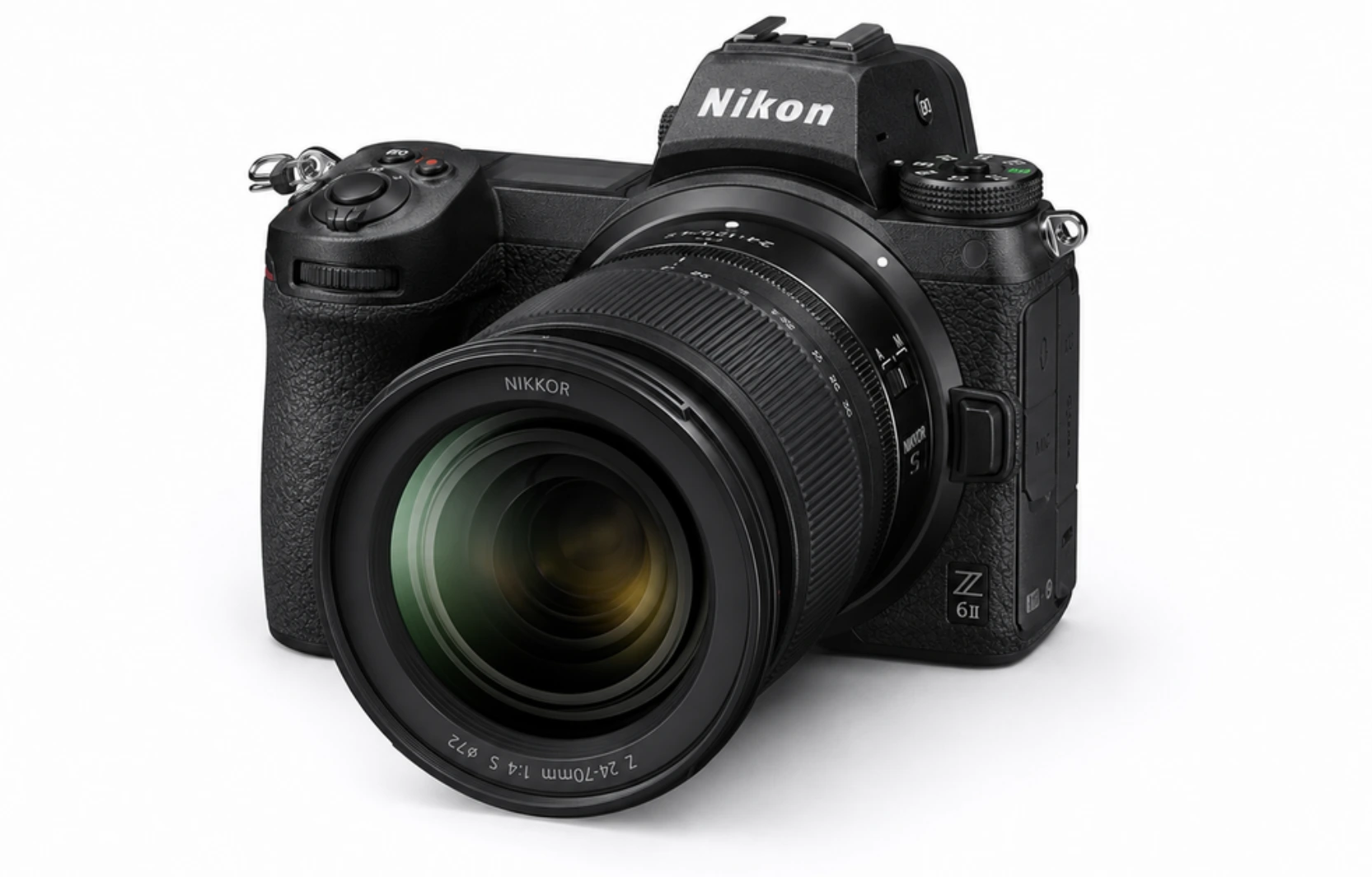
The Nikon Z6 II is a well-rounded full-frame mirrorless camera that offers an excellent balance of image quality, speed, and portability for fashion photography. Its 24.5MP sensor delivers sharp images with impressive dynamic range, allowing photographers to preserve detail in both bright highlights and deep shadows. Nikon’s color rendering produces natural skin tones and accurate fabric colors, making the camera suitable for editorial shoots, lookbooks, e-commerce photography, and social media campaigns. The sensor also performs exceptionally well in low-light conditions, giving photographers greater flexibility when working backstage, at runway events, or in challenging lighting environments.
Built for versatility, the Z6 II combines reliable Eye-Detection autofocus with strong hybrid shooting capabilities. The autofocus system tracks subjects accurately as they move, helping photographers maintain sharp focus throughout fast-paced fashion sessions. Its ability to capture high-quality video alongside professional stills makes it an attractive option for creators producing multimedia fashion content. The compact body design reduces fatigue during long shoots and makes travel easier for photographers working on location. For professionals and enthusiasts seeking a dependable camera that performs consistently across a variety of fashion photography scenarios, the Nikon Z6 II remains a highly practical choice.
Nikon Z6
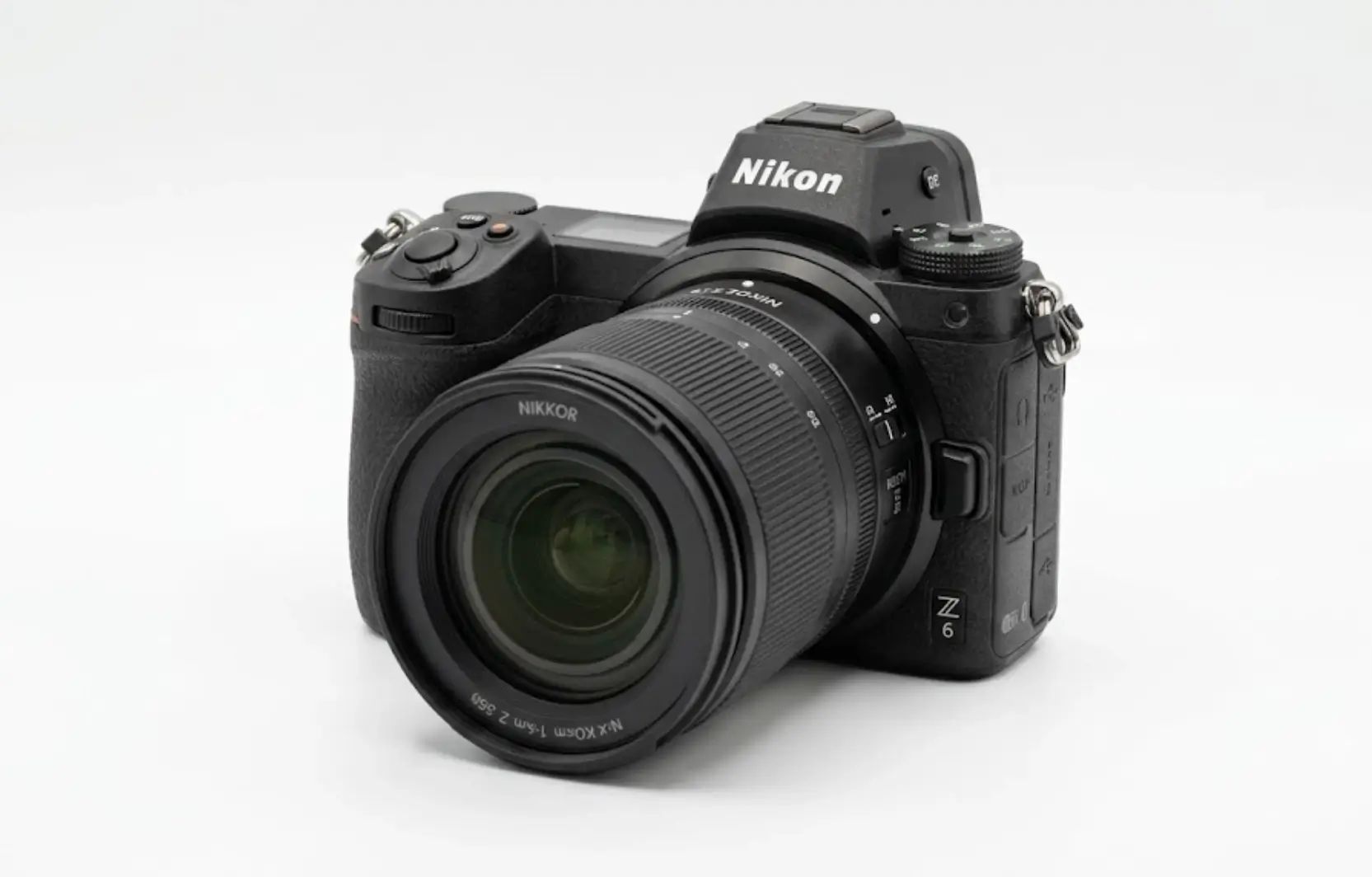
The Nikon Z6 is a capable full-frame mirrorless camera that remains a practical choice for fashion photographers who prioritize image quality, low-light performance, and affordability. Its 24.5MP sensor produces detailed images with excellent dynamic range, allowing photographers to capture accurate skin tones, fabric textures, and subtle color variations across different lighting conditions. The camera performs particularly well in studio portraits, lookbooks, and lifestyle fashion shoots where balanced image quality and dependable performance matter more than extreme resolution. For photographers entering professional fashion photography, the Z6 offers many of the advantages of a full-frame system without the higher cost of newer flagship models.
What makes the Nikon Z6 appealing is its strong low-light capability and lightweight design. The sensor handles higher ISO settings effectively, making it useful for backstage photography, fashion events, and indoor locations where lighting conditions can change quickly. In-body image stabilization further improves handheld shooting performance, helping photographers maintain sharp results without relying heavily on support equipment. Combined with Nikon’s growing Z-mount lens lineup, the camera provides enough flexibility for portraits, editorial projects, and commercial assignments. While its autofocus system is not as advanced as that of the newer Z6 II or Z8, the Nikon Z6 remains a reliable option for photographers seeking professional image quality in a compact, budget-conscious package.
Key Tips for Choosing Your First Fashion Photography Camera
Prioritize color science, evaluate the lens ecosystem, choose reliable autofocus, consider sensor size, invest in prime lenses, match the camera to your shooting environment, and compare options within your budget. These factors have a greater impact on fashion photography than megapixels alone. A camera that delivers accurate skin tones, supports quality lenses, and offers dependable Eye AF will help you capture stronger images. Building a balanced system that aligns with your workflow, creative goals, and budget creates a solid foundation for long-term growth in fashion photography.
Below are the key tips for choosing your first fashion photography camera:
- Prioritize Color Science Over Megapixels
- Check the Camera Lens Ecosystem
- Choose Reliable Autofocus and Eye AF
- Decide Whether You Need a Full-Frame Sensor
- Invest in Prime Lenses Before an Expensive Camera Body
- Match the Camera to Studio or Outdoor Shooting
- Compare Starter Models by Budget
Prioritize Color Science Over Megapixels
Choose a camera that produces accurate skin tones and natural fabric colors before focusing on resolution. Strong color science reduces editing time and helps maintain consistency across fashion campaigns, lookbooks, and editorial projects. Cameras from Canon, Fujifilm, and Hasselblad are often recognized for pleasing color reproduction. For most fashion photographers, a well-balanced 24MP to 45MP sensor combined with excellent color rendering delivers more practical value than an extremely high-resolution camera.
Check the Camera Lens Ecosystem
Evaluate the available lens selection before investing in a camera system. Fashion photography relies heavily on lenses such as 35mm, 50mm, and 85mm primes, which provide flattering perspectives and attractive background separation. A strong lens ecosystem gives you room to grow into different photography styles without changing camera systems. Sony E-mount, Canon RF, Nikon Z, and Fujifilm X systems all offer diverse lens options that support portrait, editorial, and commercial fashion work.
Choose Reliable Autofocus and Eye AF
Prioritize cameras with advanced autofocus and Eye AF technology if you photograph moving models or runway events. Reliable subject tracking helps maintain sharp focus on the eyes, which are often the focal point of fashion portraits. Modern mirrorless cameras can continuously track faces and body movements throughout a shoot. Consistent autofocus performance reduces missed frames, improves workflow efficiency, and allows photographers to concentrate more on composition, styling, and creative direction.
Decide Whether You Need a Full-Frame Sensor
Select a sensor size based on your photography goals and budget. Full-frame cameras offer stronger low-light performance, greater dynamic range, and more background blur, making them a popular choice for professional fashion photography. APS-C cameras provide excellent image quality at a lower cost and are suitable for beginners building a portfolio. Medium-format systems deliver exceptional detail and color depth but are typically reserved for luxury campaigns and commercial productions.
Invest in Prime Lenses Before an Expensive Camera Body
Allocate more of your budget to quality lenses rather than the most expensive camera body. Prime lenses often produce sharper images, smoother background blur, and better low-light performance than standard kit lenses. An 85mm lens works exceptionally well for fashion portraits, while a 50mm lens offers versatility for editorial and full-body compositions. Quality lenses remain valuable for years and often contribute more to image quality than incremental camera upgrades.
Match the Camera to Studio or Outdoor Shooting
Choose camera features that align with your primary shooting environment. Studio photographers often benefit from high-resolution sensors, dependable tethering, and superior color depth for commercial projects. Outdoor fashion photographers typically need weather sealing, fast autofocus, and strong battery performance to handle changing conditions. Understanding where you shoot most frequently helps narrow your options and prevent you from spending money on features that may not significantly improve your workflow.
Compare Starter Models by Budget
Set a realistic budget and compare complete systems rather than camera bodies alone. Entry-level photographers should consider the cost of lenses, lighting equipment, memory cards, and accessories before making a purchase. A used full-frame DSLR paired with a quality prime lens can often outperform a newer entry-level camera with a basic kit lens. Prioritizing balanced equipment choices helps create professional-looking fashion images while keeping initial investment costs manageable.
Do Fashion Photographers Really Need Expensive Cameras?
No, fashion photographers do not need expensive cameras to create professional-quality images. Strong lighting, quality lenses, styling, and photography skills often have a greater impact on the final result than a premium camera body. Many successful photographers produce editorial-worthy content using mid-range mirrorless cameras paired with sharp prime lenses. For brands and creators looking to reduce production costs, an AI fashion design generator can also help create realistic fashion concepts, digital models, and campaign visuals without requiring extensive equipment or studio resources, making high-quality fashion content more accessible and scalable.
