The 16–35mm wide-angle zoom, 24–70mm zoom, 35mm prime, 50mm prime, 70–200mm zoom, 85mm prime, 100mm/105mm macro, and 135mm telephoto prime are among the best lenses for fashion photography because they cover a wide range of creative and technical needs. Wide-angle options such as the 16–35mm and 35mm lenses are ideal for street fashion, editorial shoots, and environmental portraits where the location contributes to the visual story. The versatile 24–70mm and 50mm lenses provide natural-looking images and flexible framing for studio, commercial, and lifestyle fashion photography.
For photographers seeking stronger subject isolation and flattering portraits, the 85mm, 70–200mm, and 135mm lenses offer excellent compression and smooth background blur. Meanwhile, the 100mm or 105mm macro lens excels at capturing intricate details such as fabrics, stitching, jewellery, and accessories. The best lens ultimately depends on your photography style, shooting environment, camera system, aperture requirements, and budget, making lens selection an important part of achieving professional fashion photography results.
The 8 best lenses for fashion photography are:
- 16-35mm wide-angle zoom lens
- 24-70mm zoom lens
- 35mm prime lens
- 50mm prime lens
- 70-200mm zoom lens
- 85mm prime lens
- 100mm or 105mm macro lens
- 135mm telephoto prime lens
16-35mm wide-angle zoom lens
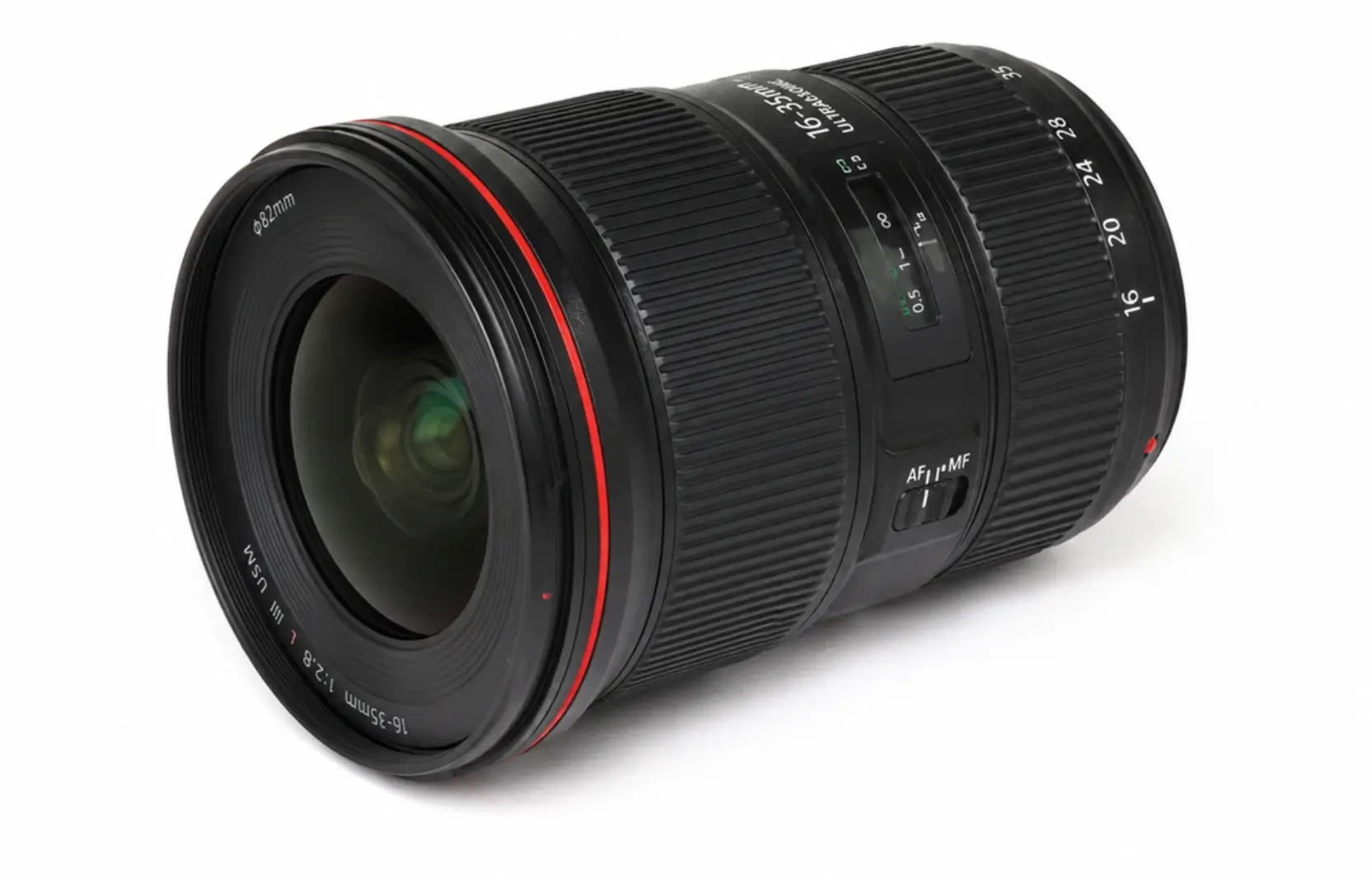
The 16–35mm wide-angle zoom lens is a versatile option in fashion photography, known for capturing both the subject and environment in a single frame. Spanning from ultra-wide 16mm to 35mm, it produces dramatic perspectives, wide compositions, and strong environmental portraits. It is especially useful when the location is important to the story, making it ideal for street fashion, editorial shoots, group images, and full-body work. It also performs well in tight spaces, offering flexibility when movement is limited while still maintaining creative framing control.
Advantages of a 16-35mm wide-angle zoom lens are:
- The wide field of view captures both the model and the environment effectively.
- Enhances depth, scale, and visual storytelling.
- Flexible zoom range reduces the need for frequent lens changes.
- Ideal for editorial, street fashion, and location-based fashion shoots.
- Performs well in confined spaces and urban settings.
Limitations of a 16-35mm wide-angle zoom lens are:
- Perspective distortion can occur at wider focal lengths.
- Subjects positioned near the frame edges may appear stretched or exaggerated.
- Less flattering for close-up portraits compared to longer focal lengths.
- Requires careful composition to avoid unwanted background distractions.
24-70mm zoom lens
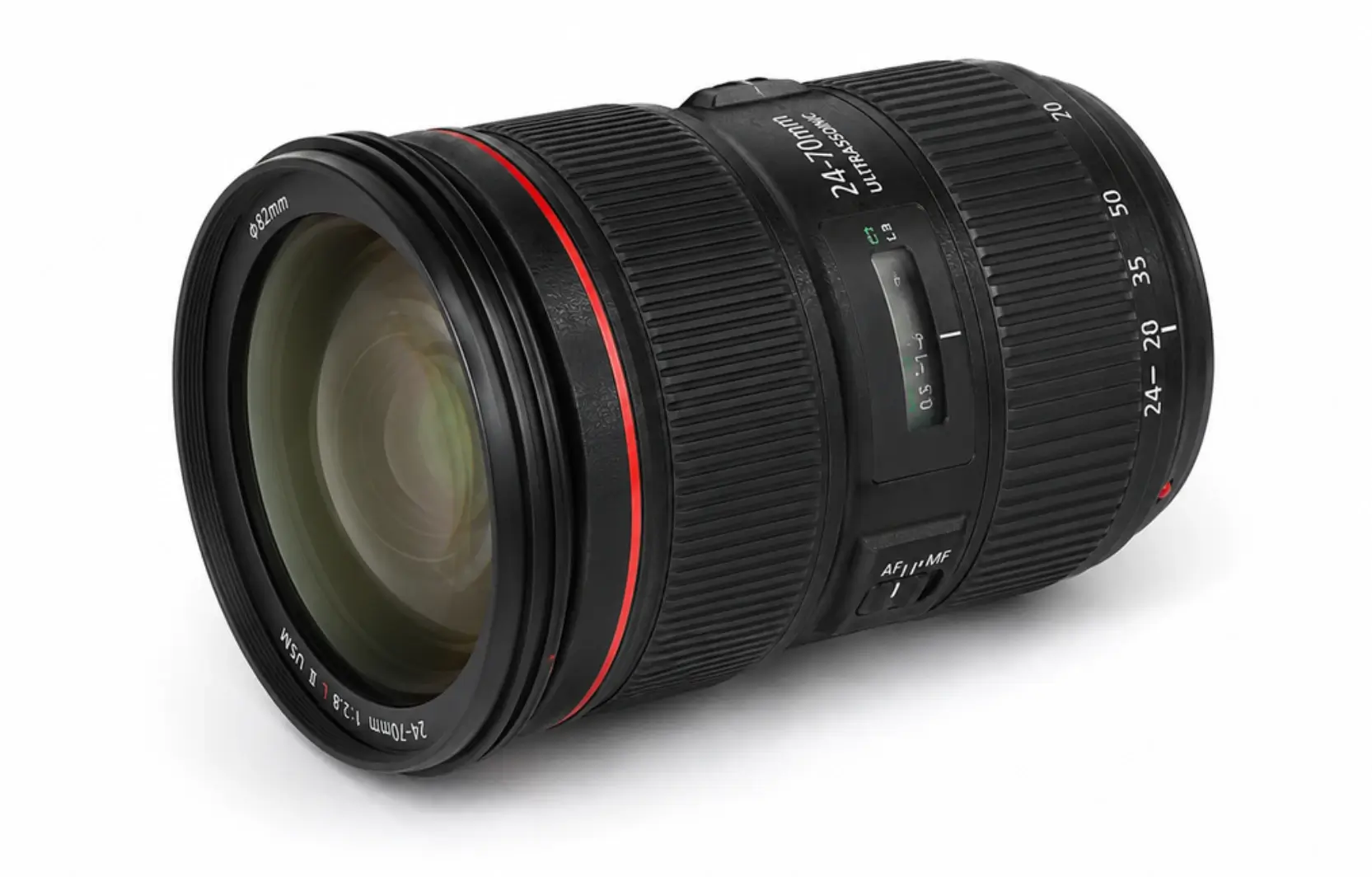
The 24–70mm zoom lens is one of the most versatile tools in fashion photography, covering both wide-angle and short telephoto ranges. It allows full-body shots and environmental portraits at 24mm, as well as tighter portraits and detail-focused compositions at 70mm without changing lenses. This makes it ideal for editorial, street fashion, runway, and studio work where fast framing adjustments are needed. Known for consistent sharpness and reliable image quality across its zoom range, it supports flexible shooting while maintaining professional results in various fashion scenarios.
Advantages of a 24–70mm zoom lens are:
- Covers a versatile focal range suitable for multiple fashion photography styles.
- Allows quick changes between wide, mid-range, and portrait compositions.
- Delivers excellent image quality and sharpness across the zoom range.
- Reduces the need for frequent lens changes during shoots.
- Suitable for studio, editorial, street fashion, and event photography.
- Provides a balance between environmental context and subject-focused images.
Limitations of a 24–70mm zoom lens are:
- Typically heavier and bulkier than prime lenses.
- Usually has a smaller maximum aperture than some portrait-focused primes.
- May not produce a background blur as strong as lenses such as the 85mm f/1.4.
- Higher-quality professional versions can be expensive.
35mm prime lens
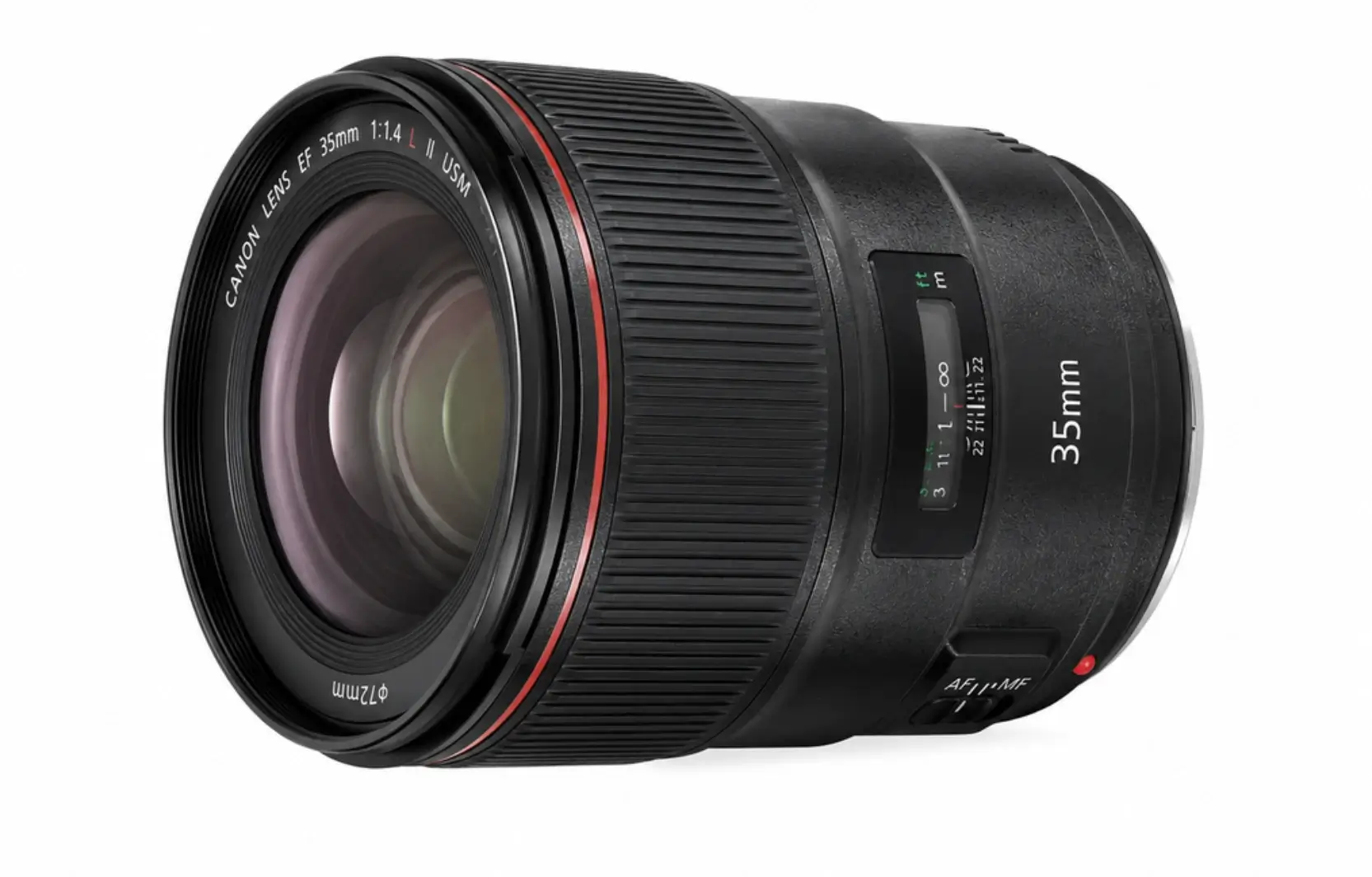
The 35mm prime lens is widely used in fashion photography for its natural perspective and ability to include both the model and environment in a balanced frame. It is ideal for environmental portraits, street fashion, editorial work, and lifestyle shoots where the setting supports the story. The lens maintains realistic proportions with minimal distortion, keeping subjects looking natural. Many 35mm primes also feature wide apertures, enabling low-light shooting and smooth background blur while still preserving enough environmental detail to enhance the overall composition effectively.
Advantages of a 35mm prime lens are:
- Provides a natural and realistic perspective.
- Captures both the subject and the surrounding environment effectively.
- Excellent for street fashion, editorial, and lifestyle photography.
- Fast apertures offer strong low-light performance.
- Produces sharp images with minimal distortion.
- Lightweight and compact compared to many zoom lenses.
Limitations of a 35mm prime lens are:
- Offers less background compression than longer focal lengths.
- Backgrounds may appear busier and less blurred than with portrait lenses.
- A fixed focal length requires the photographer to move to reframing.
- May not be the best choice for tightly framed headshots or beauty portraits.
50mm prime lens
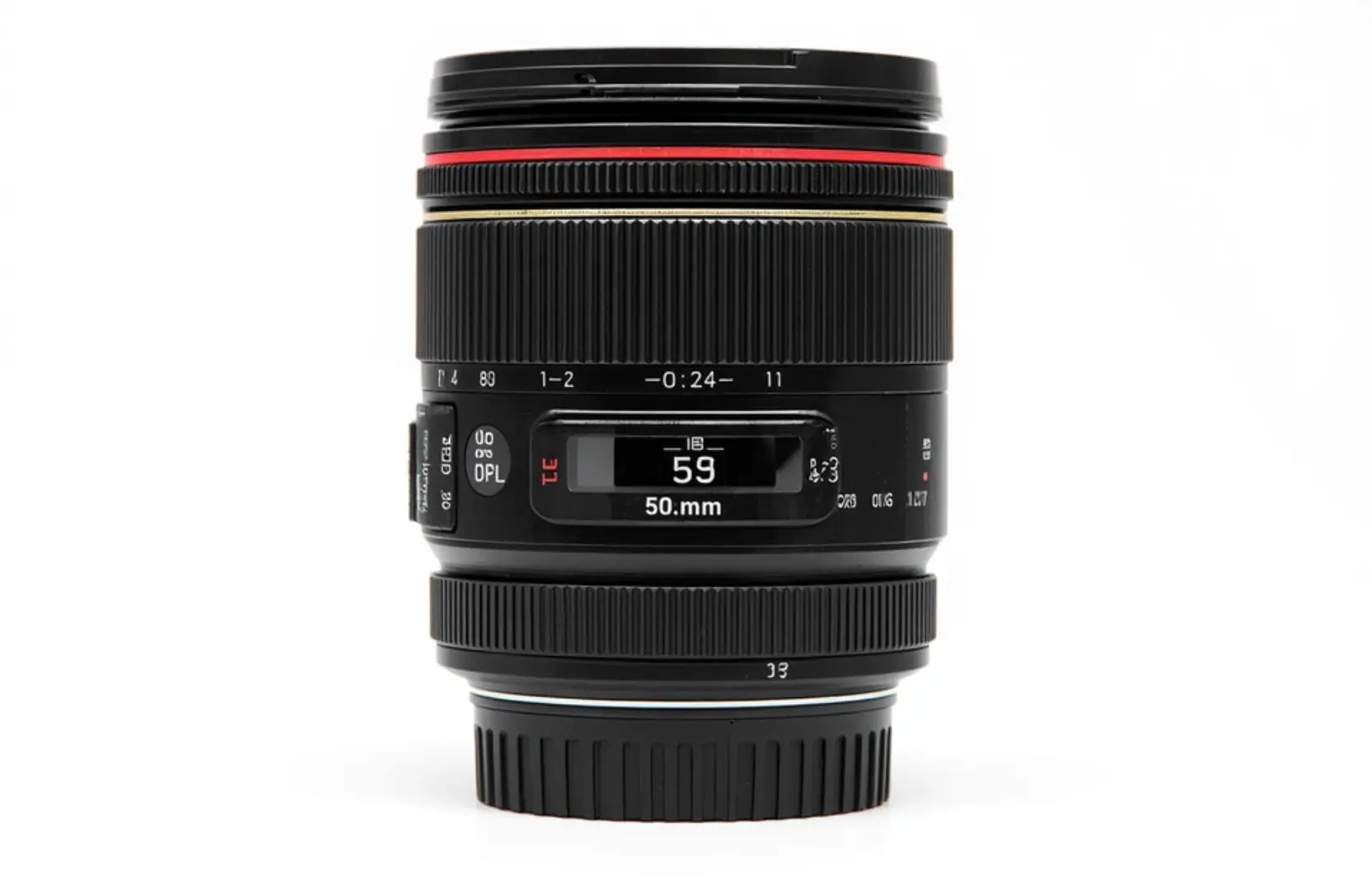
The 50mm prime lens is one of the most popular choices in fashion photography, valued for its natural perspective, sharp image quality, and overall versatility. Often called the “nifty fifty,” it offers a field of view close to human vision, making images appear realistic and well-balanced. It is widely used for portraits, full-body fashion shots, editorial work, and studio photography, where maintaining natural proportions and highlighting the model and clothing are important. Its wide aperture also allows strong subject separation and smooth background blur, helping fashion elements stand out clearly.
Advantages of a 50mm prime lens are:
- Provides a natural and balanced perspective.
- Produces sharp images with excellent detail and clarity.
- Creates pleasing background blur for strong subject separation.
- Performs well in low-light conditions with fast apertures.
- Suitable for portraits, editorial, studio, and street fashion photography.
- Lightweight and compact compared to many zoom lenses.
Limitations of a 50mm prime lens are:
- Fixed focal length limits framing flexibility.
- Offers less reach than telephoto lenses for distant subjects.
- Requires photographers to move physically to adjust the composition.
- May not capture as much environmental context as wider lenses.
- Less versatile than zoom lenses when shooting in fast-paced situations.
70-200mm zoom lens
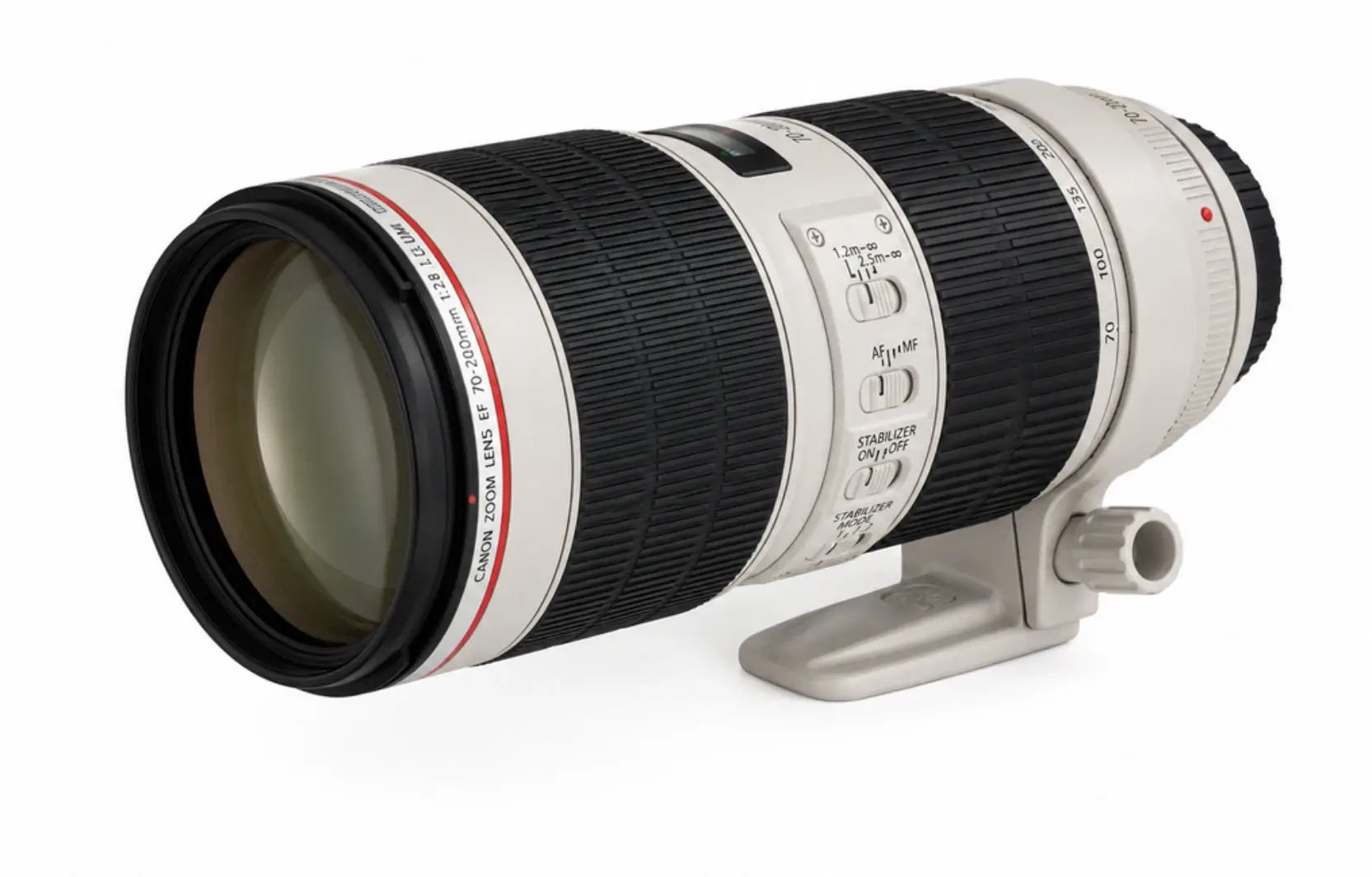
The 70–200mm zoom lens is highly regarded in fashion photography for flexible framing, strong subject isolation, and flattering compression. Covering short to medium telephoto ranges, it allows full-body shots at 70mm and tight portraits or details at 200mm without changing lenses. It is widely used in studio work, runway shows, editorial campaigns, and outdoor shoots where distance is useful. The lens also produces smooth background blur and compresses scenes, helping subjects stand out while minimizing background distractions effectively in images.
Advantages of a 70-200mm zoom lens are:
- Provides flexible framing for both portraits and full-body fashion shots.
- Creates strong subject isolation with attractive background blur.
- Produces flattering compression that enhances model proportions.
- Allows photographers to shoot from a distance without disturbing the subject.
- Ideal for runway, editorial, studio, and outdoor fashion photography.
- Delivers excellent image quality and sharpness throughout the zoom range.
Limitations of a 70-200mm zoom lens are:
- Larger and heavier than many other fashion photography lenses.
- Can be tiring to use a handheld during extended shooting sessions.
- Requires more working distance, which may be challenging in small studios.
- Typically, more expensive than standard zoom and prime lenses.
- Less effective at capturing environmental context than wider focal lengths.
85mm prime lens
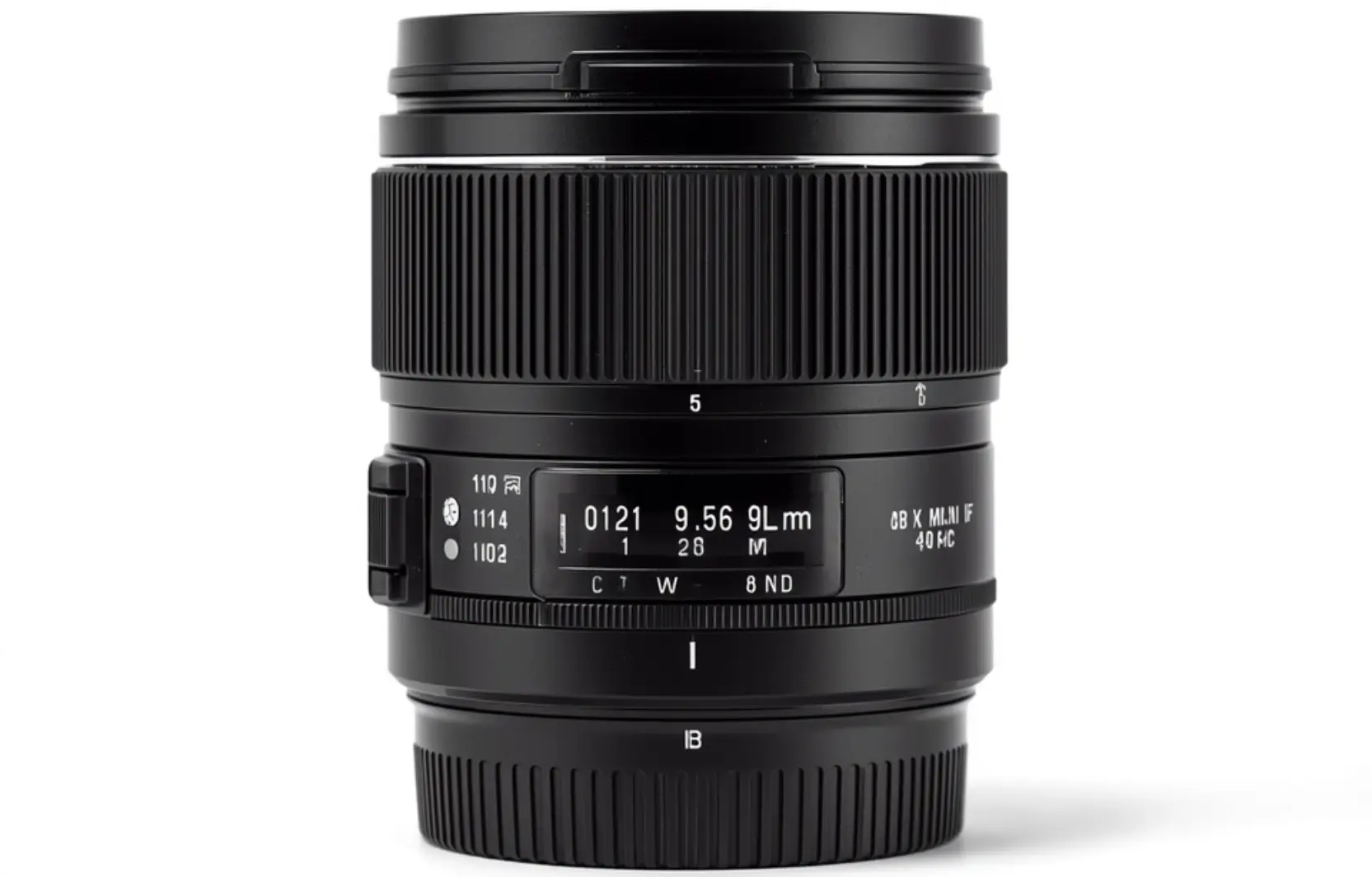
The 85mm prime lens is a favorite among fashion photographers for its ability to create flattering portraits and professional editorial images. Its short telephoto focal length produces natural-looking compression that enhances facial features and body proportions while maintaining excellent subject detail. This makes it ideal for fashion portraits, beauty photography, editorial shoots, and detailed outfit showcases. The lens is also known for its ability to create smooth background blur, helping models and clothing stand out from the surroundings and giving images a polished, high-end fashion look.
Advantages of an 85mm prime lens are:
- Produces flattering facial and body proportions.
- Creates strong subject isolation with beautiful background blur.
- Delivers exceptional sharpness and image quality.
- Ideal for fashion portraits, beauty photography, and editorial shoots.
- Highlights clothing details and accessories effectively.
- Performs well in low-light conditions with wide apertures.
Limitations of an 85mm prime lens are:
- Requires more shooting distance than wider lenses.
- Less practical in small studios or confined spaces.
- Fixed focal length limits framing flexibility.
- Captures less environmental context than wider focal lengths.
- May require photographers to move frequently to adjust composition.
100mm or 105mm macro lens
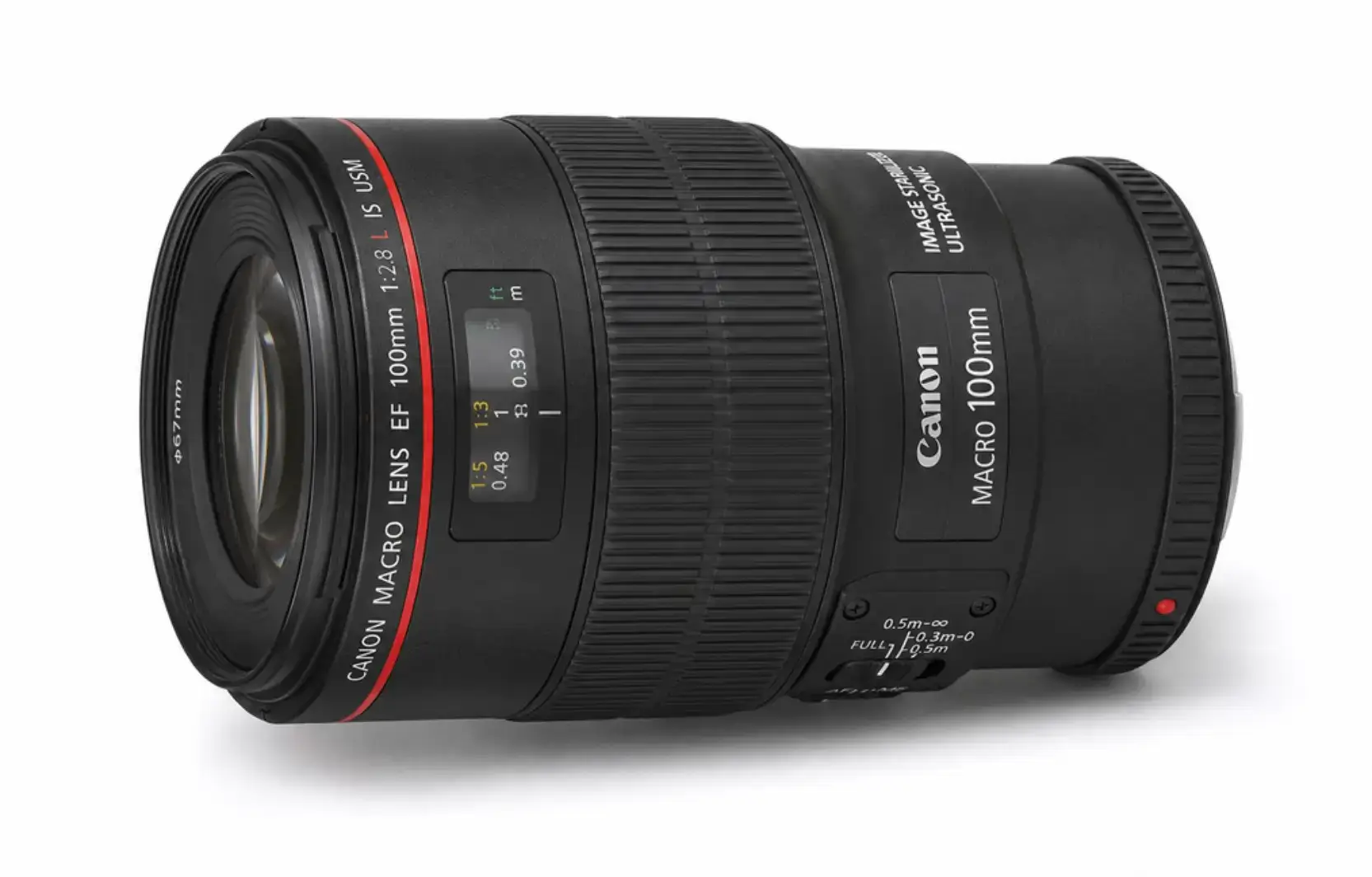
The 100mm or 105mm macro lens is a specialized prime lens designed for capturing close-up images with exceptional sharpness and detail. In fashion photography, it is commonly used to highlight fabric textures, jewelry, embellishments, stitching, and other intricate garment details that may not be visible with standard lenses. Its macro capabilities allow photographers to achieve high magnification while maintaining outstanding image quality. The longer focal length also helps create pleasing background blur, making it easier to isolate small subjects and emphasize craftsmanship, accessories, and fine design elements.
Advantages of a 100mm or 105mm macro lens are:
- Captures extremely fine details with exceptional sharpness.
- Ideal for photographing fabrics, jewelry, and garment embellishments.
- Provides true macro magnification for close-up photography.
- Creates strong subject isolation and attractive background blur.
- Delivers excellent image quality and color reproduction.
- Useful for both product and fashion detail photography.
Limitations of a 100mm or 105mm macro lens are:
- Slower autofocus compared to many portrait-focused lenses.
- Less versatile for full-body fashion photography.
- Requires more working distance than standard lenses.
- Fixed focal length limits framing flexibility.
- Not suitable for wide-angle or environmental fashion shots.
135mm telephoto prime lens
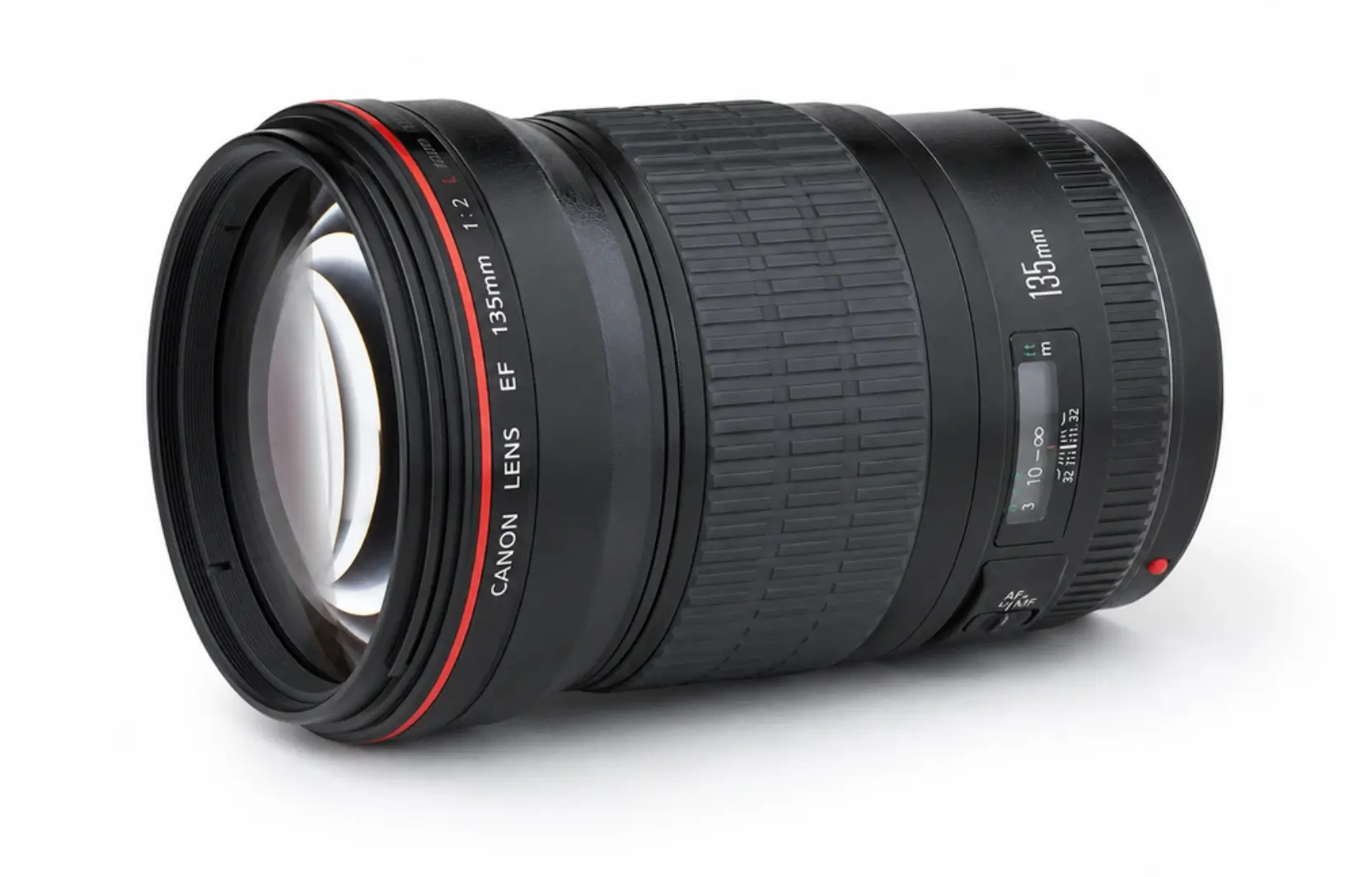
The 135mm telephoto prime lens is a popular choice in fashion photography for its ability to produce flattering portraits, strong subject isolation, and beautiful background compression. Its long focal length allows photographers to shoot from a distance while preserving natural facial proportions and body structure. This makes it especially effective for editorial fashion, runway coverage, outdoor portraits, and high-end fashion campaigns. The lens also delivers a shallow depth of field with smooth background blur, helping the model and clothing stand out clearly while reducing distractions and creating a clean, professional visual
Advantages of a 135mm telephoto prime lens are:
- Creates strong subject isolation with beautiful background blur.
- Produces flattering compression for portraits and fashion images.
- Maintains natural-looking facial features and body proportions.
- Ideal for editorial, runway, and outdoor fashion photography.
- Delivers exceptional sharpness and image quality.
- Helps minimize background distractions for a clean composition.
Limitations of a 135mm telephoto prime lens are:
- Requires a significant working distance from the subject.
- Less practical in small studios or crowded locations.
- Fixed focal length limits framing flexibility.
- Heavier than some standard prime lenses.
- Captures less environmental context than wider focal lengths.
Key Tips for Choosing Your First Fashion Photography Lens
Choose a lens that matches your photography style, shooting environment, camera sensor, budget, aperture needs, and camera mount compatibility. The best fashion photography lens depends on how and where you shoot rather than on price alone. By understanding your creative goals, preferred focal length, camera system, and budget, you can confidently select a lens that supports both your current needs and future growth as a fashion photographer.
7 essential tips for selecting your first fashion photography lens are:
- Define Your Fashion Photography Style
- Choose a focal length that fits your environment
- Check your camera sensor size
- Decide between prime and zoom
- Pay Attention to Aperture
- Confirm Lens Mount Compatibility
- Set a budget
Define Your Fashion Photography Style
Start by identifying the type of fashion photography you want to pursue, such as street, editorial, runway, beauty, or studio work. Different styles benefit from different focal lengths and lens features. For example, street fashion often favors wider lenses that capture environmental context, while editorial and beauty photography typically rely on longer focal lengths for flattering portraits and stronger background blur. Choosing a lens that aligns with your style helps achieve the visual results you want.
Choose a focal length that fits your environment
Select a focal length based on your typical shooting location and composition needs. Wider lenses such as 35mm or 50mm work well in tight spaces and street fashion settings where environmental context matters. Longer focal lengths, including 85mm or 135mm lenses, are better suited for studios and portrait-focused shoots where subject isolation is a priority. Matching focal length to your environment improves composition, perspective, and overall image quality.
Check your camera sensor size
Always consider your camera’s sensor size before choosing a lens. A lens behaves differently on full-frame and crop-sensor cameras because the field of view changes. For example, a 50mm lens on an APS-C camera provides a tighter composition than it does on a full-frame body. Understanding sensor size helps ensure your chosen lens delivers the framing, perspective, and composition you expect for fashion photography.
Decide between prime and zoom
Choose a prime lens if image quality, wide apertures, and background blur are your priorities. Prime lenses often deliver sharper images and stronger subject separation but require you to move physically to change composition. Choose a zoom lens if flexibility is more important, especially in fast-paced shoots. Zoom lenses allow quick framing adjustments without changing lenses, making them ideal for editorial, runway, and commercial fashion photography.
Pay Attention to Aperture
Look for a lens with an aperture that supports your shooting style and lighting conditions. Wide apertures such as f/1.8, f/2, or f/2.8 allow more light into the camera and create a shallow depth of field. This helps separate the model from the background and draw attention to clothing details. A wider aperture is especially useful for portraits, editorial work, and low-light fashion photography.
Confirm Lens Mount Compatibility
Before purchasing a lens, verify that its mount is compatible with your camera system. Manufacturers use different mount types, including Canon EF, Nikon F, and Sony E. Using an incompatible lens may require an adapter, which can affect autofocus performance and overall usability. Checking compatibility beforehand ensures the lens functions properly and avoids unnecessary costs or technical issues during shoots.
Set a budget
Establish a realistic budget based on your experience level and photography goals. Expensive lenses are not always necessary to produce professional fashion images. Affordable options such as 50mm f/1.8 and 85mm f/1.8 prime lenses offer excellent image quality, sharpness, and background blur at a lower cost. Focus on finding a lens that balances performance, versatility, and value rather than choosing the most expensive option available.
Do Fashion Photographers Really Need Expensive Lenses?
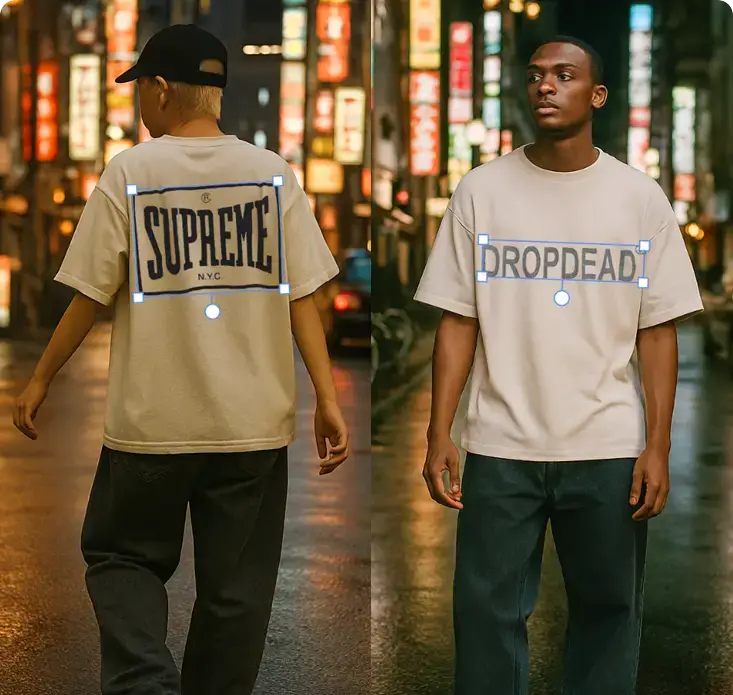
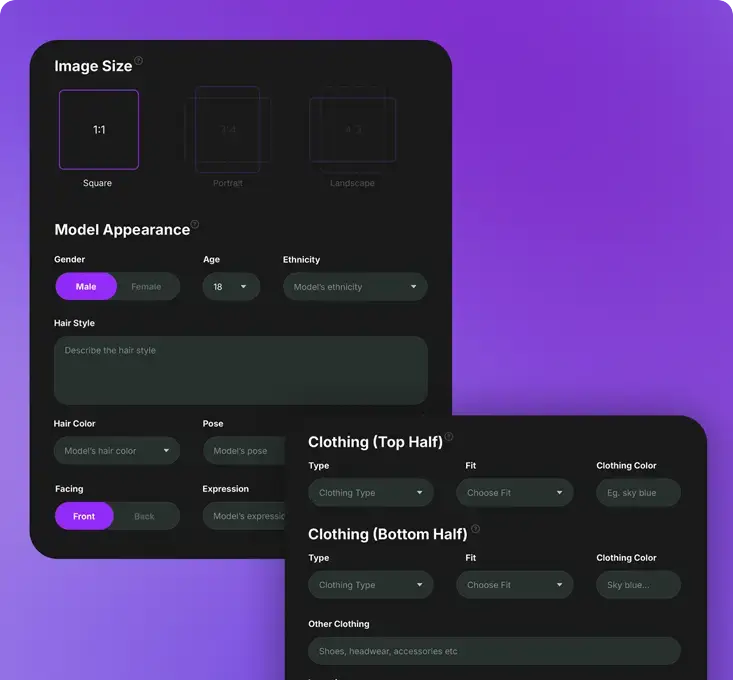
No, not every fashion project requires an expensive lens setup. High-end lenses are essential for professional photography shoots where image quality, autofocus performance, and subject rendering matter most. However, for design concept development, you can use an AI clothing and fashion design generator to visualize garments, create fashion mockups, and explore creative ideas without organizing a photoshoot or investing in costly camera equipment. AI fashion design generator.