



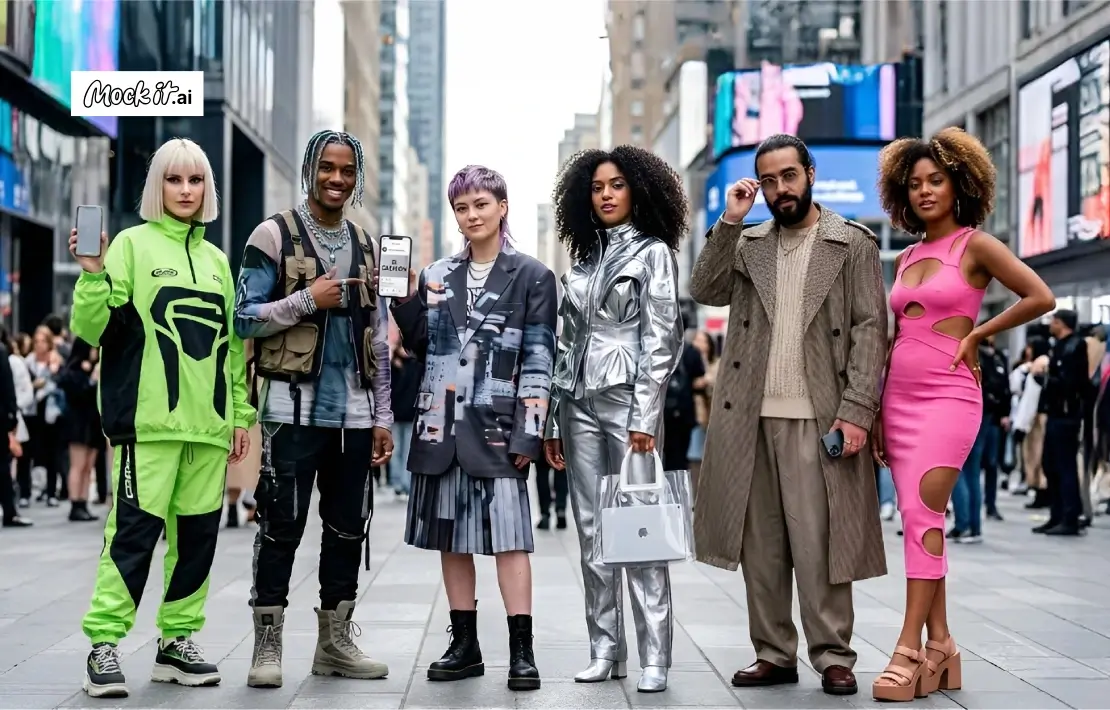
AI influencers in fashion and apparel are virtual or AI-generated personas that create, model, and promote clothing styles using machine learning and digital design technologies, influencing consumer trends and brand engagement. In fashion and apparel, popular AI influencers such as Lil Miquela, Shudu Gram, Imma, Noonoouri, Aitana Lopez, Bermuda, Zuri, Kyra, Milla Sofia, and Leya Love represent leading digital personas used in influencer marketing.
From an investment and marketing perspective, fashion brands adopt these AI influencers for cost efficiency, creative control, absence of controversies, continuous availability, brand safety, and global reach, while their growing influence is driven by consistent persona, adaptability to trends, transparent performance tracking, and seamless brand integration.
10 popular AI Influencers in Fashion and Apparel are:
- Lil Miquela: Virtual influencer blending fashion, music, and digital storytelling.
- Shudu Gram: First digital supermodel known for luxury fashion campaigns.
- Imma: Virtual influencer focused on streetwear and Japanese fashion culture.
- Noonoouri: CGI influencer promoting luxury and sustainable fashion.
- Aitana Lopez: An AI model used for modern fashion and brand marketing.
- Bermuda: Virtual personality collaborating with fashion and lifestyle brands.
- Zuri: AI influencer highlighting diversity in fashion representation.
- Kyra: India-based virtual influencer sharing fashion and lifestyle content.
- Milla Sofia: AI model creating realistic fashion-focused social media posts.
- Leya Love: Virtual influencer promoting sustainable and eco-friendly fashion.
What is an AI Influencer?
An AI influencer is a digital persona created using artificial intelligence, machine learning, and deep learning models that operates as a content creator on social media platforms such as Instagram, TikTok, and Twitter. This virtual influencer behaves like a human influencer by creating content, interacting with followers, and participating in influencer marketing campaigns.
AI influencers differ from human influencers because they rely on data and algorithms rather than real-life experiences. They provide consistent, controlled, and scalable content output for brands. For example, Lil Miquela collaborates with fashion brands and shares AI-generated content with millions of followers, showing how artificial intelligence supports digital marketing and brand promotion.
Top 10 AI Influencers in Fashion & Apparel
AI influencers in fashion and apparel include Lil Miquela, Shudu Gram, Imma, Noonoouri, Aitana Lopez, Bermuda, Zuri, Kyra, Milla Sofia, and Leya Love. These virtual influencers collaborate with fashion brands, create digital content, and influence audience engagement across social media platforms.
Lil Miquela
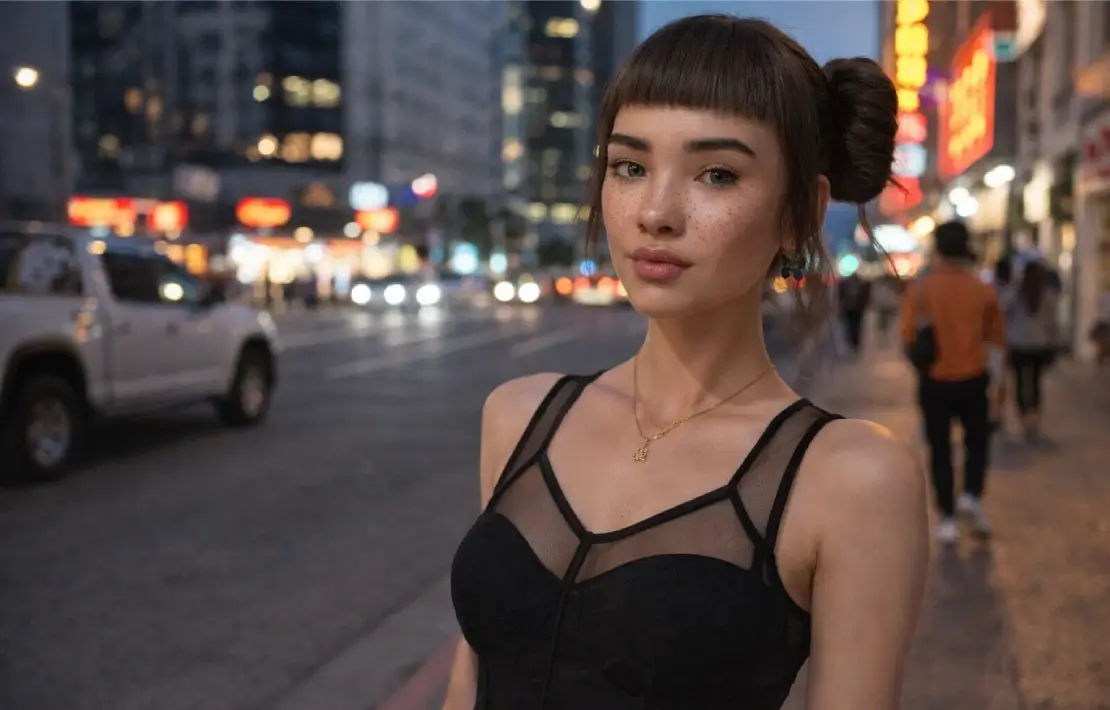
Lil Miquela is a prominent AI influencer created by the talent agency Brud, designed as a highly realistic digital persona with over 2.3 million Instagram followers and strong engagement across social media platforms. She has collaborated with global brands such as Prada, Calvin Klein, and Samsung, and has appeared in international advertising campaigns. Her digital persona combines fashion modeling, music production, and social storytelling, in which she releases songs on platforms like Spotify and addresses topics such as identity, diversity, and digital culture, positioning her as a multidimensional virtual influencer with both commercial and cultural impact.
Shudu Gram
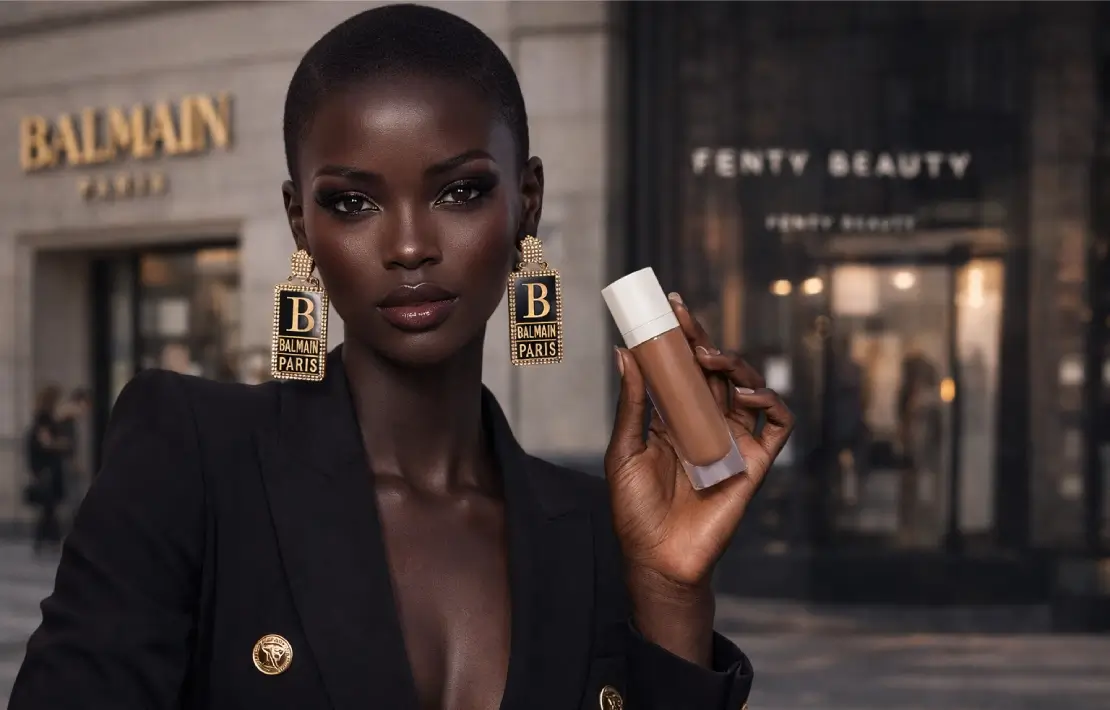
Recognized as the first digital supermodel, Shudu Gram is a renowned AI model created by photographer Cameron-James Wilson, known for her hyper-realistic appearance generated through advanced computer vision. She has over 239K followers and has collaborated with luxury brands such as Balmain and Fenty Beauty, where brands use her image for high-fashion campaigns and product visualization. Her digital identity reflects precision in skin texture, lighting, and proportions, which demonstrates how deep learning and CGI technologies can replicate and standardize luxury fashion aesthetics while reducing the need for traditional photoshoots.
Imma
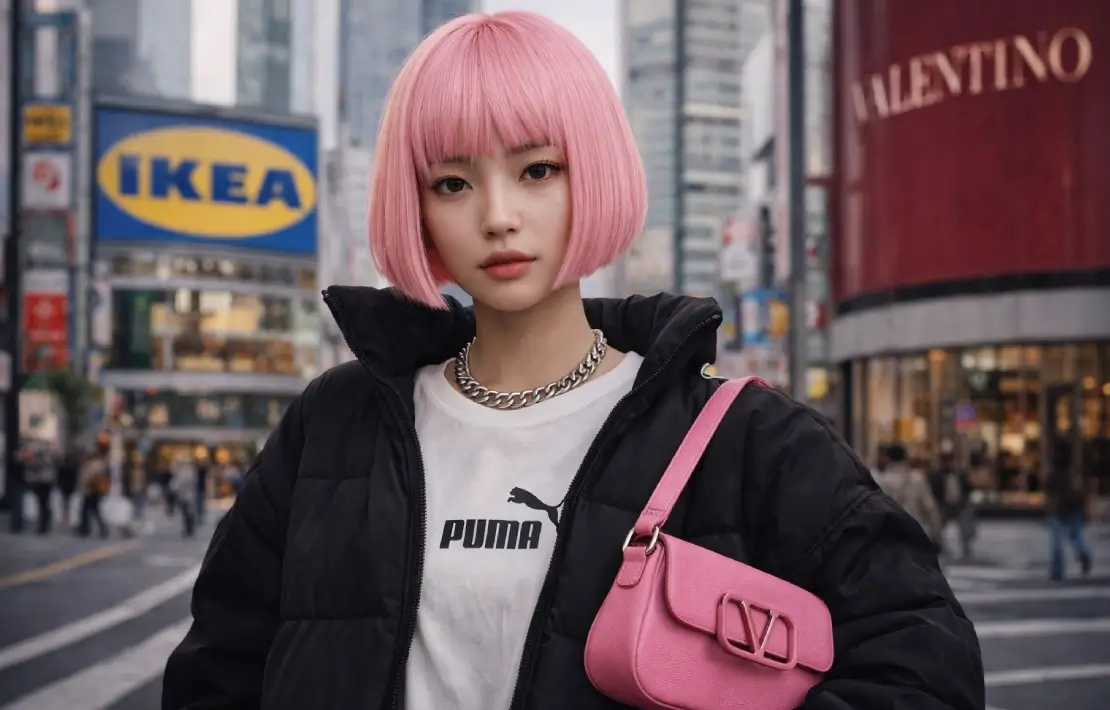
Imma is a well-known virtual influencer from Japan, recognized for her signature pink hair and urban fashion style, with over 400K Instagram followers and collaborations with brands such as IKEA, Puma, and Valentino. She participates in digital campaigns, virtual events, and cultural exhibitions, where brands use her persona to connect with Gen Z audiences. Her content integrates AI-driven visuals with real-world environments, which demonstrates how virtual influencers can localize global fashion trends and reflect youth culture, technology adoption, and digital storytelling in the Asian market.
Noonoouri
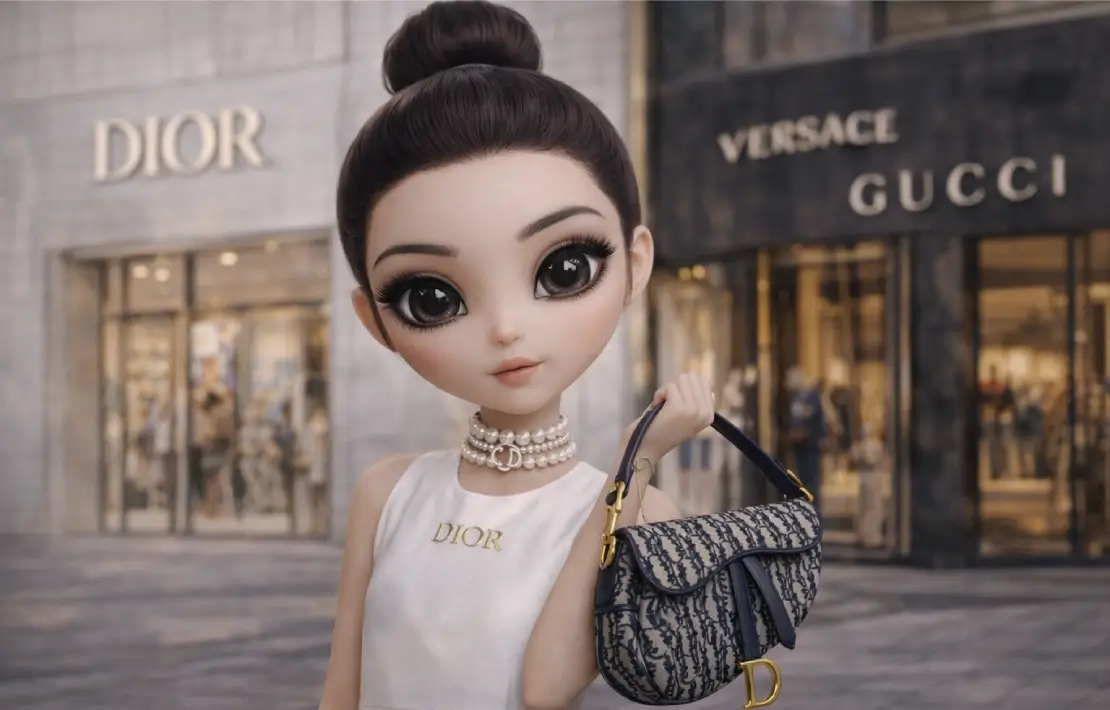
With a stylized, animated design, Noonoouri operates as a creative, AI-generated CGI influencer in the luxury segment, with over 400K followers and collaborations with Dior, Versace, and Gucci. Her digital persona combines fashion, music, and advocacy, where she has released AI-generated songs and appeared in virtual performances. Her content emphasizes ethical fashion, sustainability awareness, and transparent brand messaging, demonstrating how virtual influencers can communicate value-driven narratives while maintaining a strong visual identity and cross-industry presence.
Aitana Lopez
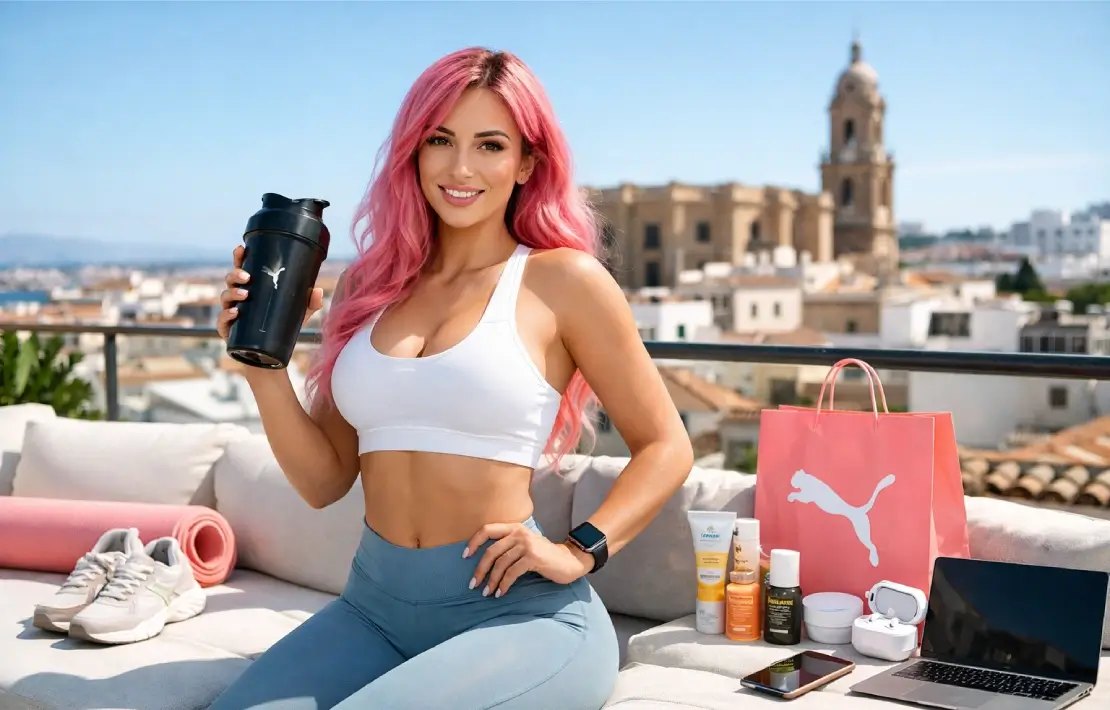
Created in Spain, Aitana Lopez is an emerging and commercially focused AI-generated model known for fitness and lifestyle content, with over 300K followers and active participation in influencer marketing campaigns. She generates revenue through sponsored posts, brand endorsements, and subscription-based platforms such as Fanvue, where creators monetize exclusive content. Her digital presence shows how AI influencers can deliver consistent brand messaging, reduce production costs, and enable data-driven marketing strategies through controlled content creation and audience segmentation.
Bermuda
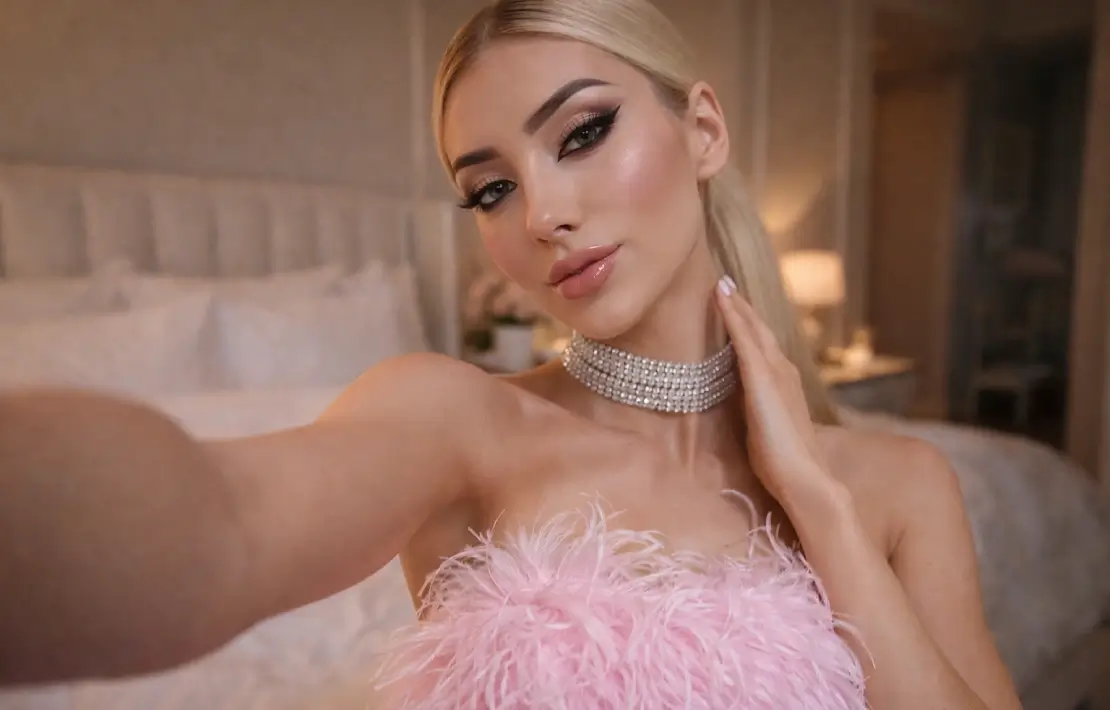
Bermuda brings a bold and narrative-driven approach to the AI influencer space, with over 250K followers and content centered on storytelling, digital identity, and opinion-led engagement. Her posts often simulate real-world debates and controversies, which increases audience interaction and visibility. Her character design and consistent narrative positioning show how AI influencers can maintain controlled messaging, build distinct digital personalities, and drive engagement through scripted yet realistic social media experiences.
Zuri
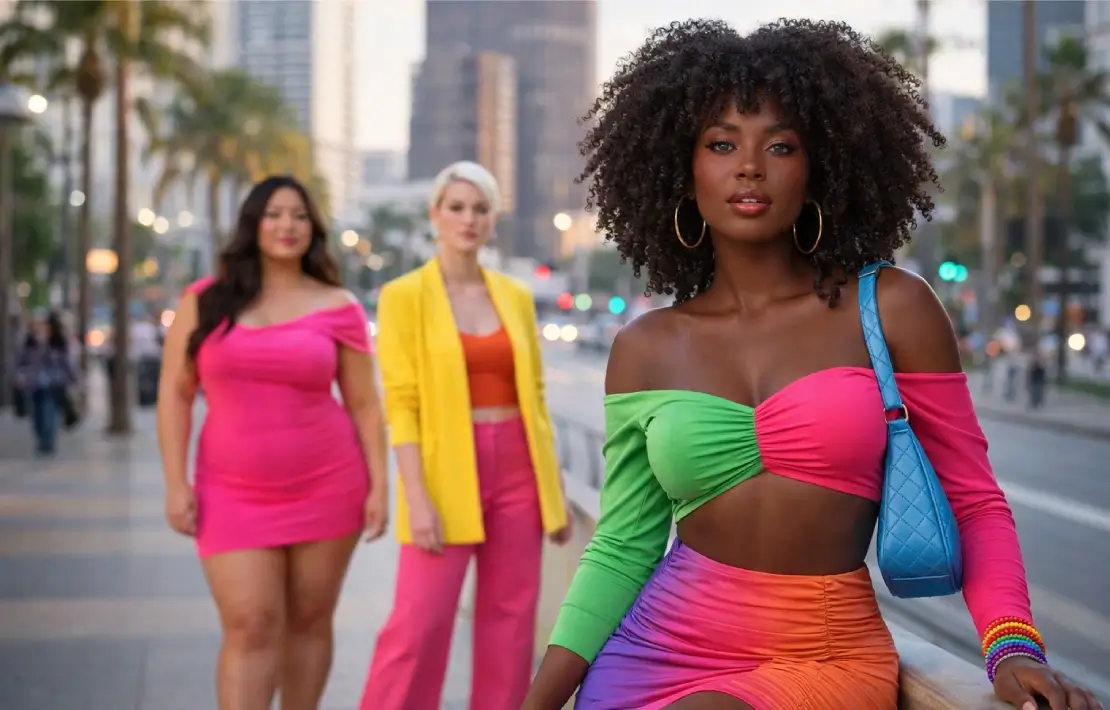
Positioned around representation, Zuri serves as an emerging AI influencer promoting diversity in fashion, with her presence in inclusive campaigns highlighting underrepresented identities, including varied skin tones, body types, and cultural aesthetics. Her digital persona enables brands to create culturally adaptive campaigns and connect with broader audience segments across regions. This positioning shows how AI influencers can standardize inclusive representation, support ethical branding goals, and integrate diversity-focused narratives into scalable digital marketing strategies.
Kyra

Kyra is an India-based AI influencer with over 238K followers, focused on consistently creating fashion and lifestyle content, where regular posting and brand collaborations build steady engagement across platforms. Her digital persona reflects Indian fashion trends, regional audience behavior, and culturally relevant styling, such as ethnic wear and contemporary street fashion. This positioning shows how AI influencers can localize campaigns, maintain consistent visual identity, and enable brands to execute data-driven marketing strategies with predictable engagement, audience targeting, and scalable digital reach.
Milla Sofia
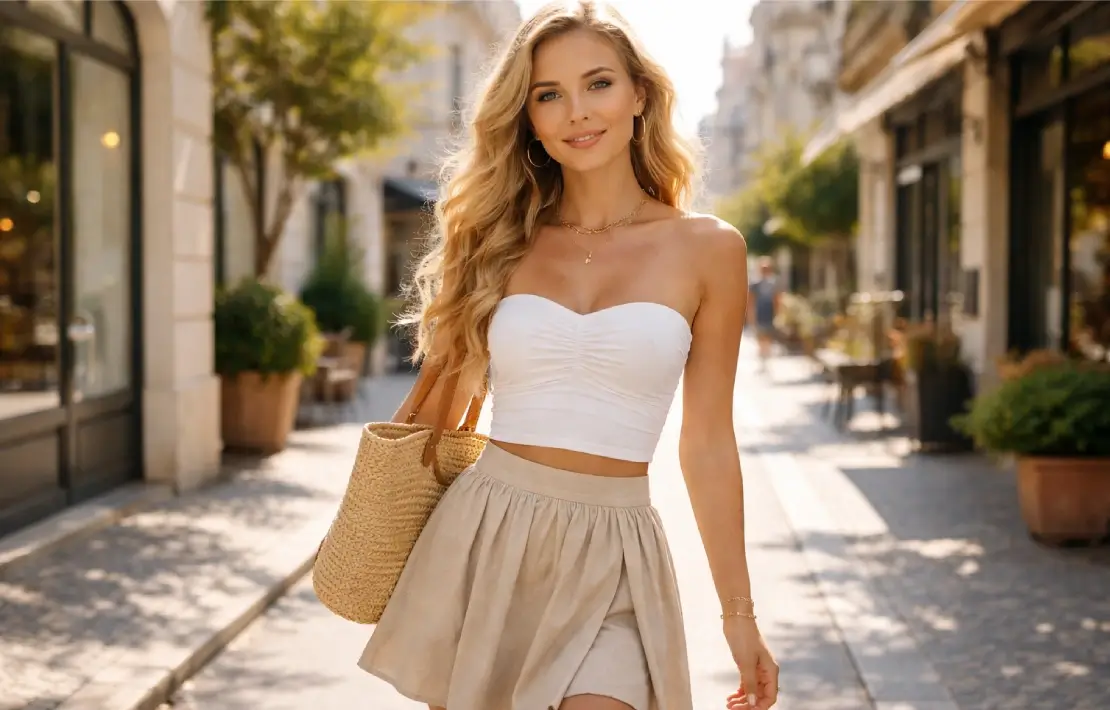
Known for realistic visuals, Milla Sofia represents a well-established AI-generated influencer used in fashion campaigns, with over 100K followers and a focus on high-quality digital imagery for apparel promotion. Her content highlights precise attention to detail in textures, lighting, and poses, allowing brands to present products in a consistent, controlled environment. This role shows how AI models support scalable content production, reduce dependency on traditional photoshoots, and enable brands to maintain continuous visual output across multiple campaigns and platforms.
Leya Love

Focused on sustainability, Leya Love operates as a purpose-driven AI influencer combining fashion with environmental messaging, where her niche audience engages with awareness-driven content rather than mass marketing. Her digital persona communicates topics such as climate action, ethical consumption, and conscious apparel choices, often aligned with eco-friendly brands. This positioning shows how AI influencers can support cause-based campaigns, deliver value-driven storytelling, and help brands integrate sustainability narratives into long-term digital strategies.
Why Are Fashion Brands Investing in AI Influencers?
Fashion brands are investing in AI influencers due to cost efficiency, creative control, absence of scandals, 24/7 availability, brand safety, and global reach without boundaries. This approach allows brands to manage campaigns with predictable outcomes, maintain consistent messaging, and scale influencer marketing across multiple regions without operational limitations.
Cost Efficiency
As cost efficiency becomes a priority, fashion brands invest in AI influencers to reduce spending on photoshoots, travel, talent fees, and production teams. AI-generated models enable brands to produce high-quality visual content using digital tools, lowering operational costs while maintaining consistency, supporting scalable campaigns, faster execution, and continuous content creation.
Creative Control
Fashion brands invest in AI influencers to gain complete creative control over visual identity, messaging, and campaign execution. Brands define appearance, personality, and content style, which ensures consistent branding across platforms. This control reduces risks linked to human behavior, enables precise storytelling, supports real-time content adjustments, and allows scalable, cost-efficient production aligned with marketing goals and audience targeting.
No Scandals or Controversies
As risk control becomes increasingly important, fashion brands invest in AI influencers to avoid scandals or controversies, such as inappropriate public statements, unpredictable behavior, contract disputes, or misalignment with brand values. AI influencers operate under full brand control, ensuring consistent messaging, eliminating reputational risks, and allowing brands to maintain long-term campaign stability and trust across global audiences.
24/7 Availability & Consistency
As continuous engagement becomes necessary, fashion brands adopt AI influencers for 24/7 availability and consistency, as these digital personas can create and publish content at any time. AI influencers maintain a uniform visual identity, tone, and posting frequency, which supports real-time campaign execution, global audience reach, and consistent brand presence while eliminating downtime and dependency on human schedules.
Brand Safety & Risk Reduction
In the fashion industry, where brand image and reputation directly influence consumer perception and purchase decisions, brands utilize AI influencers to ensure brand safety and reduce risks. These digital personas follow controlled guidelines and pre-approved messaging, reducing risks like backlash while ensuring trust, brand protection, and consistent outcomes.
Global Reach Without Boundaries
Due to the global nature of the fashion industry, brands use AI influencers to reach diverse audiences across regions with localized content while maintaining consistent messaging and scalable international campaigns. This approach allows brands to operate across multiple time zones and markets without physical limitations.
How AI Influencers Are Changing Fashion Marketing
In the fashion industry, AI influencers are enhancing brand integration by naturally embedding products created with an AI fashion design generator and campaign messages into content. This approach helps maintain cohesive storytelling, consistent visual identity, and effective audience engagement across platforms.
Consistent Persona
In fashion marketing, AI influencers are revolutionizing brand communication by offering a consistent digital persona that ensures uniform messaging, visual style, and audience engagement across campaigns. Brands can rely on these digital personas to represent their identity without deviation, enabling predictable audience interactions, reinforcing brand image, and allowing scalable, high-frequency content delivery across multiple platforms.
Adaptability
AI influencers are enhancing adaptability in fashion marketing by adjusting their content, style, and messaging to align with evolving trends, regional preferences, and audience behaviors. This flexibility allows brands to quickly respond to market changes, test different campaigns in real time, and maintain relevance across diverse platforms without the constraints of human influencer schedules or availability.
Transparency
Regarding transparency, AI influencers are reshaping fashion marketing by clearly representing their AI-generated nature and brand partnerships, enabling audiences to understand sponsored content. This openness builds trust, reinforces ethical marketing practices, and ensures that brand messaging is perceived as credible and accountable across campaigns.
Brand Integration
In the fashion industry, AI influencers are enhancing brand integration by naturally embedding products and campaign messages into content. This approach helps maintain cohesive storytelling, consistent visual identity, and effective audience engagement across platforms.
Which fashion brands use AI influencers?
Brands such as Prada, Calvin Klein, Balmain, Fenty Beauty, Dior, Gucci, Puma, IKEA, and Valentino have collaborated with AI influencers for campaigns, product launches, and digital marketing content. These collaborations help brands reach wider audiences while maintaining consistent, visually engaging, and controlled messaging.
Can AI influencers replace human influencers in fashion?
AI influencers cannot fully replace human influencers, as they lack authentic human experiences, emotions, and personal relatability. However, they can complement human influencers by providing consistent, scalable, and risk-free content for brands.
How much does it cost to work with an AI influencer?
The cost of working with an AI influencer ranges from $165 to $10,000+, per post depending on the model’s complexity and campaign requirements. This includes expenses for model creation, content generation, campaign management, and any customizations, making it a scalable yet controlled option for brand marketing.
How to Generate an AI Fashion Model ?
Creating an AI fashion model begins with determining its goal, such as virtual influencer campaigns, apparel visualisation, or digital marketing. Next, collect high-quality fashion data, including photos, styles, and design aspects. Input the data into an AI model Creator tool and train the model, fine-tuning aspects such as style, postures, and features to match your brand’s aesthetics.
