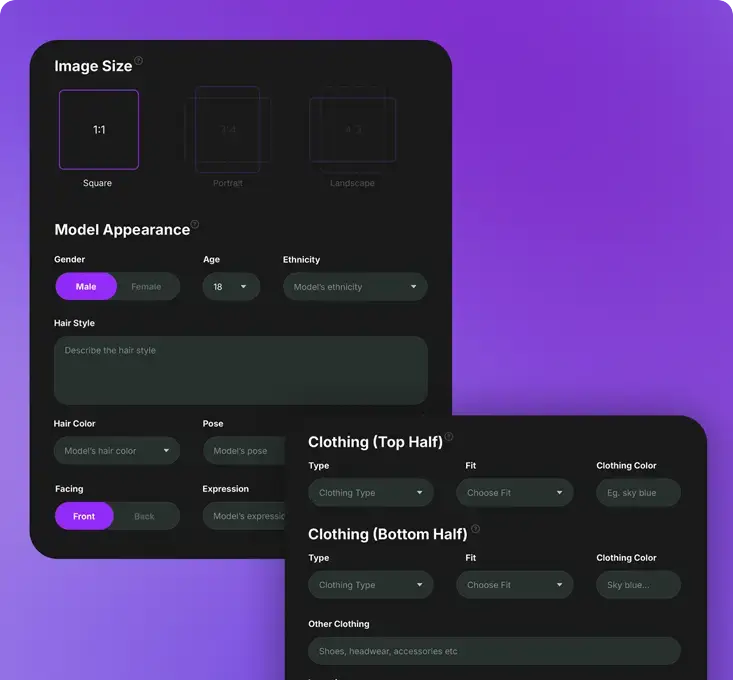
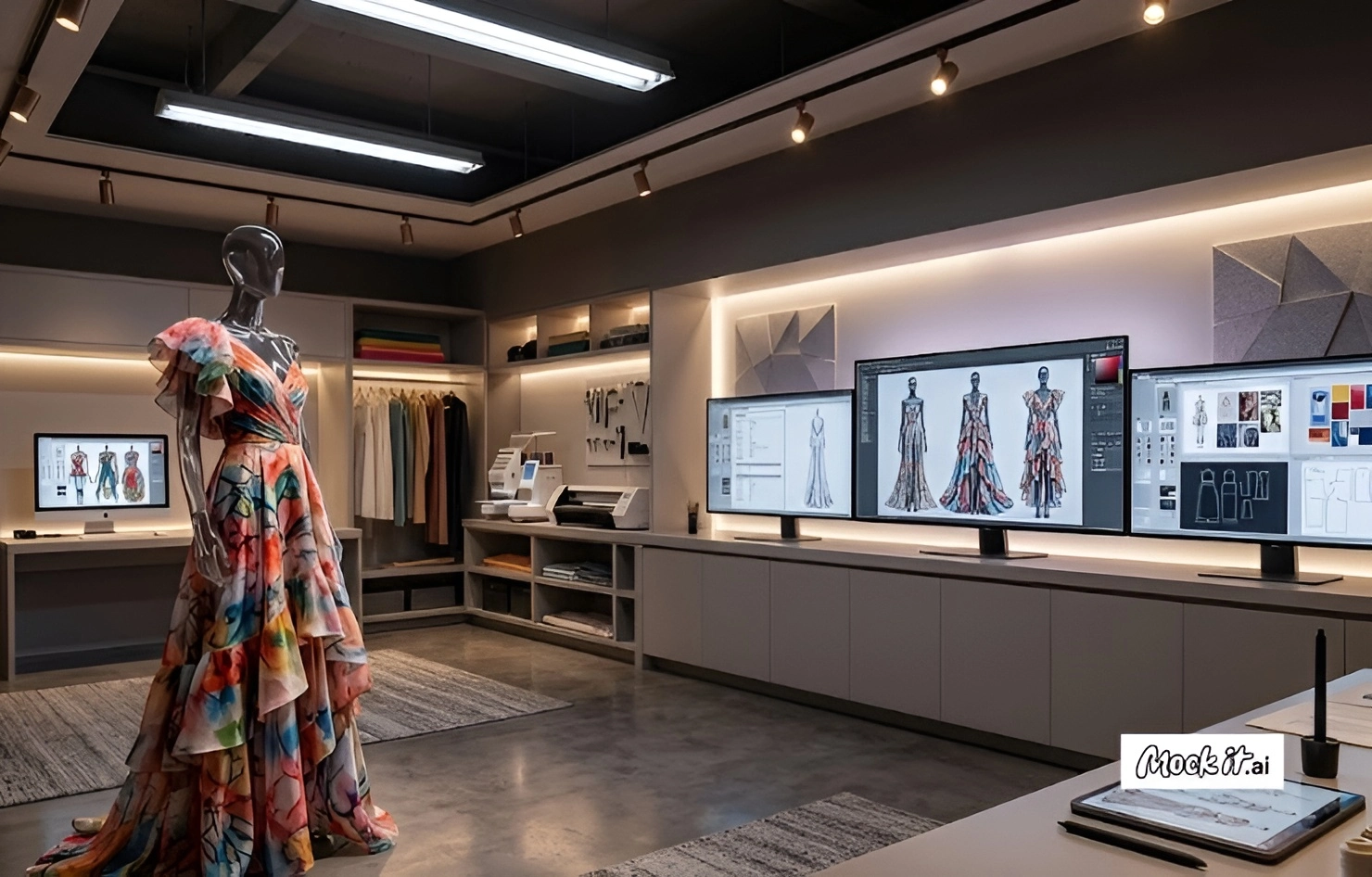
The key AI fashion trends for 2026 include AI-driven trend forecasting, multimodal AI agents, virtual 3D prototyping, reactive smart textiles, and enterprise AI design engines. Additional innovations such as digital try-ons, virtual showrooms, AI virtual prototype libraries, agentic shopping curation, AI-generated patterns, self-learning style fusion, and sustainable fashion optimization are also shaping the industry.
Preparing for AI fashion in 2026 requires budget-conscious shoppers, sustainability teams, fashion enthusiasts, design and product development teams, strategy planners, and trend analysts to adopt AI tools. Understand emerging technologies and apply data-driven insights for efficient, personalized, and sustainable decision-making.
Despite its benefits, AI fashion trends face challenges, including algorithmic bias, data privacy risks, high costs, loss of creativity, and IP concerns. Leveraging AI fashion trends successfully demands thoughtful use that balances innovation, personalization, and sustainability.
AI-driven fashion trend forecasting
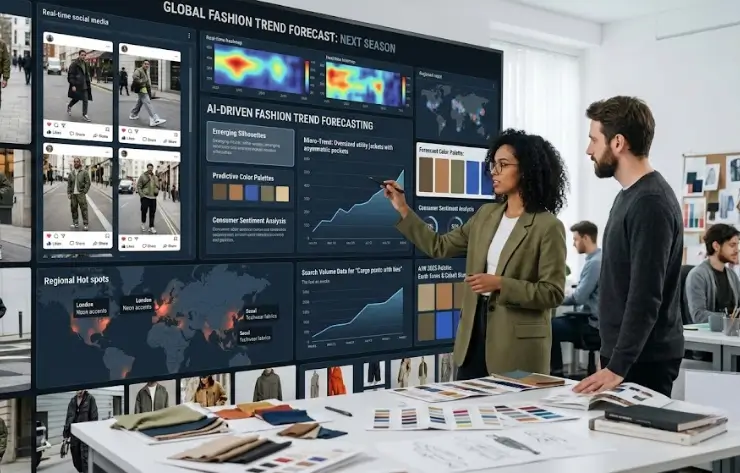
AI-driven fashion trend forecasting uses machine learning and predictive analytics to detect emerging styles by analyzing real-time data from social media, search trends, and e-commerce activity. Instead of relying only on traditional seasonal reports, AI systems process visual content, engagement metrics, and purchasing patterns to detect shifts in color palettes, silhouettes, fabrics, and consumer preferences.
It allows brands to anticipate fashion trends earlier, align clothing design with verified demand signals, and respond quickly to micro-trends. As a result, retailers reduce excess inventory, improve supply chain planning, support sustainable fashion goals, and make more accurate, data-driven decisions across design, merchandising, and marketing.
Multimodal AI Agents
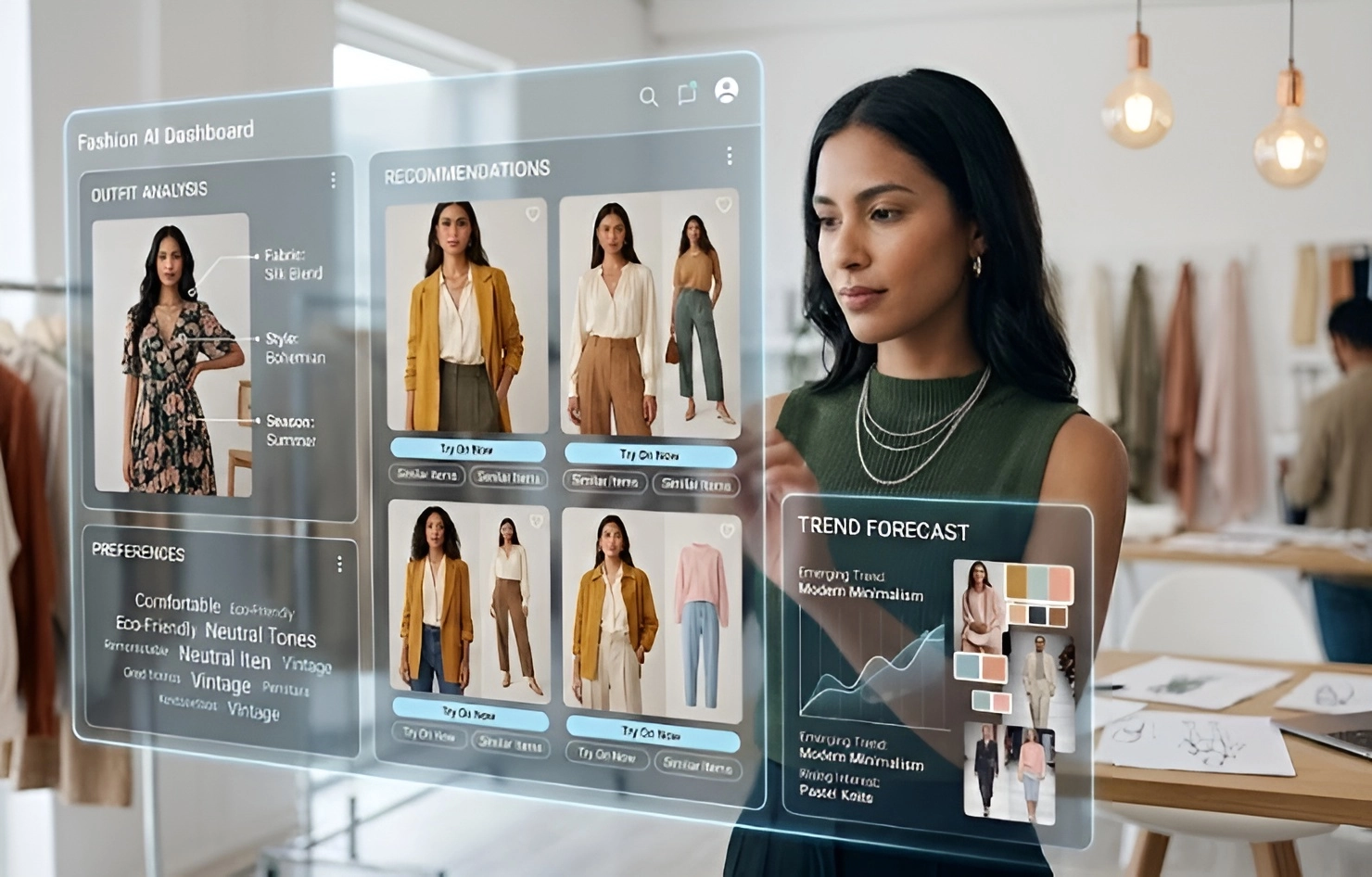
AI-driven fashion trend forecasting uses machine learning and predictive analytics to detect emerging styles by analyzing real-time data from social media, search trends, and e-commerce activity. Instead of relying only on traditional seasonal reports, AI systems process visual content, engagement metrics, and purchasing patterns to detect shifts in color palettes, silhouettes, fabrics, and consumer preferences.
It allows brands to anticipate fashion trends earlier, align clothing design with verified demand signals, and respond quickly to micro-trends. As a result, retailers reduce excess inventory, improve supply chain planning, support sustainable fashion goals, and make more accurate, data-driven decisions across design, merchandising, and marketing.
Virtual 3D Prototyping
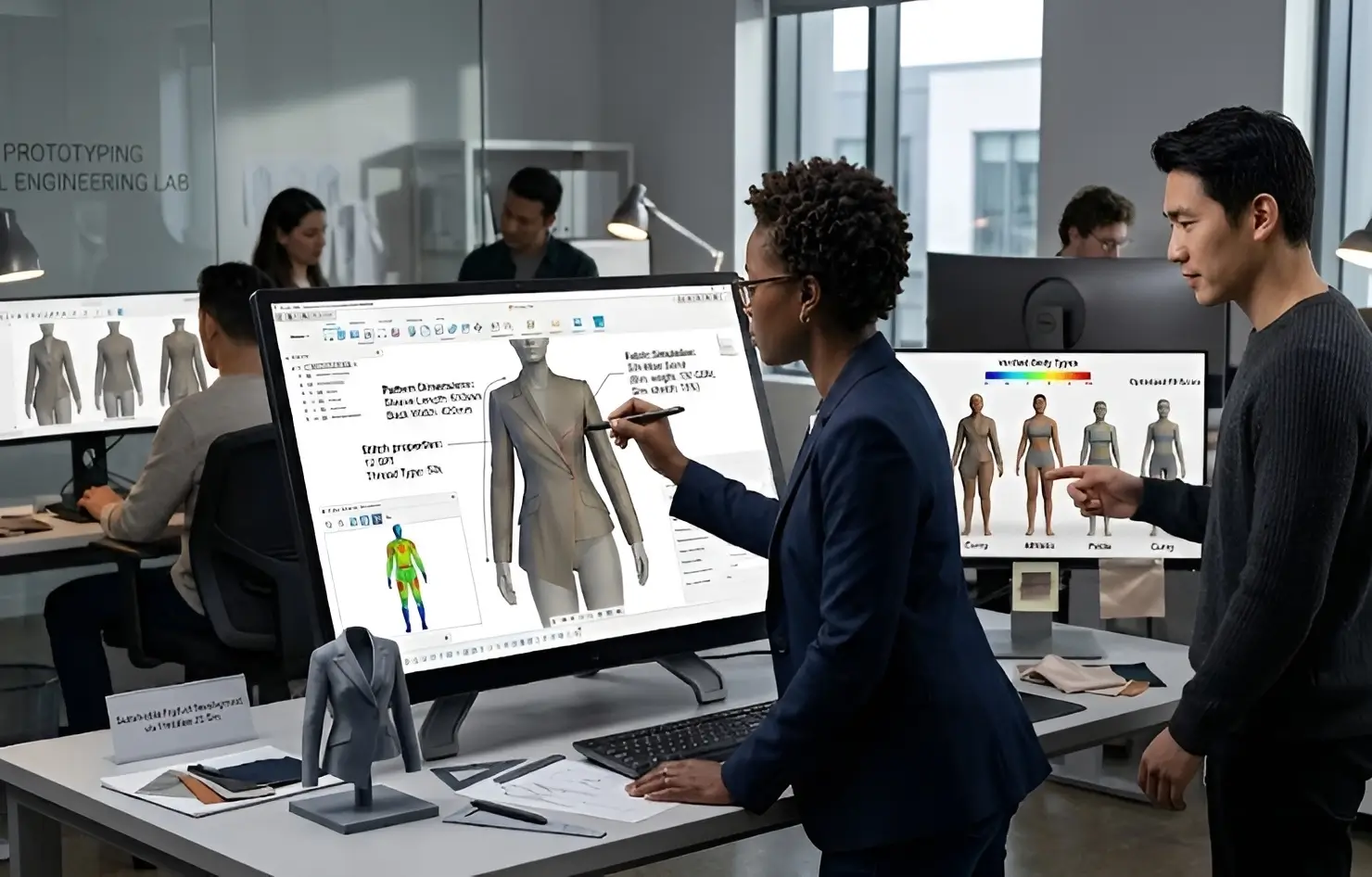
Digital garment engineering now relies on virtual 3D modeling systems that allow fashion teams to design, test, and modify apparel before producing physical samples. Tools such as Fusion 360 enable the creation of parametric, fully editable 3D models, allowing adjustments to dimensions, seams, and structural elements with precision and flexibility.
AI-driven simulation engines replicate fabric weight, stretch, and movement on realistic avatars, providing designers with accurate insights into fit and performance across multiple body types. This streamlined workflow cuts sampling costs, accelerates product development, reduces excess material use, and strengthens sustainable production practices while preserving design accuracy.
Reactive Smart Textiles
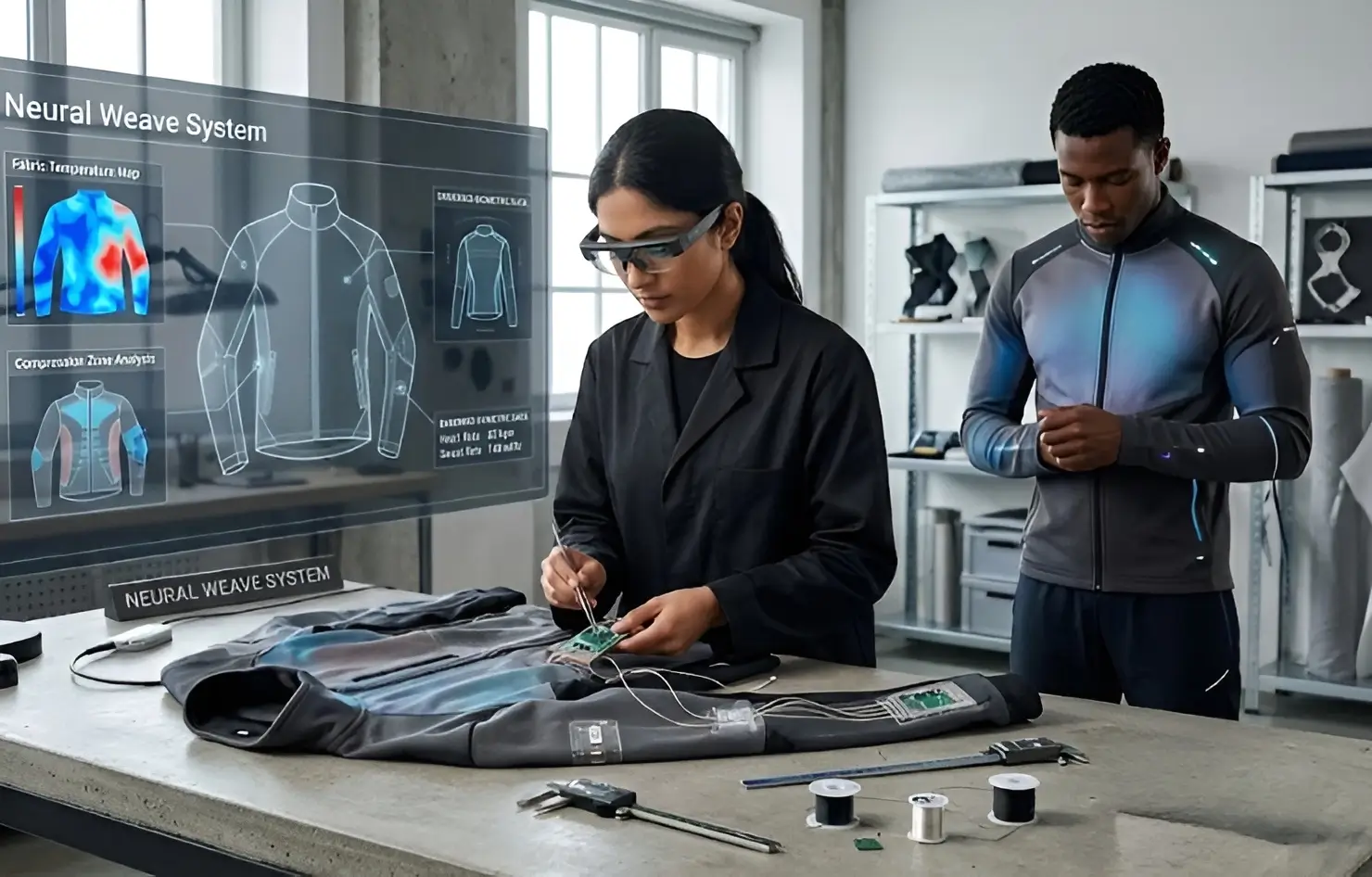
Reactive smart textiles integrate sensors, conductive fibers, and adaptive materials directly into garments, allowing fabric to respond to environmental and body-based stimuli in real time. These AI-powered fabrics regulate temperature, adjust compression, manage moisture, and even shift color in response to factors such as heat, movement, and UV exposure.
By embedding wearable technology within clothing structure, brands create performance-driven apparel that tracks biometric data while enhancing comfort and functionality. This fusion of intelligent systems and textile engineering transforms fashion from static design into responsive, data-informed wearables that support personalization, performance optimization, and more efficient resource use.
Enterprise AI Design Engines
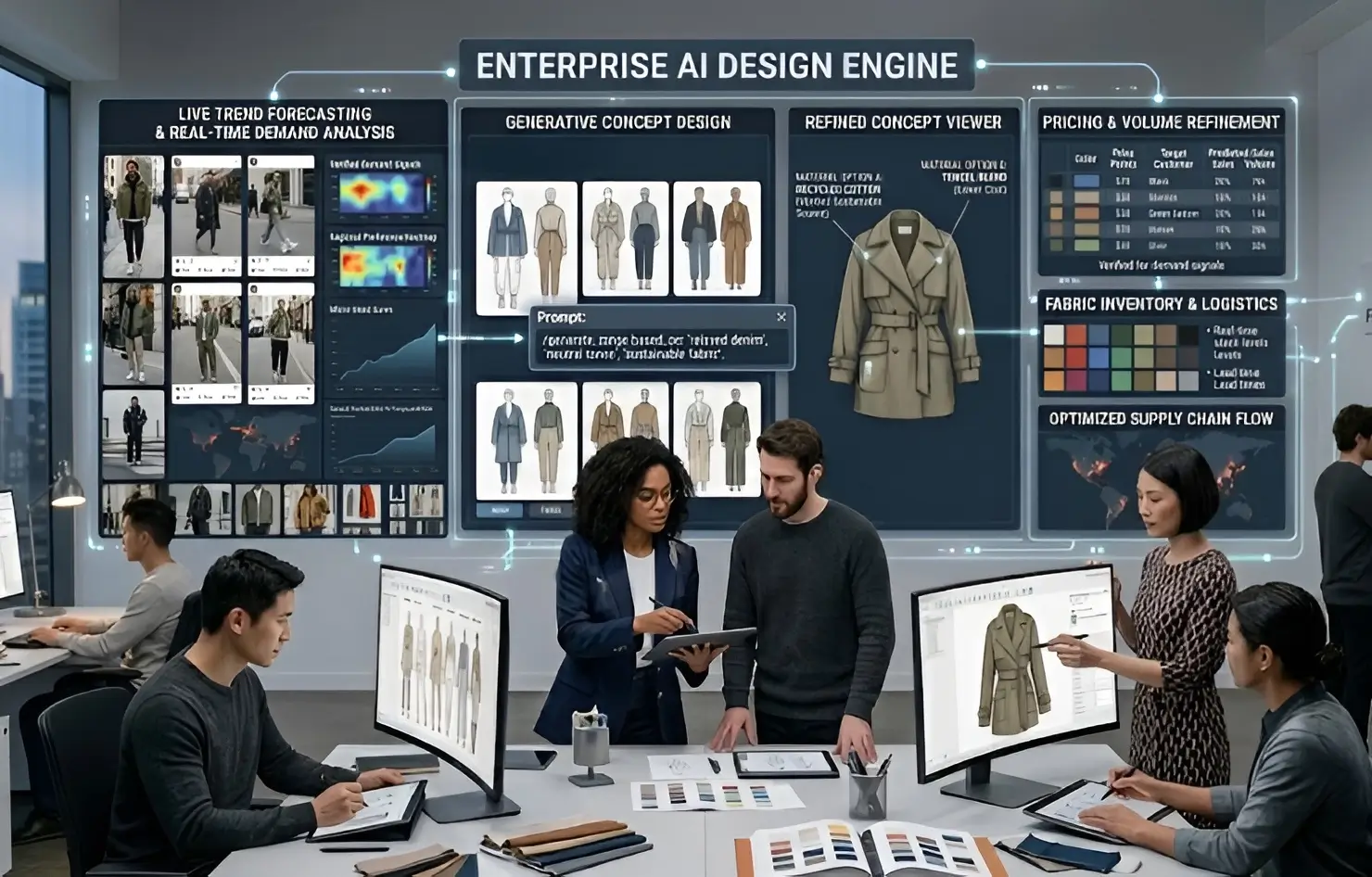
Large-scale AI-powered platforms connect design, trend forecasting, inventory planning, and supply chain analytics into enterprise AI design engines that support fashion organizations at scale. Operating as enterprise AI design engines, they combine machine learning models, generative design tools, and real-time sales data to produce clothing concepts aligned with projected demand while refining fabric selection, pricing strategy, and production volumes.
This integrated framework links creative teams with merchandising and logistics through shared data intelligence. As a result, brands accelerate development cycles, reduce excess inventory, improve forecast accuracy, and strengthen sustainable decision-making across the entire fashion value chain.
Digital try-ons and virtual showrooms
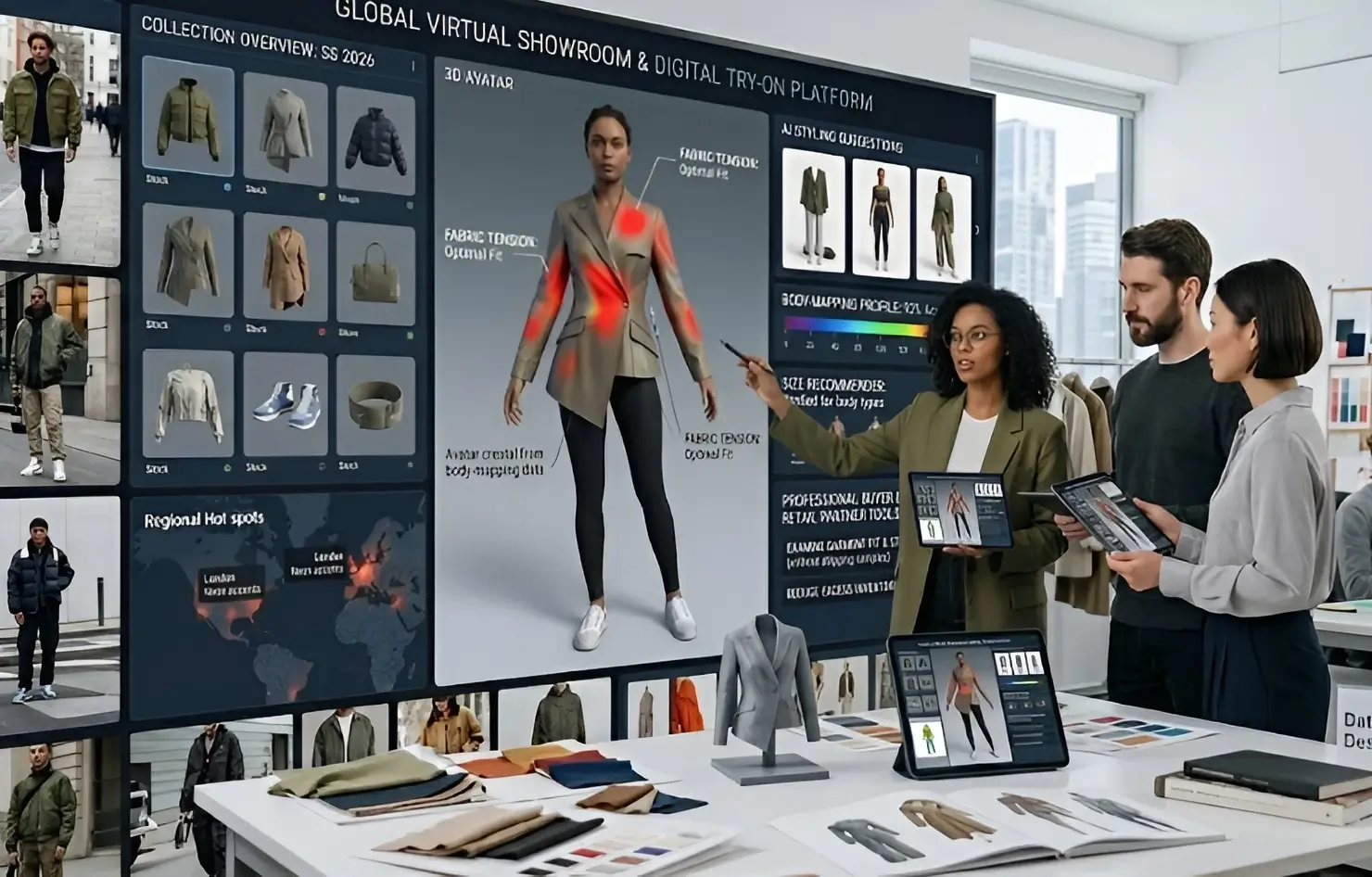
Digital try-ons and virtual showrooms use AI-powered visualization and augmented reality to let customers preview clothing without visiting a physical store. By combining computer vision, 3D garment simulation, and body-mapping technology, these systems replicate fit, movement, and fabric drape on different body types. Users can upload photos, scan their body, or use customizable avatars to receive accurate size recommendations and personalized styling suggestions.Beyond individual shoppers, brands use virtual showrooms to display entire collections in interactive 3D environments, often integrating an AI virtual dressing room to let buyers, media teams, and retail partners examine garment fit and styling without shipping physical samples. The result is a more efficient retail ecosystem that improves customer confidence, lowers return rates, and supports sustainable production strategies.
AI Virtual Prototype Libraries
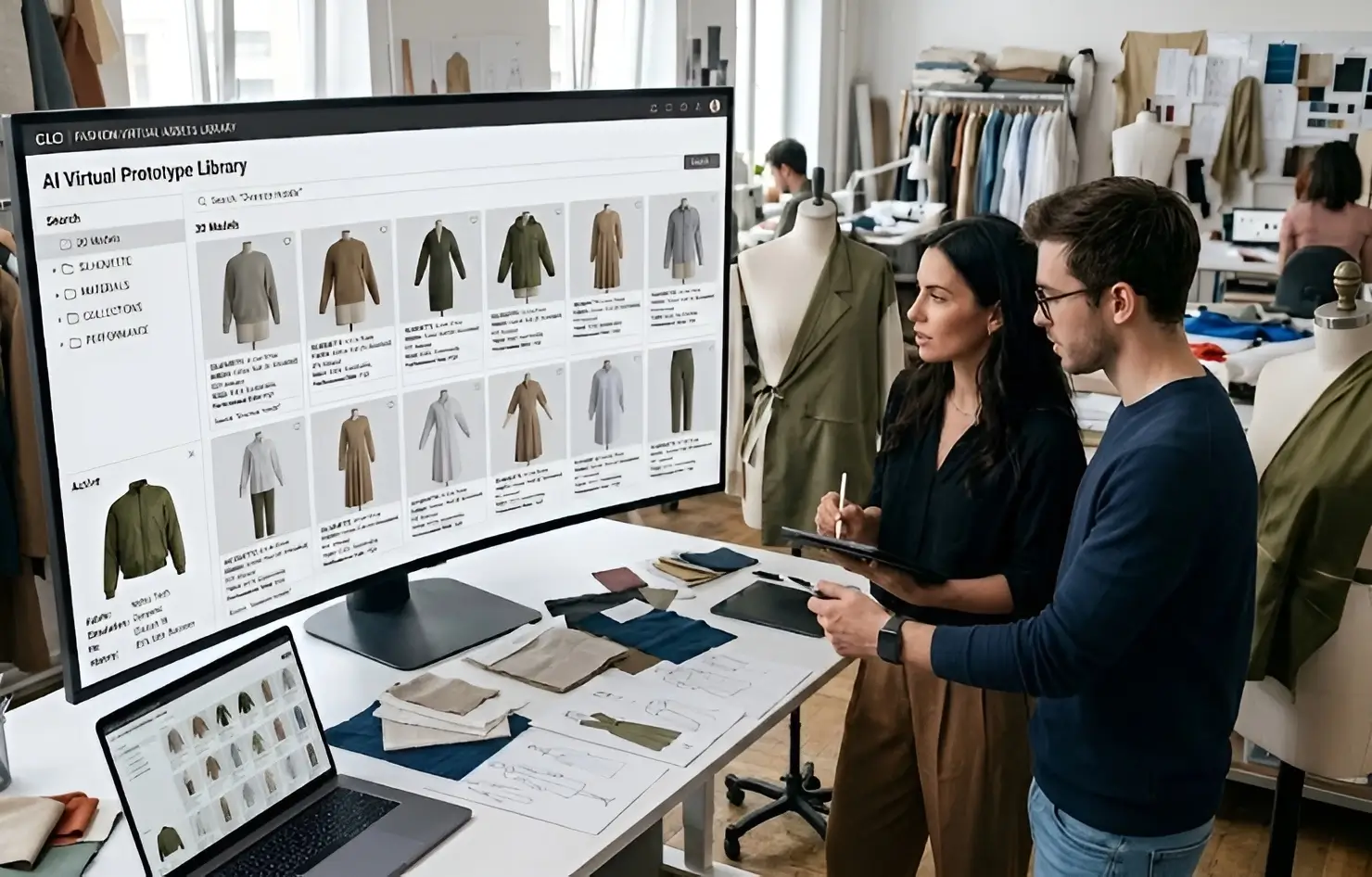
Centralized digital repositories that store, organize, and optimize 3D garment models, fabric simulations, and design components for reuse across collections. Using AI tagging and metadata classification, each prototype is organized by silhouette, material type, fit profile, and historical performance data. Designers can quickly search, retrieve, and modify existing assets instead of rebuilding samples from scratch.
This structured reuse accelerates development cycles, maintains sizing consistency across collections, and strengthens collaboration between global teams. By reducing repetitive sampling and linking prototypes with forecasting data, brands cut material waste, lower costs, and align production more closely with projected demand.
Agentic Shopping Curation
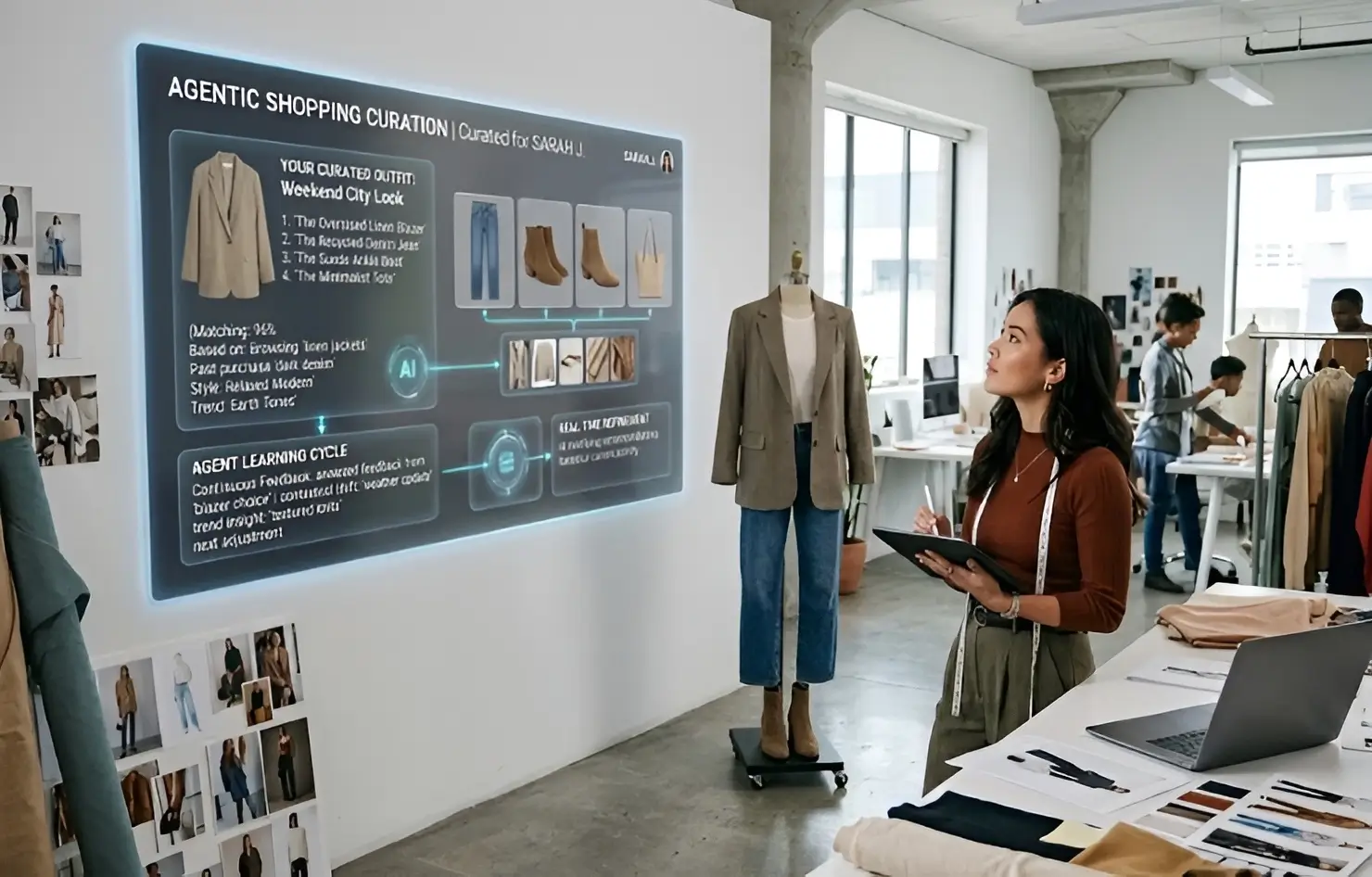
Personalized retail is shifting toward agentic shopping curation, where autonomous AI systems actively select, refine, and recommend products based on individual behavior and contextual signals. These intelligent agents analyze browsing history, purchase patterns, budget limits, seasonal needs, and style preferences to build curated outfit suggestions rather than displaying static product lists.
Operating continuously in the background, AI shopping agents learn from user feedback, engagement patterns, and changing fashion trends to adjust recommendations in real time. This dynamic approach improves product relevance, increases conversion rates, reduces decision fatigue, and creates a more efficient, data-driven shopping experience tailored to each customer.
AI-generated design and pattern creation
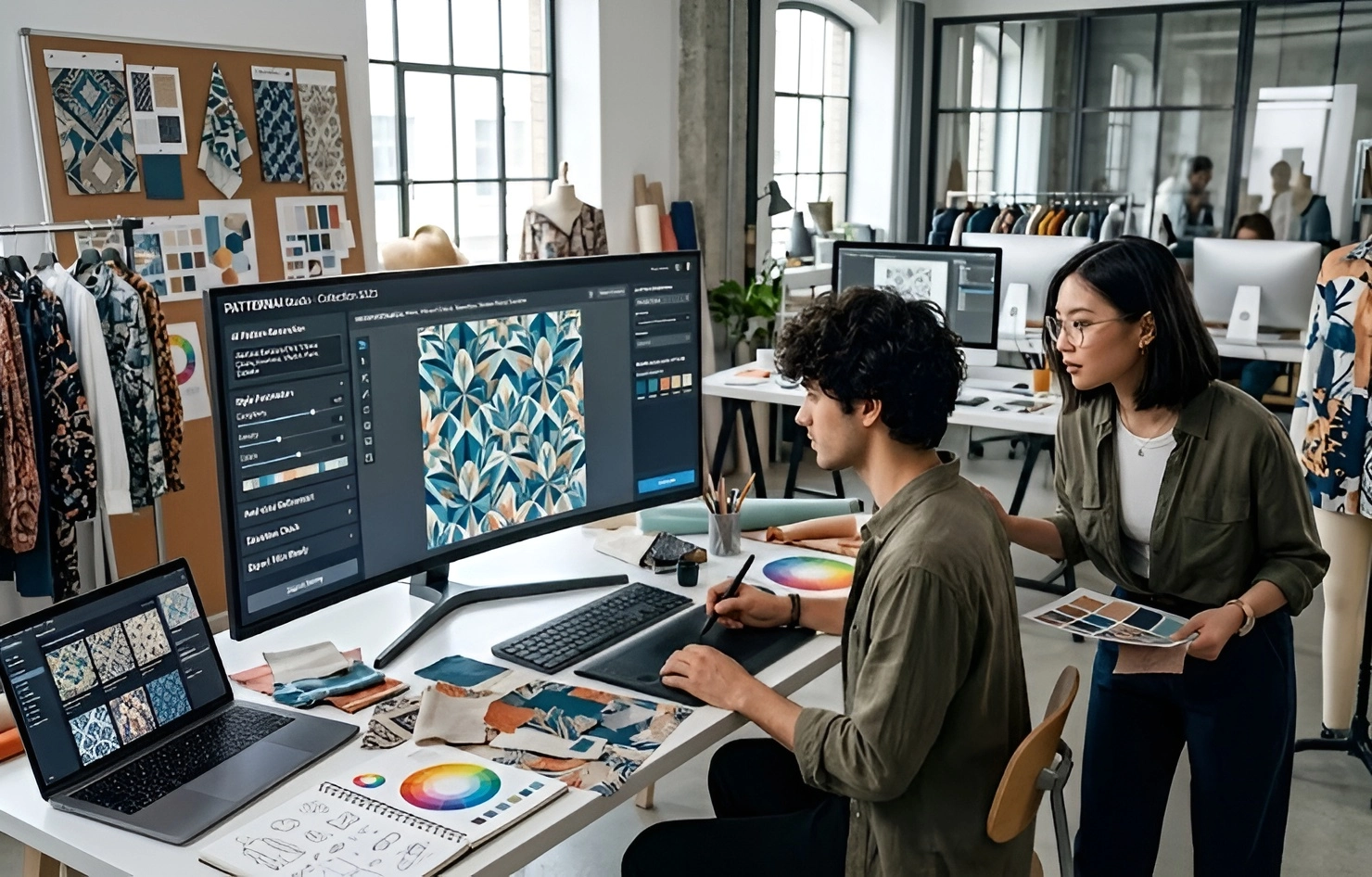
AI-generated design and pattern creation uses machine learning and generative algorithms to produce original textile prints, graphics, and garment concepts from text prompts or image inputs. AI-powered design tools such as PatternedAI, Midjourney, and Canva create unique, seamless, print-ready patterns with customizable styles, colors, and layouts tailored to specific collections.
Designers refine outputs by adjusting prompts, uploading reference images, or applying brand guidelines to control aesthetic direction. This process accelerates concept development, reduces manual drafting time, and enables rapid experimentation with fabric pattern generation while maintaining scalability and creative precision across fashion collections.
Self-Learning Style Fusion
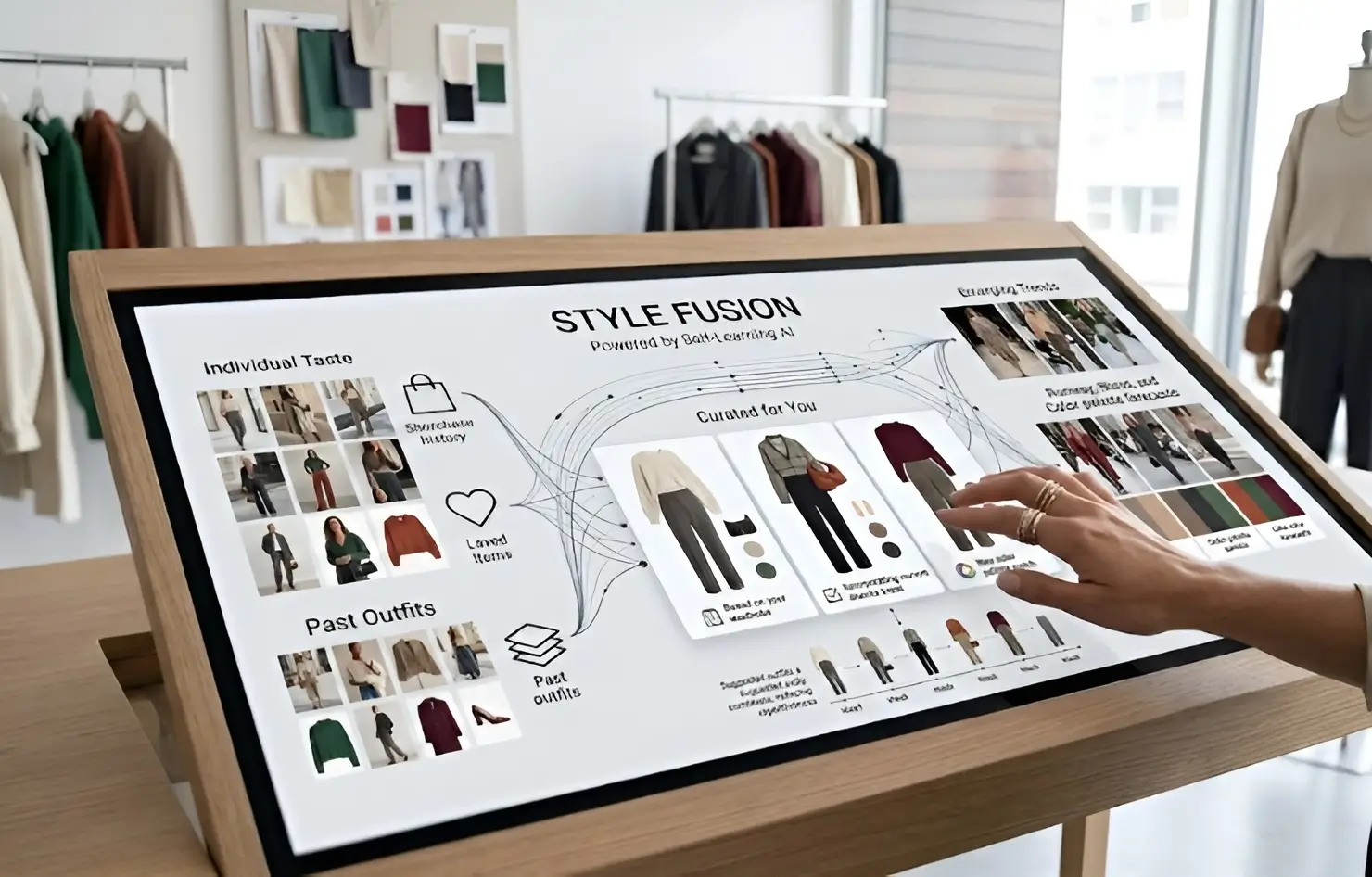
Blending data intelligence with evolving aesthetics, self-learning style fusion refers to AI systems that continuously refine fashion recommendations by analyzing user behavior, wardrobe data, and trend signals. These models study purchase history, saved items, outfit combinations, and engagement patterns to understand individual taste while tracking broader fashion movements.
As users interact with platforms, the system adapts in real time, merging personal preferences with emerging trends to generate balanced outfit suggestions. This adaptive learning improves styling accuracy, reduces repetitive recommendations, and creates a dynamic fashion experience that evolves alongside the user’s changing style identity.
Sustainable Fashion Optimization
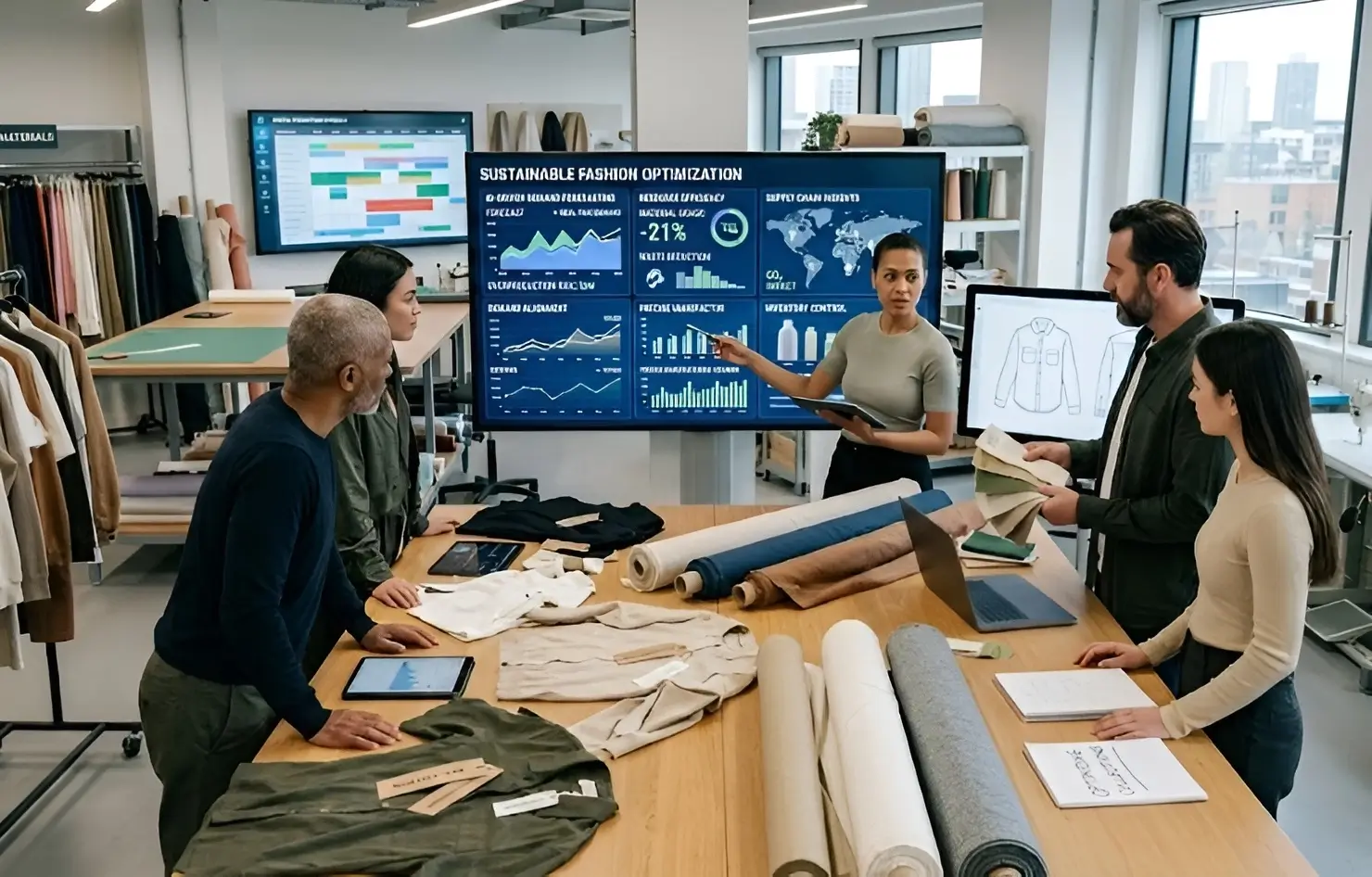
Sustainable fashion optimization applies AI-driven analytics to reduce waste, improve resource efficiency, and align production with actual consumer demand. By analyzing sales data, return rates, fabric usage, and supply chain performance, intelligent systems identify overproduction risks and recommend precise manufacturing volumes. This data-focused approach limits excess inventory and lowers material waste across collections.
Predictive models further support responsible sourcing by evaluating supplier performance, carbon impact, and logistics efficiency. Through real-time monitoring and demand forecasting, brands strengthen inventory control, reduce environmental impact, and build more resilient, cost-effective fashion operations.
How to Prepare for AI Fashion in 2026
To prepare for AI Fashion in 2026, for Budget shoppers, sustainability teams, fashion enthusiasts, privacy reviewers, design professionals, strategy planners, and trend analysts must understand how AI is reshaping purchasing behavior, production systems, and creative workflows. Building digital literacy, adopting AI-powered tools, and strengthening data awareness will help each group adapt effectively and remain competitive in a rapidly evolving fashion ecosystem.
For Budget-Conscious Shoppers
Budget-conscious shoppers should use AI-driven platforms that compare prices, identify discounts, and suggest value-for-money clothing based on personal style and shopping habits. AI can highlight deals, recommend versatile wardrobe pieces, and prevent unnecessary spending by forecasting which items will remain in style. Understanding AI recommendations helps shoppers make smarter choices while avoiding overspending and unnecessary purchases.
Sustainability & Operations
Brands and operations teams can integrate AI into supply chain and production planning to analyze sales trends, forecast demand, and optimize inventory, minimizing overproduction and waste. It also monitors material usage and supplier performance to ensure environmentally responsible practices. By using AI-driven insights, teams can create efficient, sustainable operations that balance cost savings with eco-conscious goals while responding dynamically to changing market demand, production schedules, and consumer preferences.
For Fashion Enthusiasts
Fashion enthusiasts should leverage AI tools that track global trends, influencer activity, and social media signals to stay ahead of emerging styles. AI systems can curate outfit suggestions tailored to personal taste, recommend combinations from existing wardrobes, and forecast seasonal trends. By engaging with these platforms, enthusiasts gain early access to limited collections, experiment safely with style variations, and make informed purchasing decisions. This approach helps them explore innovative fashion while aligning with current trends.
Privacy Checklist
Preparing for AI fashion requires consumers and brands to understand what personal data AI platforms collect, how it is stored, and how it is used for recommendations. Implementing robust consent protocols, reviewing platform permissions, and securing sensitive data ensures privacy while still enabling AI-powered personalization. Awareness of privacy risks and proactive management of user data build trust, prevent breaches, and enable safe interaction with AI-driven shopping and design systems.
Design & Product Development
Designers can prepare by incorporating AI-powered tools for virtual prototyping, pattern generation, and fabric simulations. These platforms enable rapid iteration, testing multiple designs digitally before physical samples are produced, saving time and resources. AI can suggest style modifications based on trend forecasts and consumer behavior. By integrating these tools, design teams maintain consistency, foster global collaboration, and make informed creative decisions that align with market demand, ultimately streamlining product development and enhancing overall collection quality.
Skills & Strategy
Professionals preparing for AI fashion must build technical skills and strategic understanding by developing AI literacy, mastering predictive analytics, and learning to interpret machine-generated insights. Strategic planning ensures AI integrates effectively across design, production, marketing, and retail workflows. Professionals who can combine technical competence with strategic foresight can implement AI solutions that improve efficiency, optimize operations, and strengthen competitive advantage while guiding teams through technology-driven changes in the fashion industry.
Trend Forecasting & Data
Analysts and trend forecasters should use AI to analyze large datasets from sales, social media, and market activity to accurately predict upcoming fashion trends. AI models identify shifts in consumer preferences, emerging colors, patterns, and silhouettes, enabling brands to respond proactively. Integrating these insights into product planning, inventory, and marketing strategies ensures collections align with demand. By mastering AI-based forecasting, professionals can reduce risk, optimize stock, and make data-driven decisions that enhance both creative direction and commercial success.
What Are the Challenges of AI Fashion?
The challenges of AI fashion include bias in algorithms, data privacy and security concerns, high costs and technical barriers, potential loss of creativity and authenticity, and issues related to intellectual property and copyright. Addressing these challenges requires careful oversight, transparent data practices, investment in technical infrastructure, and strategies to preserve originality while leveraging AI for design and production.
Bias in Fashion AI
Bias in Fashion AI is a key challenge because algorithms can inherit and amplify societal and cultural prejudices, favoring certain body types, skin tones, or style preferences. Models trained on limited or skewed datasets may produce non-inclusive recommendations or designs, making diversity and equity critical. Mitigating this requires collecting diverse data, auditing models regularly, and continuously refining AI systems to ensure fair and representative fashion outcomes for all users.
Data Privacy & Security
A major challenge in AI fashion is data privacy and security, as platforms collect sensitive information like body measurements, purchase history, and style preferences that could be exposed or misused. Beyond theft or breaches, improper handling of this data can lead to profiling, unwanted targeting, or discrimination, making consumer trust critical. Brands must implement strong encryption, anonymization, and strict compliance with privacy regulations, while continuously monitoring systems to ensure secure, responsible use of personal data in AI-powered recommendations and virtual shopping experiences.
High Costs & Technical Barriers
In terms of high costs and technical barriers, fashion companies struggle with AI due to expensive algorithms, 3D modeling, virtual try-ons, and analytics. Beyond the financial burden, these technologies demand specialized talent, hardware, and infrastructure, making adoption difficult for smaller brands. Without scalable, cost-effective solutions, many companies risk falling behind. Investing in accessible AI platforms and training programs is essential to lower barriers, promote innovation, and ensure that AI-driven design, production, and retail tools benefit the entire fashion industry.
Creativity & Authenticity Loss
A key challenge in AI fashion is the potential loss of creativity and authenticity, as algorithm-generated designs can favor patterns and trends that appeal broadly, leading to uniform, homogenized styles. This risks diluting brand identity and reducing the uniqueness that comes from human intuition, cultural influences, and personal artistic expression.Excessive reliance on AI can limit experimentation, discourage bold designs, and make collections more uniform, reducing diversity and innovation in fashion.Designers should use AI for inspiration and efficiency while preserving intuition, cultural context, and unique aesthetics to keep collections distinctive and competitive.
IP and copyright
Intellectual property and copyright are major challenges in AI fashion because AI-generated designs can closely resemble existing patterns, prints, or garment concepts, creating legal uncertainty over ownership. Determining who holds rights, whether the designer, the brand, or the AI system, requires clear guidelines and licensing agreements. Without proper policies, companies risk infringement disputes, while creators may lose recognition or compensation. Establishing robust IP frameworks protects both human designers and organizations, enabling AI to enhance creativity without compromising originality or legal compliance in the fashion industry.
Frequently Asked Questions
Are AI fashion trends sustainable?
Yes, AI fashion trends can be sustainable when used responsibly, helping reduce overproduction, optimize inventory, and support virtual prototyping alongside eco-conscious practices. By aligning production with demand, AI helps brands lower waste and conserve resources.
Can AI replace human designers?
No, AI cannot fully replace human designers, as it lacks creativity, intuition, and the cultural understanding required to create truly original and meaningful fashion. AI can assist by generating ideas, patterns, or prototypes, but human expertise remains essential for artistic vision, storytelling, and brand identity.
How accurate is AI at predicting trends?
AI can predict fashion trends with high accuracy by analyzing large datasets, social media signals, and consumer behavior. However, it is not infallible and may miss unpredictable or emerging cultural shifts. Its effectiveness improves when combined with human insight and contextual understanding of fashion movements.
Will AI clothes be more expensive?
No, AI-driven clothing is expected to be cheaper and more accessible, rather than more expensive. By reducing design time, minimizing physical sampling, and optimizing production, AI helps lower overall manufacturing costs, which can be passed on to consumers.
What’s the difference between AI styling and a human stylist?
AI styling is data-driven, using trends and measurements for outfit recommendations, whereas a human stylist relies on creativity, intuition, and personal experience. While AI can quickly generate numerous options, human stylists provide nuanced judgment, emotional insight, and a personalized touch that algorithms cannot replicate.
Can AI help me find clothes that fit my specific body type?
Yes, AI can help find clothes that fit a specific body type by analyzing measurements, body shape, and preferences to recommend sizes and styles tailored to each person. This reduces guesswork, minimizes returns, and creates a more personalized and convenient shopping experience.