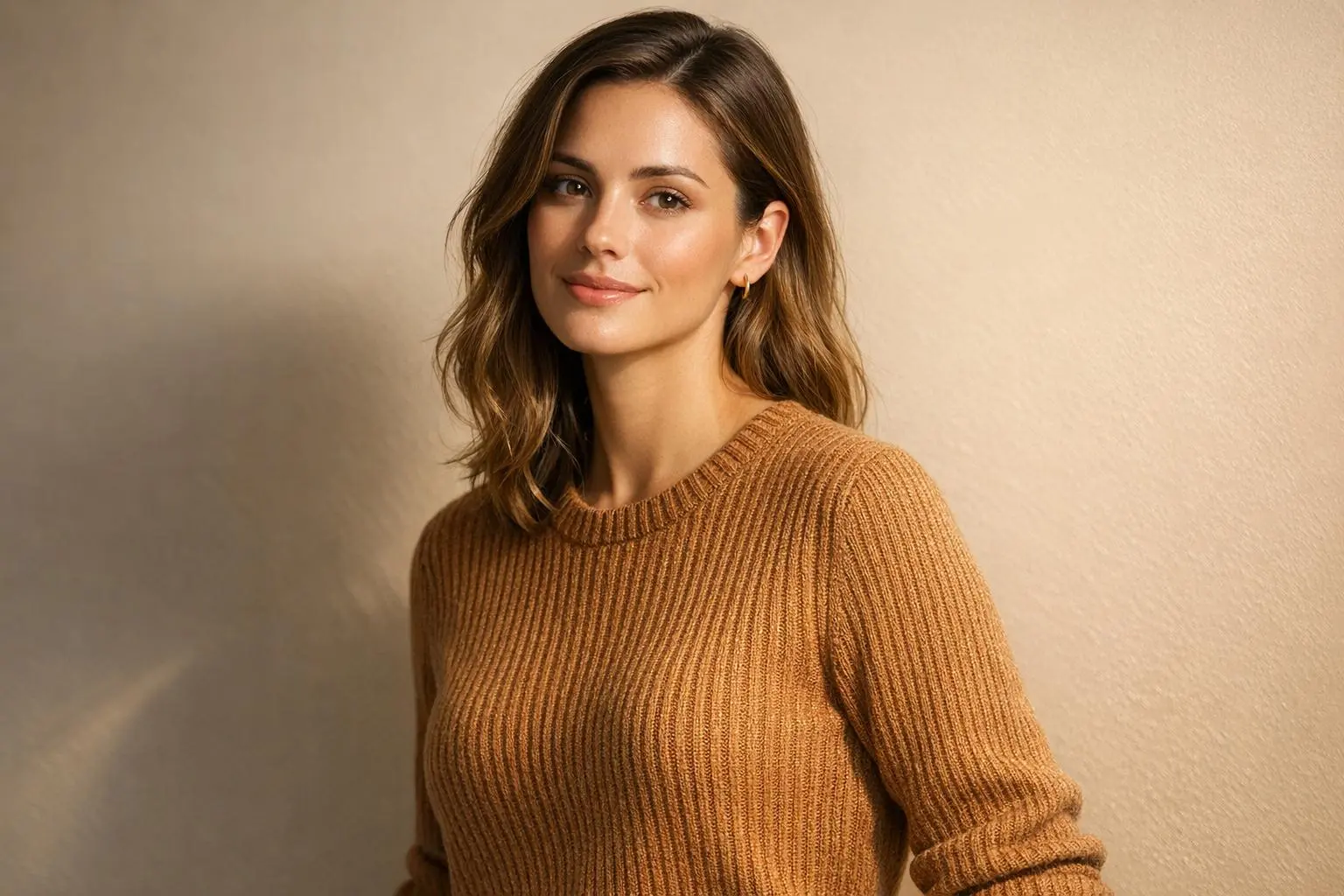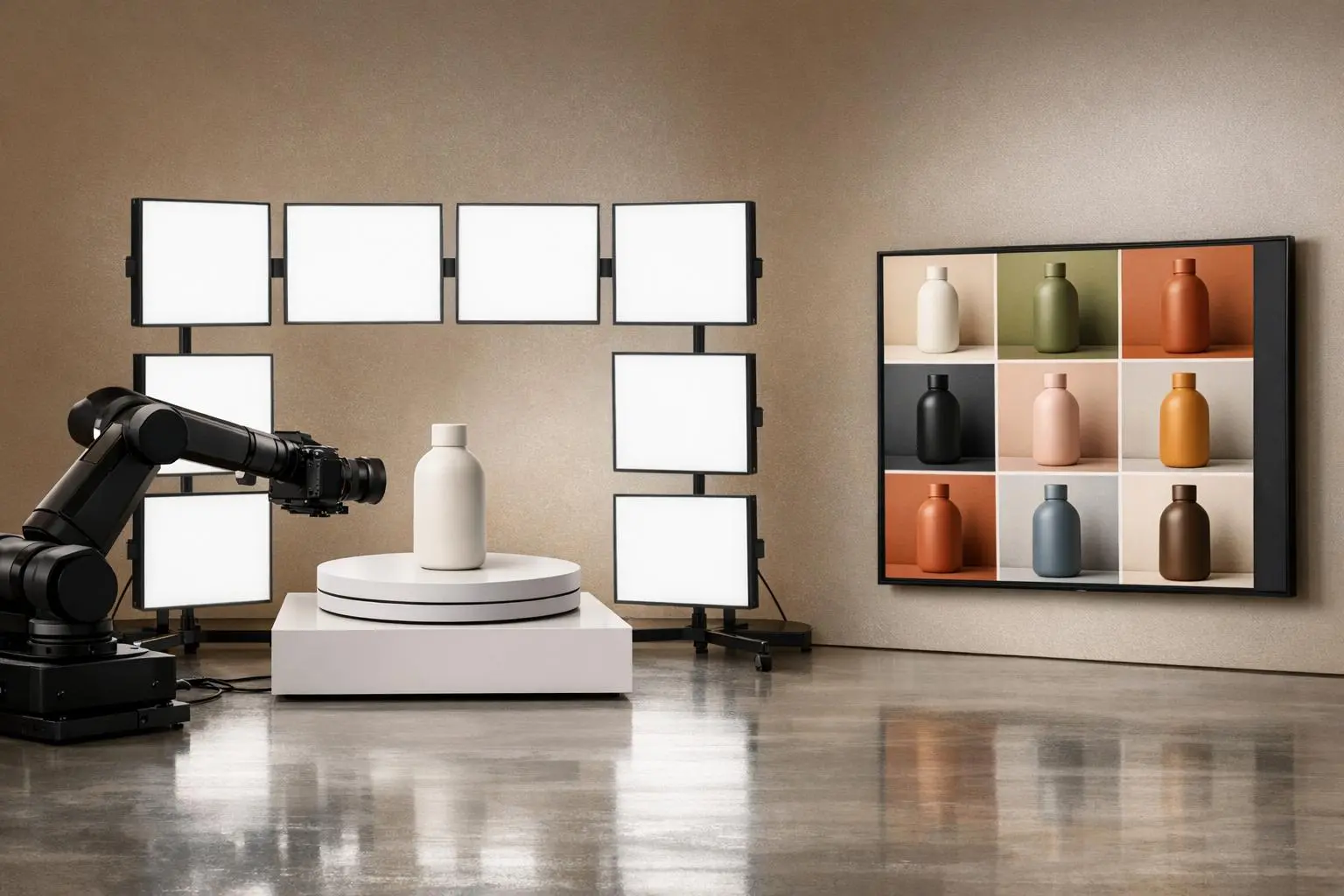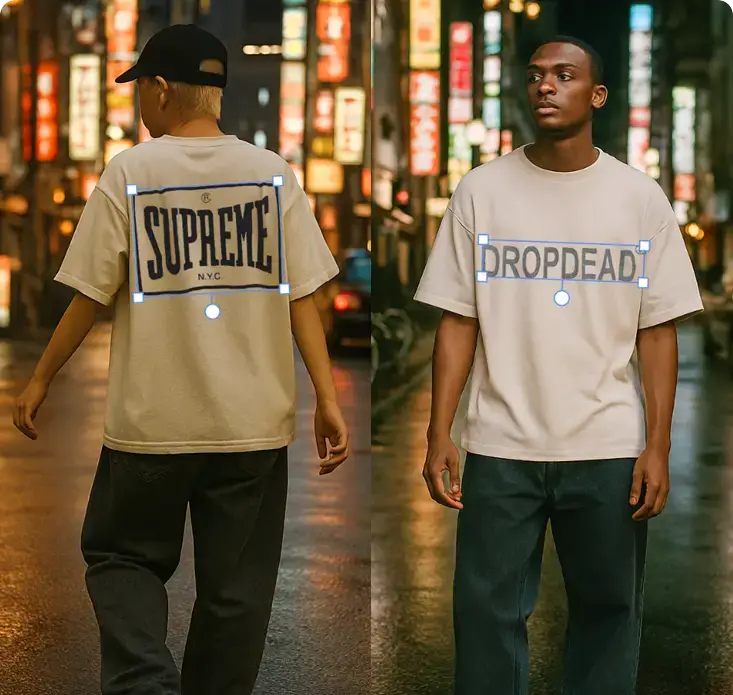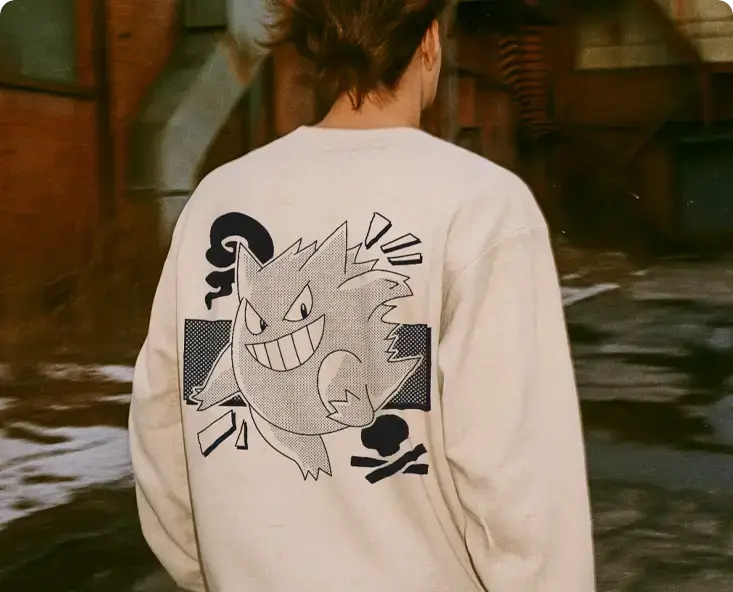
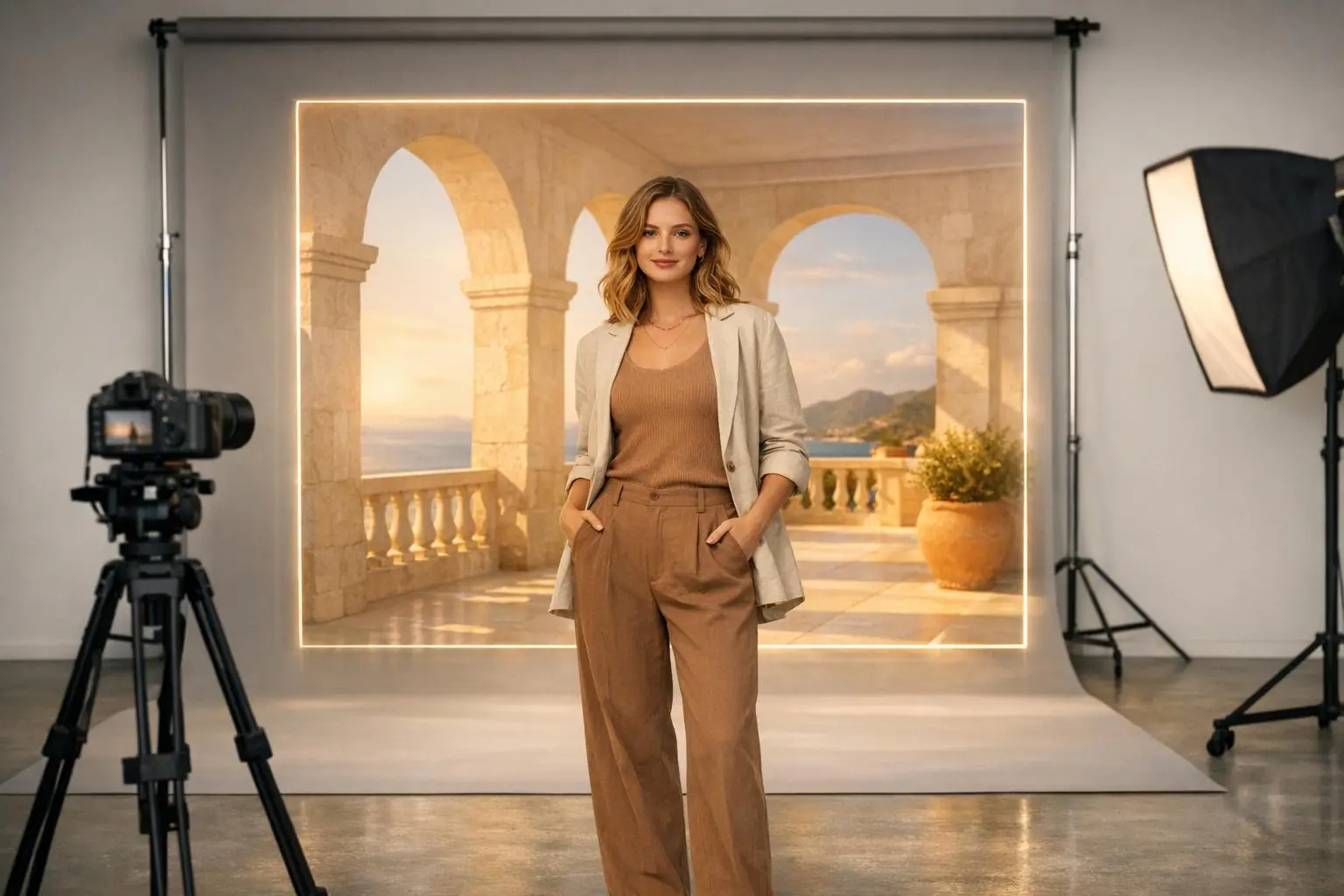
AI-driven 3D location simulation is changing how brands create fashion visuals. Instead of expensive, time-consuming photoshoots, AI can now produce high-quality, photorealistic images in minutes. This approach drastically reduces costs, speeds up production, and offers unmatched flexibility for showcasing products in various settings.
Key Takeaways:
- Cost Savings: AI reduces per-image costs from $80–$150 to just $1–$5.
- Faster Turnaround: Produce images in minutes instead of waiting 2–4 weeks.
- Scalability: Handle large catalogs quickly and affordably.
- Customization: Easily adjust models, backgrounds, and lighting for precise results.
- Consumer Impact: 77% of shoppers can’t tell AI images from traditional photos.
Brands like H&M, Mango, and Levi’s are already using this technology to cut costs, improve efficiency, and create diverse visuals. Platforms like Mock It AI make these tools accessible, offering fast, user-friendly workflows for designers and businesses of all sizes. AI is reshaping how fashion photography is done, making it faster, cheaper, and more flexible than ever.
AI Technologies That Power 3D Simulations
Generative Adversarial Networks (GANs) for Scene Creation
GANs play a major role in crafting lifelike backgrounds from scratch. They take basic 3D layouts and transform them into photorealistic scenes by adding textures, lighting, and materials tailored to specific styles like "Scandinavian" or "modern." This makes it possible for fashion brands to showcase models or products in over 20 different settings, ranging from beachside vistas to urban rooftops or sleek studio interiors. In fact, research indicates that about 78% of clients feel more confident about a design after seeing it as a 3D model. To add even more precision and depth, NeRF technology builds on these capabilities, bringing an extra layer of detail to 3D environments.
Neural Radiance Fields (NeRF) for Detailed Environments
NeRF technology takes 3D simulations to the next level by turning 2D images into fully immersive digital spaces. Using neural networks, it recognizes spatial elements and renders them volumetrically, creating highly detailed environments. With tools like NVIDIA‘s Instant NeRF, these scenes can be generated from 2D images in just seconds. NeRFs excel at mimicking real-world lighting through AI-powered inverse rendering, producing realistic shadows, reflections, and highlights. This allows creators to move virtual cameras freely, capturing any angle without needing to revisit or reshoot physical locations.
"NeRFs provide a way for any consumer to photorealistically see the entirety of an outfit" – Michael Rubloff, Founder and Managing Editor of Radiance Fields
The virtual try-on market, which heavily relies on NeRF technology, was worth $9.17 billion in 2023 and is expected to grow to $46.42 billion by 2030.
sbb-itb-2c1a147
How to Create 3D Location Simulations: Step-by-Step
Building Virtual Models and Adding Clothing
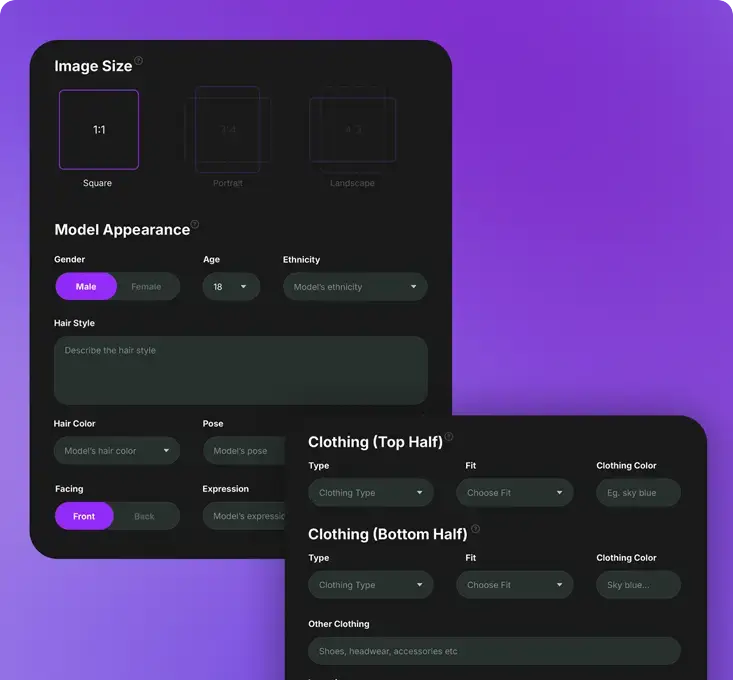
Start by defining your model’s characteristics – things like gender, age, ethnicity, hairstyle, hair color, and facial expression. These details are crucial for creating a consistent visual identity, especially for brands aiming to maintain a unified look across their catalog. Many fashion brands stick to 3 to 5 model personas, reusing them to ensure a polished, professional appearance.
Once your model is ready, clothing is added using 3D mapping technology. This step ensures that uploaded designs – whether flat-lays, invisible mannequin images, or packshots – fit perfectly on the model’s body. The AI maps the fabric onto the model, simulating natural folds and wrinkles for a realistic look. For the best results, use photos that are evenly lit and free of wrinkles. The entire process is surprisingly quick, usually taking less than 30 to 60 seconds.
Customizing and Generating Locations
Next, create your location by providing either text descriptions or reference photos. For example, you can describe a setting like "modern studio" or "outdoor beach", and the AI will generate the scene. If you need more accuracy, you can import a 2D floor plan or a photo of a room to use as a background layer. This allows you to trace walls and set proportions precisely. Once the environment is ready, you can position models anywhere within the scene.
To fine-tune the visuals, you can adjust camera angles, lens settings, and photography styles. These adjustments let you achieve the exact look you’re going for, eliminating the need for costly physical reshoots. With these tools, brands can align every image with their desired aesthetic.
When the scene is set, you’ll also have the ability to tweak lighting and physics for a flawless finish.
Adjusting Lighting, Shadows, and Physics
The technology ensures realistic fabric behavior by applying dynamics like stretching and draping. High-quality PBR (Physically Based Rendering) textures make fabrics respond to light just as they would in real life.
Camera and lens settings play a big role here, affecting the perspective and depth of field. These adjustments directly influence how light and shadows interact within the scene. For example, wide-angle lenses work great for full-body shots in detailed environments, while close-ups are ideal for showcasing fabric textures or intricate design elements. The workflow often involves an iterative cycle: starting with a "model → AI image → refine" process. This allows you to highlight specific areas and regenerate them to fix details like lighting or object placement. This flexible system means you can experiment with different setups without having to start over from scratch.
This AI Creates Fashion Images That Look Like Real Photos (Higgsfield Soul 2.0)
Benefits of AI-Powered 3D Simulations vs. Traditional Shoots
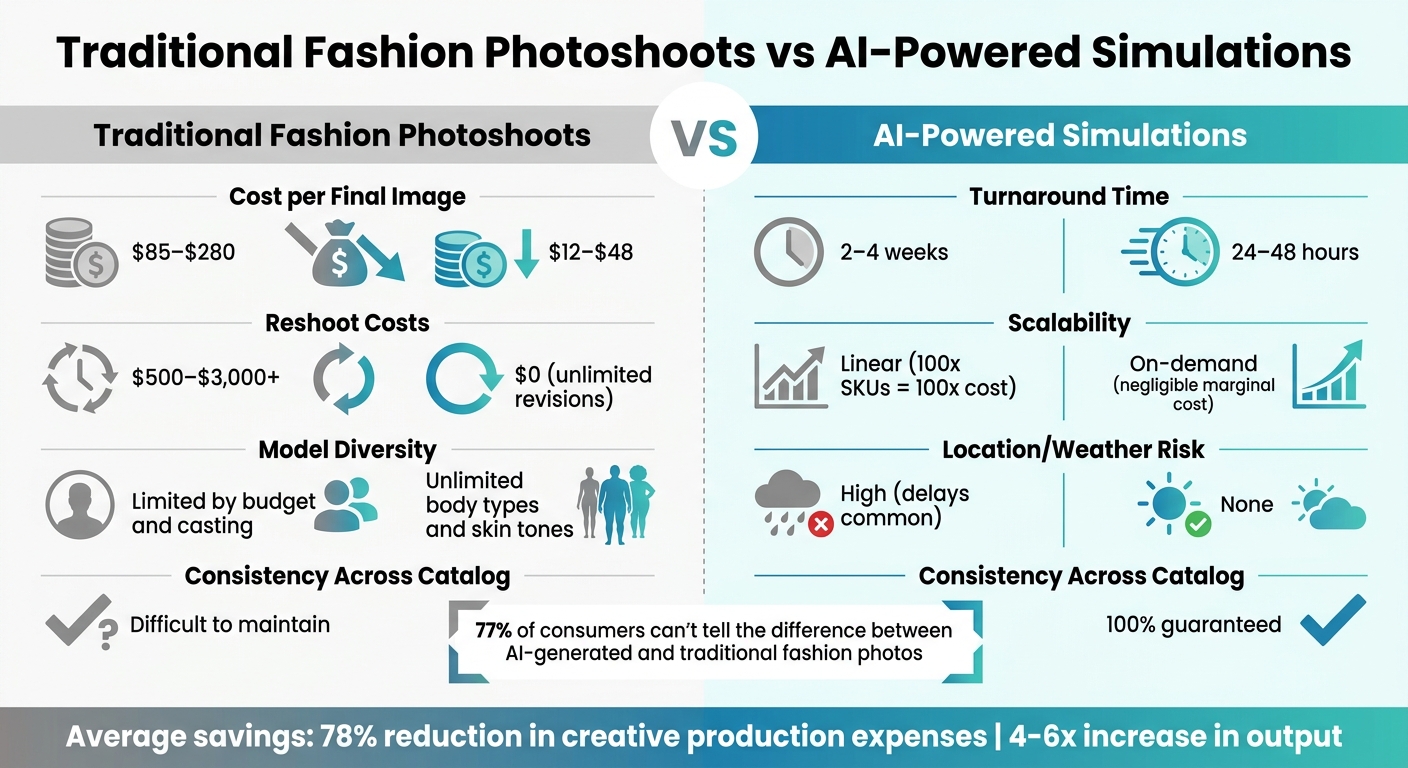
Traditional Fashion Photoshoots vs AI-Powered Simulations Cost and Time Comparison
When you dive into the details of creating and fine-tuning 3D simulations, the advantages over traditional photography become impossible to ignore. This isn’t just about adopting new technology – it’s about revolutionizing the costs and efficiency of producing fashion content. For instance, traditional photoshoots typically cost between $85 and $280 per image, while AI-generated imagery comes in at a much lower $12 to $48 per image. For a mid-market brand, this switch could mean saving around $14,804 annually, which could then be redirected into areas like paid advertising for a better return on investment.
The savings go beyond the obvious. Traditional shoots demand 15 to 25 hours of management time per session, not to mention delays caused by shipping samples or the additional costs of reshoots, which can range from $500 to $3,000 if the results don’t meet expectations. AI-powered workflows eliminate these hidden costs entirely. Brands that have embraced this approach report an average 78% drop in creative production expenses while boosting their output by 4 to 6 times.
Speed is another area where AI shines. While traditional studio shoots can take 2 to 4 weeks from planning to final delivery, AI workflows can produce brand-ready assets in just 24 to 48 hours. Take Zalando, for example: after implementing AI workflows for its Q4 2024 campaigns, the company slashed its imagery production costs by an impressive 90%. This kind of rapid turnaround makes it possible to launch new products on the same day, giving brands a serious edge in today’s fast-paced market.
And here’s the kicker: 77% of consumers can’t reliably tell the difference between high-quality AI-generated fashion images and traditional photography. This means brands can deliver professional, polished visuals without cutting corners on quality or risking customer trust.
Traditional Shoots vs. AI Simulations: A Comparison
| Feature | Traditional Photoshoot | AI-Powered Simulation |
|---|---|---|
| Cost per Final Image | $85–$280 | $12–$48 |
| Turnaround Time | 2–4 weeks | 24–48 hours |
| Reshoot Costs | $500–$3,000+ | $0 (unlimited revisions) |
| Scalability | Linear (100x SKUs = 100x cost) | On-demand (negligible marginal cost) |
| Model Diversity | Limited by budget and casting | Unlimited body types and skin tones |
| Location/Weather Risk | High (delays common) | None |
| Consistency Across Catalog | Difficult to maintain | 100% guaranteed |
Mock It AI: 3D Location Simulation Platform
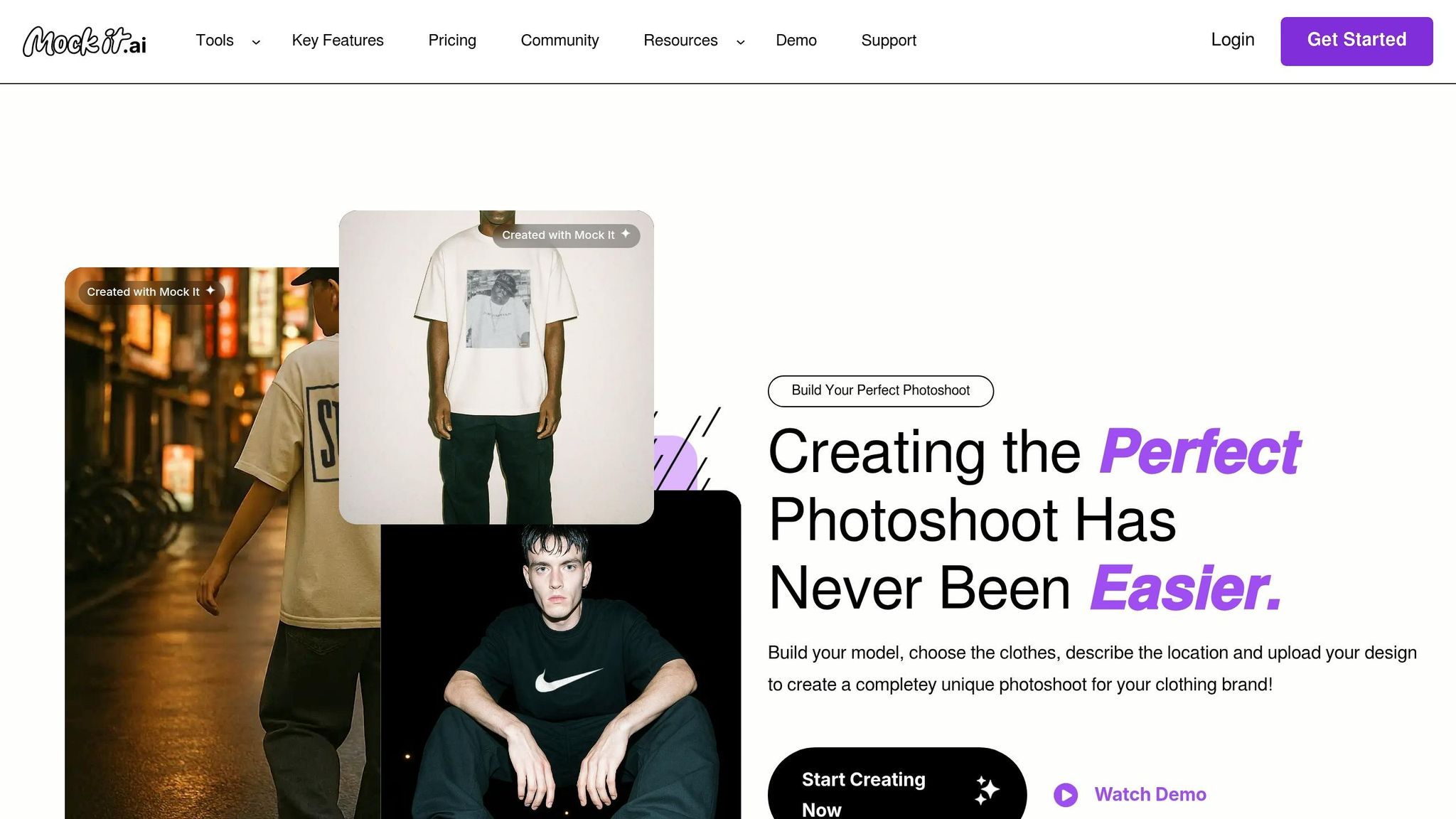
Mock It AI is not just a concept – it’s a tool that over 6,000 fashion designers and clothing brands worldwide use to transform how they create product imagery. This browser-based platform eliminates the need for Photoshop expertise or costly equipment, turning AI-powered photography into a practical, accessible workflow.
Here’s how it works: you start by building a virtual model, dressing it in your designs, and describing the location you want. Within seconds – sometimes as fast as 30 seconds – the AI generates photorealistic mockups, seamlessly integrating your artwork into fabric folds and realistic environments. As Sarah M., a subscriber, shares:
"Mock It AI lets me produce high-quality product images quickly and keep moving. It’s honestly just made my life easier."
Let’s break down how Mock It AI simplifies custom photoshoots.
How to Create Custom Photoshoots on Mock It AI
Mock It AI condenses the photoshoot process into four easy steps. First, you create a virtual model using an intuitive interface. You can customize everything – gender, age, ethnicity, hairstyle, pose, and facial expression – giving you full creative control without the expense of traditional casting.
Next, dress your model by selecting from a wide range of clothing types like t-shirts, hoodies, jeans, and accessories such as hats or shoes. You can tweak fit, color, and styling to match your vision.
The third step is location creation. Simply describe the background you want – whether it’s a bustling city street or a serene architectural setting – and the platform brings it to life. Lastly, upload your design, and the AI integrates it into the scene, wrapping the fabric naturally and realistically. For those new to the platform, tools like the Prompt Builder and AI Moodboard Generator help refine ideas and streamline the process.
This entire workflow is designed to save time and money, making high-quality visuals accessible to everyone.
Mock It AI Pricing Plans
Mock It AI offers subscription tiers to fit a variety of needs, using a credit-based system where 1 credit equals 1 generated image. Here’s a breakdown of the plans:
| Plan | Monthly Price | Credits Included |
|---|---|---|
| Starter | $12/month | 100 |
| Growth | $29/month | 250 |
| Pro | $69/month | 650 |
Each plan includes access to all customization tools and the ability to create custom models. Robert H., another subscriber, highlighted the cost savings:
"I was about to do a small photoshoot last fall. It was going to cost a few hundred dollars… I’m a very happy customer with a few hundred extra dollars in my pocket."
Compared to traditional photoshoots, these subscription costs offer a clear financial advantage, especially for brands that need to produce large volumes of product images every season.
Current Applications and Future Developments
How Fashion Brands Use AI-Driven Simulations
Fashion brands are transforming how they create content by embracing AI-powered 3D simulations. By 2026, it’s expected that 80% of retail executives will integrate AI automation into their visual content workflows, significantly cutting costs compared to traditional photoshoots.
Many brands are adopting hybrid workflows – balancing traditional photoshoots for flagship campaigns with AI simulations for tasks like showcasing product variants, color options, and social media content. This strategy allows brands to maintain an emotional connection in key campaigns while scaling production efficiently. Companies using AI for editing and simulations have reported conversion rate boosts of 30% to 58%.
AI also enables hyper-personalization, dynamically tailoring model demographics – such as ethnicity, age, and body type – based on customer profiles or regional preferences. This capability has helped brands cut physical prototype production by up to 70% while testing new designs digitally.
Several major players are already leveraging these technologies:
- H&M revealed in March 2025 that it’s creating digital twins for 30 human models. These digital replicas will appear across marketing channels, with models retaining ownership and earning compensation for their use.
- Mango launched its first AI-driven campaign in July 2024 for the "Mango Teen" collection, using virtual models to gauge consumer feedback.
- Levi Strauss & Co. partnered with Lalaland.ai in March 2023 to enhance diversity in its e-commerce listings by supplementing human models with AI-generated avatars.
These advancements are already reshaping the industry, setting the stage for even more dramatic changes ahead.
What’s Next for AI-Powered Photoshoots
The next wave of AI innovation promises to push the boundaries of fashion photography even further. One exciting development is neural cloth simulation, which is advancing toward systems that can predict how fabrics will move and drape based on simple images. This eliminates the need for manual adjustments, making it easier to replicate realistic garment behavior.
Another game-changer is agentic AI – systems capable of autonomously planning and executing complex tasks. These smart agents could handle tasks like adjusting lighting, shadows, and physics in 3D environments, removing the need for constant manual intervention. Marinela Profi, AI Marketing Manager at SAS, describes this shift as:
"With generative AI, we’re entering a new era of human and machine interaction".
Multimodal generative models like Gemini 3 Pro and Veo 3 are also making waves. These tools seamlessly combine text, high-resolution images (up to 4K), and cinematic videos with synchronized audio, creating immersive 3D simulations that blur the line between digital and real. The global virtual try-on market, valued at $9.17 billion in 2023, is projected to grow to $46.42 billion by 2030.
Professional standards are shifting as well. Many brands are moving toward 2K and 4K resolution outputs, ensuring that AI-generated visuals meet the quality of traditional photography. Impressively, brands using AI virtual photography have seen a 15–25% drop in return rates, as customers have a clearer idea of how garments will fit.
The future also includes digital twins and likeness licensing, where models can create authorized digital replicas for use across campaigns. This not only addresses ethical concerns but also opens up new revenue opportunities for talent. With the EU AI Act coming into effect in August 2026, there’s also a growing emphasis on clear labeling and disclosure of AI-generated content in marketing.
Conclusion
AI-powered 3D location simulation is reshaping the way fashion brands and independent creators handle product photography. Traditional photoshoots, which often cost thousands of dollars, are now being replaced by AI platforms that generate professional images in under 30 seconds for as little as $12 per month. This isn’t just about cutting costs – it’s about giving creators complete control over every detail, from model features to lighting and background settings.
The impact of this technology is clear across the industry. Brands leveraging AI simulations have reported conversion rate boosts ranging from 30% to 58%, along with a 15–25% drop in return rates. These improvements stem from providing customers with more accurate, realistic visuals of how garments fit. For independent creators, the benefits can feel even more personal. As Tyler K., a verified subscriber, shared:
"I can make images that don’t look homemade, and I can redo them if I change my mind without starting from scratch".
Platforms like Mock It AI are leading this transformation, offering tools that make high-quality fashion photography accessible to everyone. Trusted by over 6,000 fashion designers and brands worldwide, the platform combines advanced 3D mapping with lifelike fabric textures to ensure garments look natural on virtual models. Its user-friendly prompt builder eliminates the need for technical expertise, allowing creators to easily produce high-resolution images in formats like square (1024x1024px), portrait (1024x1536px), or landscape (1536x1024px). Whether you’re designing new pieces, creating social media content, or building an entire product catalog, the process is fast, flexible, and effective.
As technology evolves, features like neural cloth simulation promise even greater levels of realism. But the core advantage remains the same: professional-grade fashion photography is no longer limited to brands with massive budgets. Thanks to AI-driven 3D simulations, creators of all sizes now have the tools to produce consistent, high-quality images, leveling the playing field in the world of fashion.
FAQs
What do I need to upload to generate realistic on-model images?
To generate lifelike on-model images with AI, start by uploading your design or clothing image to the platform. Mock It AI also asks you to create your model and provide details about the setting. With these inputs, the AI can produce tailored photoshoots that present your garment on a model in a realistic and visually appealing way.
How do AI-generated locations stay consistent across a whole catalog?
AI-generated locations help maintain a consistent look across a catalog by using advanced tools to standardize visual elements, environments, and overall style. For example, platforms like Mock It AI allow users to design customizable mockups, making it easier for clothing brands to ensure a unified appearance throughout their collections.
What legal or disclosure rules apply when using AI fashion images?
When incorporating AI-generated fashion images into your work, it’s crucial to clearly state that they are synthetic, particularly if they showcase non-human models. This transparency ensures compliance with New York’s AI disclosure law and helps you steer clear of potential penalties.
It’s also important to note that AI-generated images are not currently covered under U.S. copyright law. However, you still need to adhere to copyright regulations. Depending on the terms of the AI tool you use, proper attribution might also be required. Always review the specific guidelines of your chosen platform to avoid any legal missteps.