The best AI prompts for clothing generation are built on clear, example-driven descriptions of garments, fabrics, and visual context that guide models toward accurate and consistent fashion mockups. By specifying clothing structure, material texture, fit, lighting, environment, and camera perspective, each prompt functions as a complete visual instruction. This approach ensures the generated images reflect realistic proportions, cohesive styling, and professional presentation standards expected in fashion design workflows.
AI is reshaping clothing mockup generation by applying these prompt principles across distinct fashion categories, including formal wear, casual wear, streetwear, activewear, bohemian, vintage, avant-garde, seasonal, cultural, and futuristic styles. Each prompt demonstrates how controlled inputs translate creative intent into context-aware, production-ready visuals, allowing designers and brands to replace physical sampling with flexible, digital visualization while maintaining speed, consistency, and design accuracy.
Formal Wear Prompts
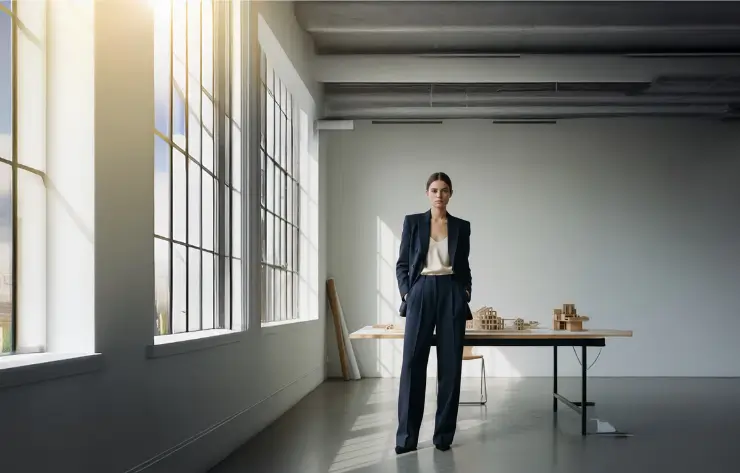
Generating AI clothing for formal wear requires strict control over fabric, fit, style, and lighting to ensure visuals reflect professionalism and the occasion’s intent. Within AI clothing workflows, a clearly structured AI prompt guides the model to generate images with precise tailoring, defined textures, and balanced compositions that align with editorial standards. By specifying garment construction, material behavior, environment, and camera perspective, formal wear prompts help create outputs suitable for fashion editorials, brand catalogs, and design review use cases.
Prompts to generate the best formal wear mockups:
Prompt 1: “A female model wearing a structured double-breasted blazer in navy wool crepe, paired with wide-leg tailored trousers and a silk camisole. The fabric is crisp with sharp pleats. In a minimalist architect’s studio with soft, directional morning light. Shot with a medium format camera, clean and editorial style.”
Prompt 2: “A classic tuxedo with a satin shawl lapel and satin stripe detailing, worn by a male model. The black wool has a subtle sheen. At a gala event with low, warm ambient lighting and sparkling bokeh. Cinematic portrait, shallow depth of field, rich colors.”
Casual Wear Prompts
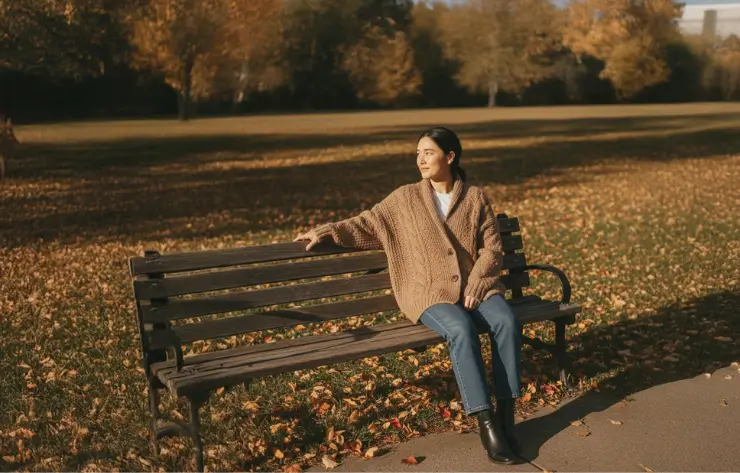
Creating casual wear through AI requires a focus on lived-in aesthetics and approachable comfort that mirrors everyday clothing use. Effective AI prompts emphasize the tactile qualities of natural fabrics such as organic cotton and chunky knits, enabling the model to generate images with believable texture and a relaxed fit. Soft, ambient lighting and informal environments support authenticity, helping the visuals feel relatable and human-centered. These prompts are well-suited for lifestyle branding, lookbooks, and retail visualizations where comfort, familiarity, and real-world wearability define the clothing style.
Prompts to generate the casual wear mockups:
Prompt 1: “A person wearing a relaxed, unisex chore jacket in heavy indigo denim, over a white organic cotton tee, with beige canvas utility pants. The fabrics are textured and slightly broken-in. In a sunlit, rustic coffee shop with natural light. Documentary photography style, authentic and candid. “
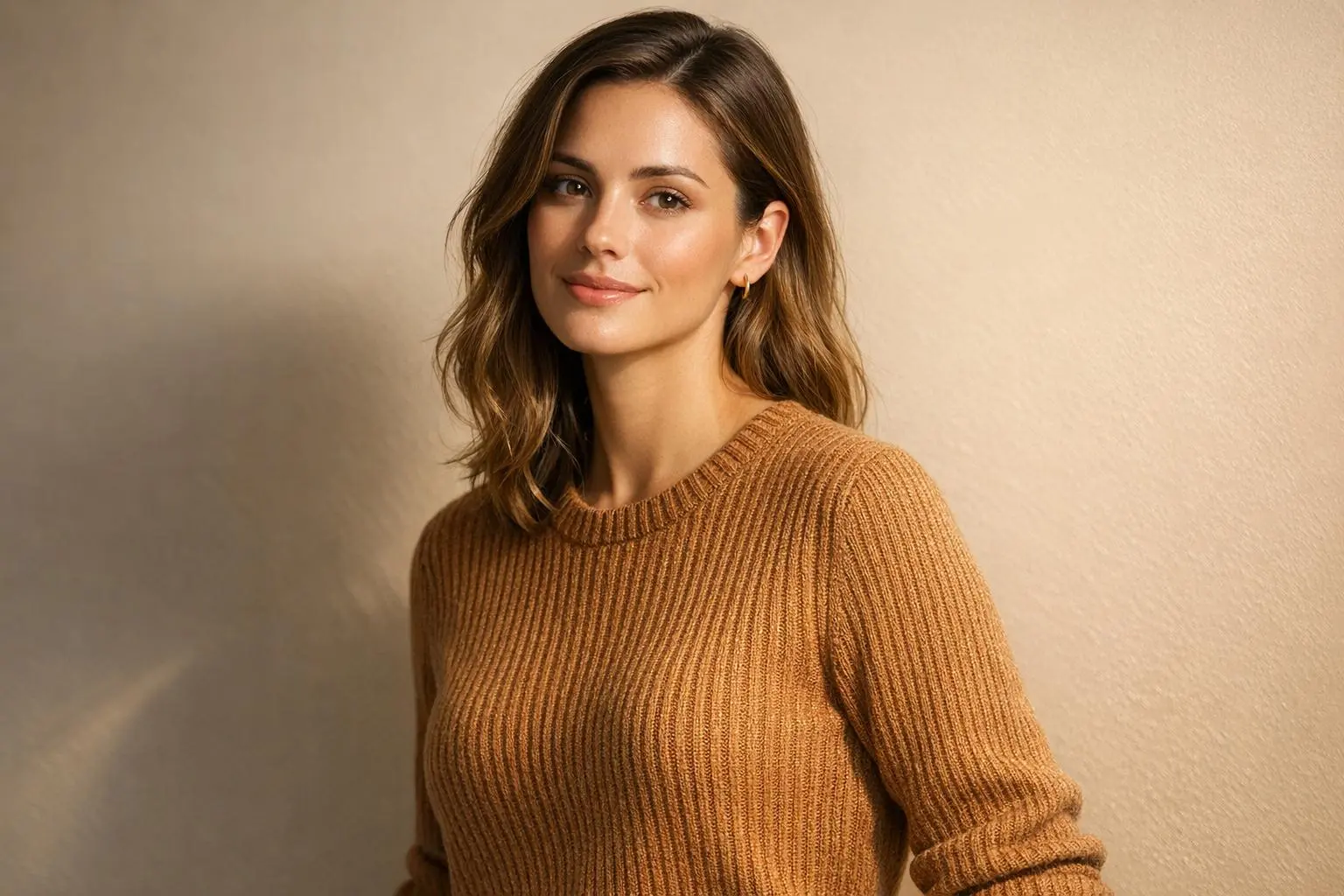
Prompt 2: “A cozy, oversized knit cardigan in a chunky cable stitch over straight-leg jeans. Soft merino wool texture. Sitting on a park bench in autumn, golden hour lighting. Warm, nostalgic photo filter, slightly grainy.”
Streetwear Prompts
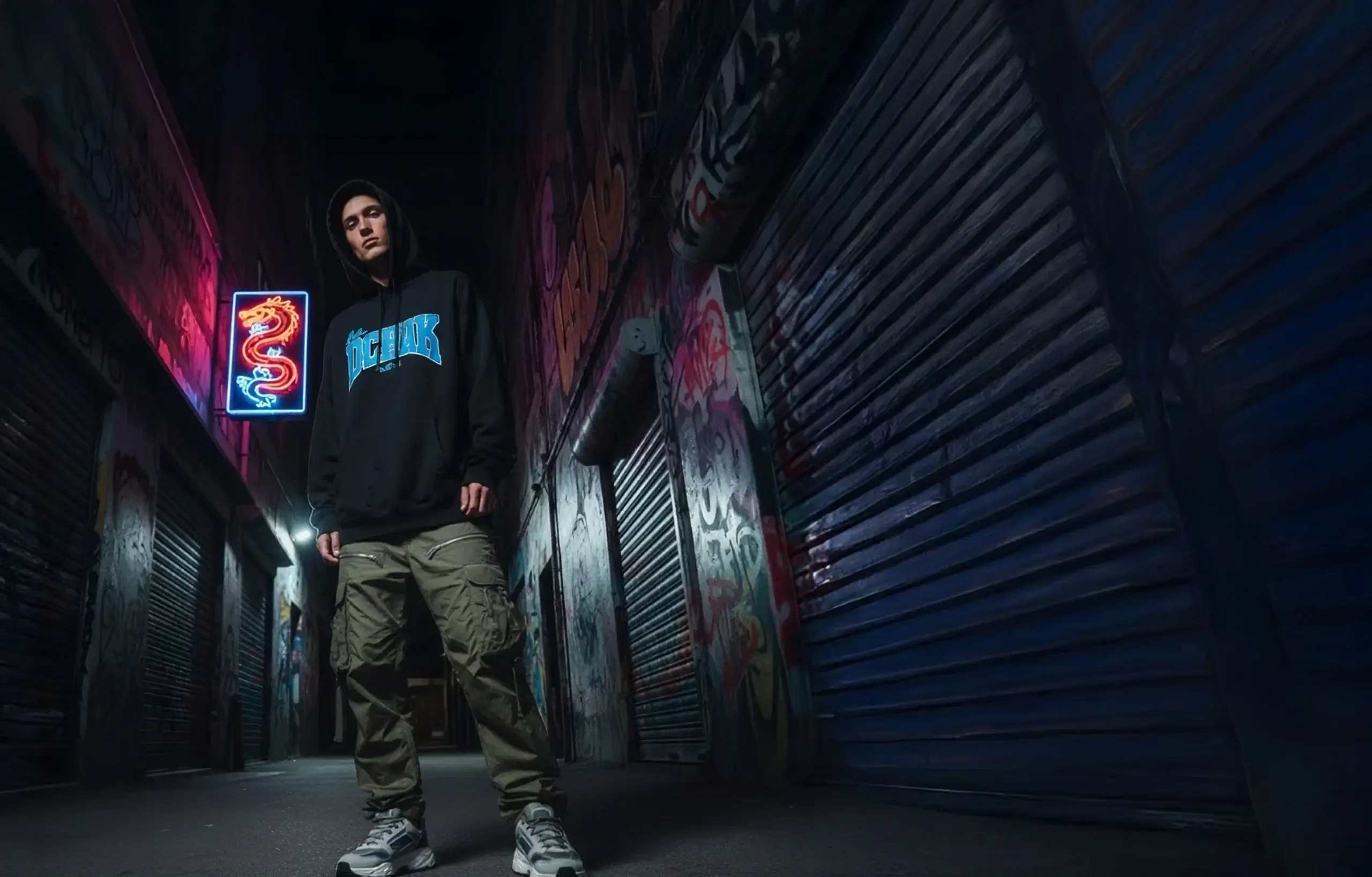
Streetwear AI prompts guide generative systems by clearly defining style, fit, fabric, and mood within an urban fashion context. Effective prompts describe oversized or layered silhouettes, modern materials such as tech-wear fabrics, and controlled color palettes from muted tones to bold accents. Urban environments, such as alleyways or rooftops, anchor the clothing setting, while camera angles and contrast shape the visual impact. This structure enables the model to generate high-quality streetwear visuals aligned with contemporary fashion trends.
Prompts to generate the best streetwear mockups:
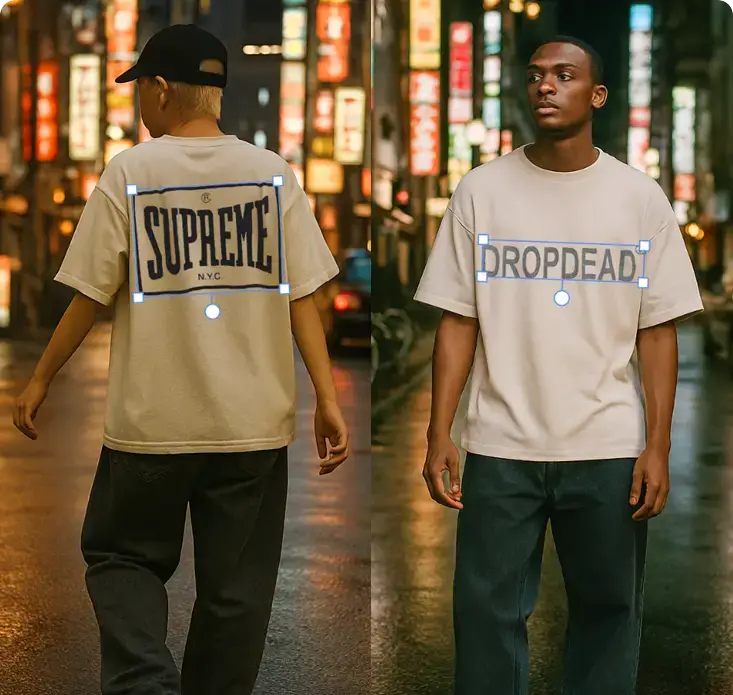
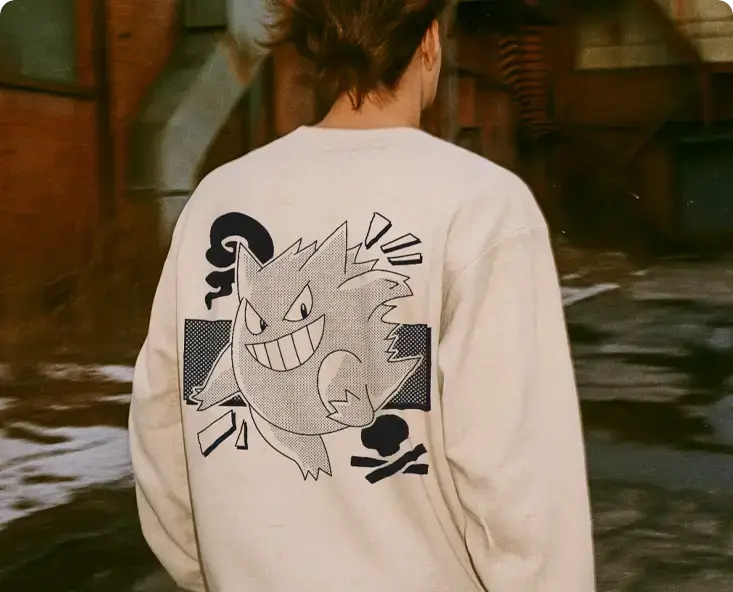
Prompt 1: “A street style model in an oversized, distressed graphic hoodie with a bold, screen-printed logo, baggy cargo pants with multiple pockets. Heavy cotton fleece and technical nylon. In a gritty downtown alleyway with graffiti, a neon sign glows. Shot with a dynamic low-angle, flash photography, and high contrast. “
Prompt 2: “Hiking-inspired tech sneakers with baggy sweatpants and a futuristic puffer vest. Matte synthetic materials and mesh panels. On an urban rooftop at dusk, the city skylineis in the background. Cyberpunk aesthetic, vibrant and saturated.”
Activewear Prompts
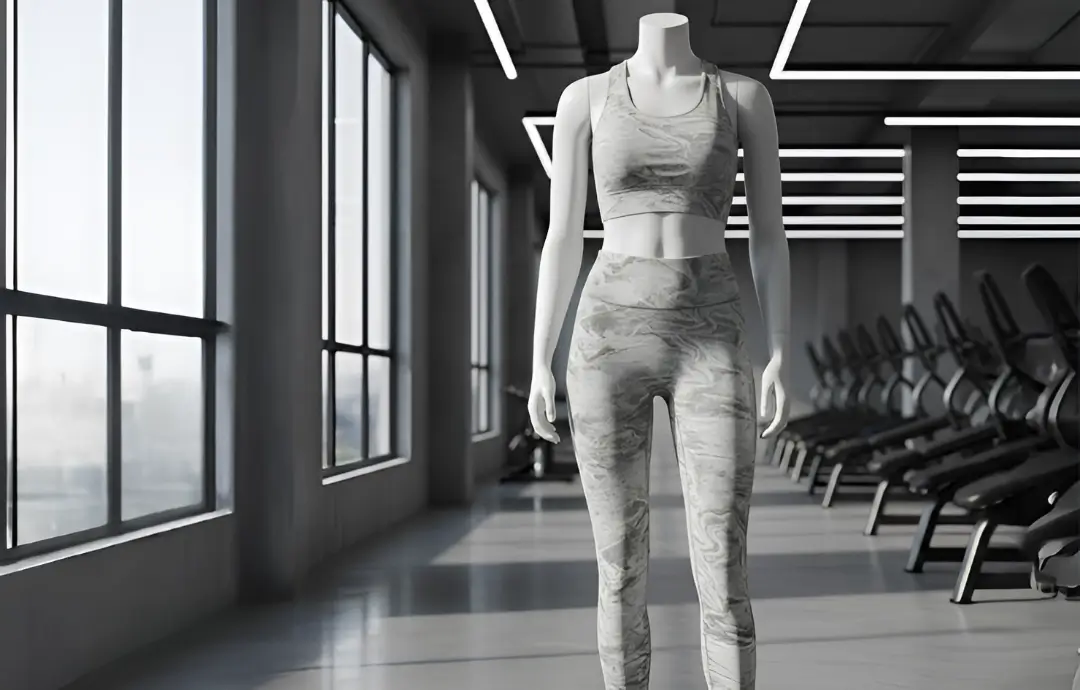
In the realm of activewear, AI clothing prompts connect textile engineering with visual storytelling to simulate photorealistic, performance-driven apparel. Effective prompts emphasize technical garment properties such as the elasticity of high-waisted sculpting leggings and the breathability of moisture-wicking mesh, combined with dynamic activity settings. By defining material behavior, anatomical fit, and movement context, these prompts guide the AI to render images that convey motion and technical function for sport-focused catalogs and digital prototyping.
Prompts to generate the best activewear mockups:
Prompt 1: “A fitness athlete wearing high-waisted, sculpting leggings with a subtle marble print and a seamless, racerback sports bra. Sweat-wicking, second-skin textured fabric. In a bright, clean gym with dramatic lighting. Sharp, high-detail product shot on a mannequin.”
Prompt 2: “A full-zip running jacket with reflective strips over compression tights. Lightweight, crinkly nylon. In a foggy forest trail at sunrise, misty atmosphere. Action shot, motion blur in the legs, focused on the jacket.”
Bohemian Prompts
The Bohemian clothing generation relies on fluid silhouettes, textured materials, and relaxed styling to convey an artistic, free-spirited aesthetic. Well-defined AI prompts help generate images with soft fabric movement, layered details, and warm natural lighting in open or cultural settings. By controlling garment elements and environment, bohemian prompts support visuals suited for creative collections and seasonal fashion storytelling.
Prompts to generate the best bohemian mockups:
Prompt 1: “A woman in a flowy, maxi tiered dress with a delicate paisley embroidery pattern, bell sleeves. Lightweight cotton voile and lace trim. At a desert festival during golden hour, the dusty air. Ethereal, soft-focus photography, dreamy style.”
Prompt 2: “A crochet lace halter top paired with wide-leg, flared denim jeans and a suede fringe bag. Textured, artisanal fabrics. In a sun-drenched bohemian market. Film photography style, warm tones, slight vignette.”
Vintage Prompts
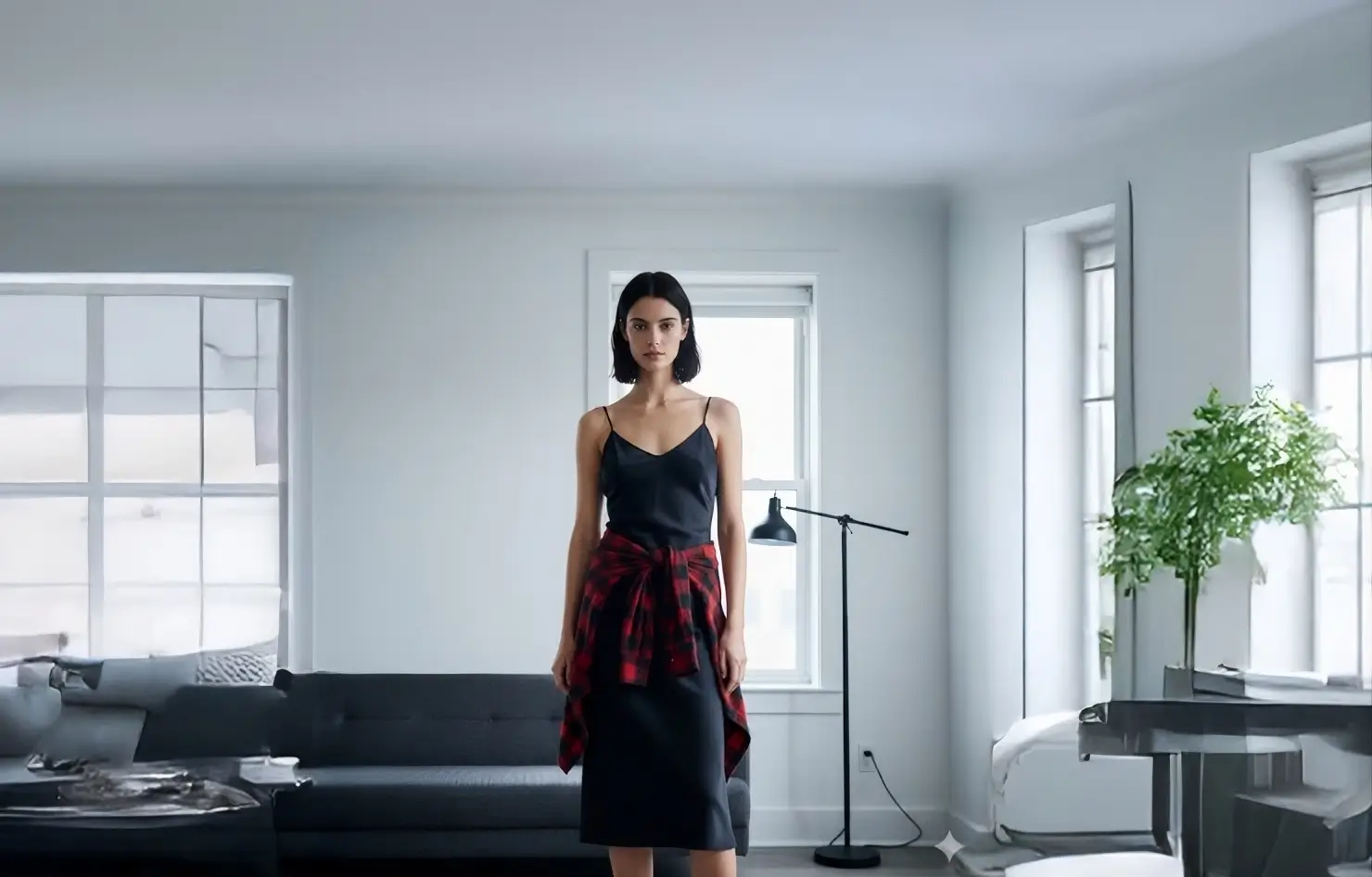
Creating vintage-inspired clothing with AI requires combining specific era-based keywords with descriptive details about fabrics, silhouettes, and photography styles. The best prompts often mix elements such as “1950s” with velvet, soft lighting, and clearly defined garment types to anchor the visual output in a historical context. Effective vintage prompts also guide camera behavior by simulating analog traits such as 35mm film grain, faded color grading, or muted contrast, helping the AI generate images that feel period-accurate and visually authentic.
Prompts to generate the best vintage wear mockups:
Prompt 1 (1970s): “High-waisted, wide-leg flared trousers in brown corduroy, with a polyester printed button-up shirt. Rich 70s color palette (mustard, rust). In a retro living room with shag carpet. Shot with a vintage 35mm camera, with a faded film look.
Prompt 2 (1990s): “A minimalist slip dress in black satin, with an oversized plaid flannel shirt tied around the waist. Contrast of sleek and grunge textures. In a 90s minimalist apartment. Straight-on fashion editorial, cool tones.”
Avant-garde/Conceptual Prompts
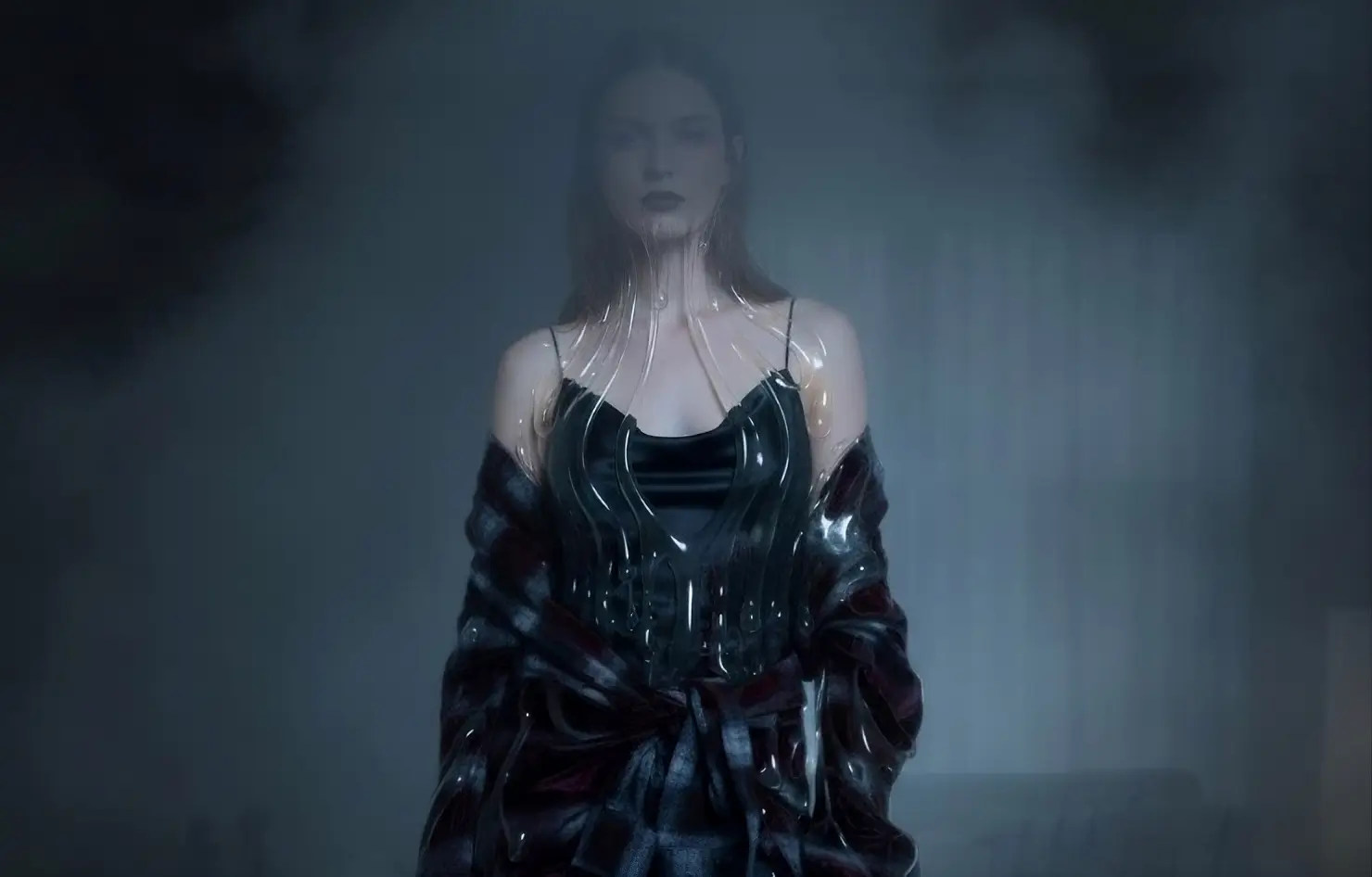
The avant-garde category challenges AI systems by emphasizing experimental garment construction, architectural silhouettes, and non-traditional materials such as molded acrylic or liquid-silicone textures. These prompts intentionally shift away from commercial realism and toward conceptual expression, treating clothing as a sculptural form. By specifying stark, minimalist environments, precise shadow control, and a dramatic camera angle, avant-garde AI prompts guide the model to generate images that prioritize abstraction, material contrast, and visual impact over everyday wearability.
Prompts to generate the best avant-garde/conceptual mockups:
Prompt 1: “An asymmetric, architectural jacket constructed from iridescent, molded acrylic panels, connected with silver chainmail. Hard, reflective surfaces. On a bare concrete runway against a stark white cyc wall. High-fashion editorial, stark lighting, dramatic shadows.”
Prompt 2: “A garment that appears to be melting, blending clear silicone and burnt velvet. Organic, decaying texture. In a surreal, fog-filled dark space. Conceptual art photography, haunting and beautiful.”
Seasonal Wear Prompts
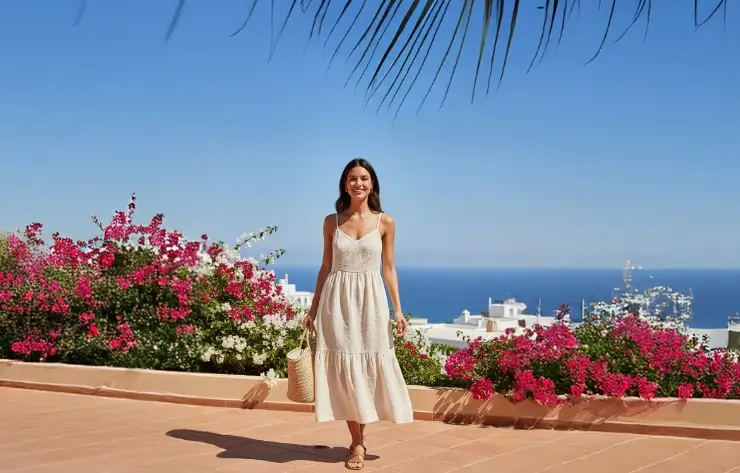
Seasonal wear prompts illustrate how environmental conditions influence fabric choice, garment weight, and overall styling. Effective seasonal wear AI prompts align breathable, lightweight materials such as summer linen with bright, sunlit settings, while pairing heavier wool fabrics with winter atmospheres like snowfall or low evening light. By synchronizing seasonal cues, climate conditions, and material behavior, these prompts guide the generative AI models to generate images that reflect functional clothing design and an accurate visual mood for seasonal campaigns and collection planning.
Prompts to generate the best seasonal wear mockups:
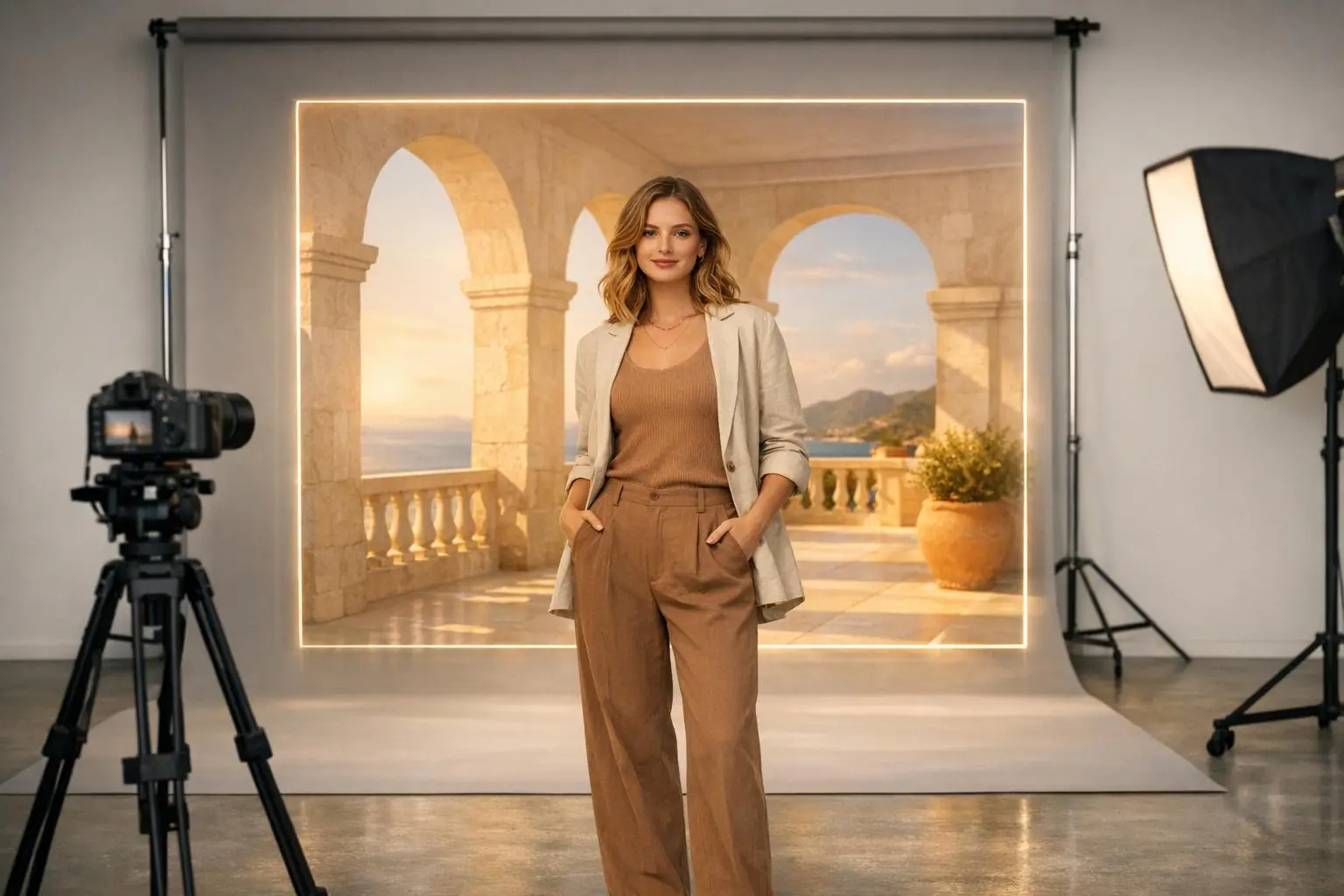
Prompt 1 (Summer): “A strappy linen sundress in ecru with eyelet embroidery. Breathable, wrinkled linen texture. On a sun-drenched Mediterranean terrace, bright and airy. Lifestyle photography, vibrant and sunny.”
Prompt 2 (Winter): “A long, textured wool blend coat with a wide shawl collar, over a turtleneck and leather gloves. Heavy, cozy fabric. In a snowy city street at night, lit by warm street lamps. Cozy, atmospheric, with falling snow”.
Cultural/Traditional Prompts
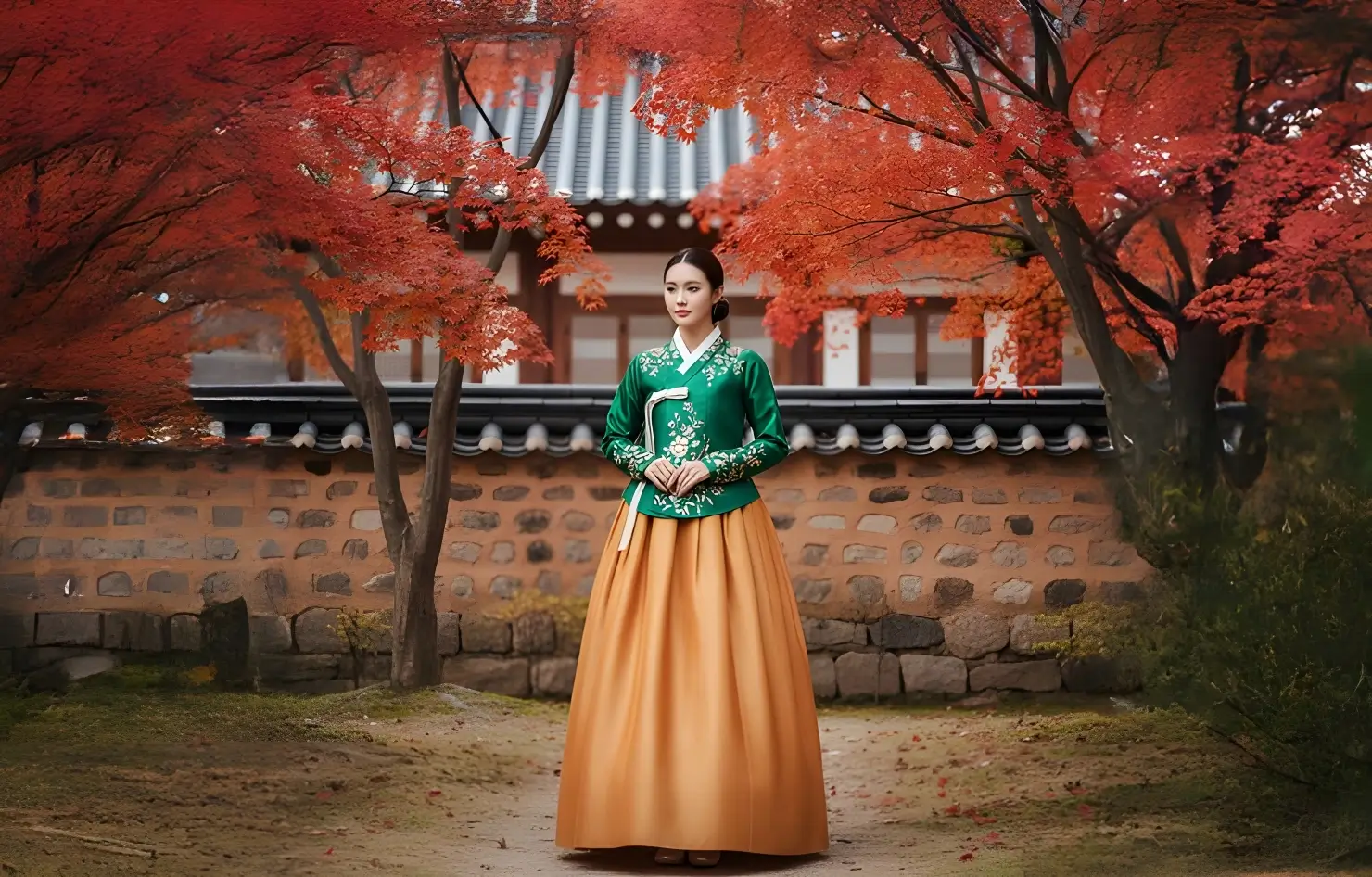
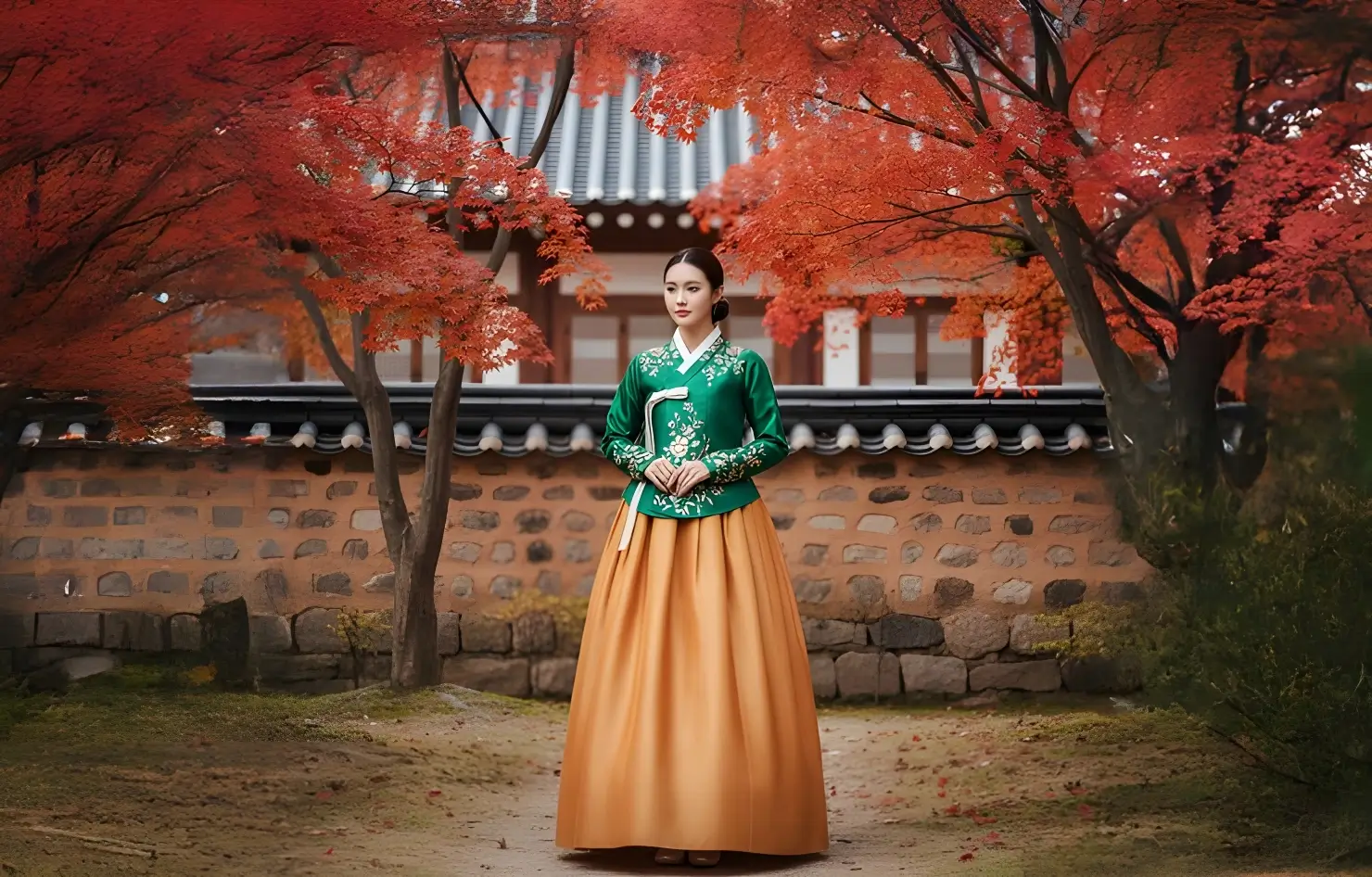
Generating traditional clothing with AI requires carefully structured prompts that precisely define specific garments, fabrics, colors, and cultural contexts. Well-crafted instructions place strong emphasis on heritage craftsmanship, highlighting details such as intricate embroidery, silk fabric construction, or hand-stitched textile patterns. By situating garments such as Hanbok silhouettes or Kantha embroidery in serene, culturally relevant settings, these prompts guide the model to generate images that preserve authenticity, showcase material artistry, and present traditional attire with dignity and historical awareness.
Prompts to generate the best cultural/traditional mockups:
Prompt 1: “A modern interpretation of a Korean Hanbok, featuring a vibrant jeogori (jacket) in silk satin and a fluid, simplified chima (skirt). Luxurious silk with delicate embroidery. In a serene, traditional garden with maple trees. Elegant and respectful, focused on garment details.”
Prompt 2: “The intricate geometric embroidery (kantha) on a white cotton Bengali Kurti. Hand-stitched texture on soft cotton. Close-up, flat lay detail shot on a neutral background. Sharp macro photography, highlighting craftsmanship.”
Futuristic Prompts
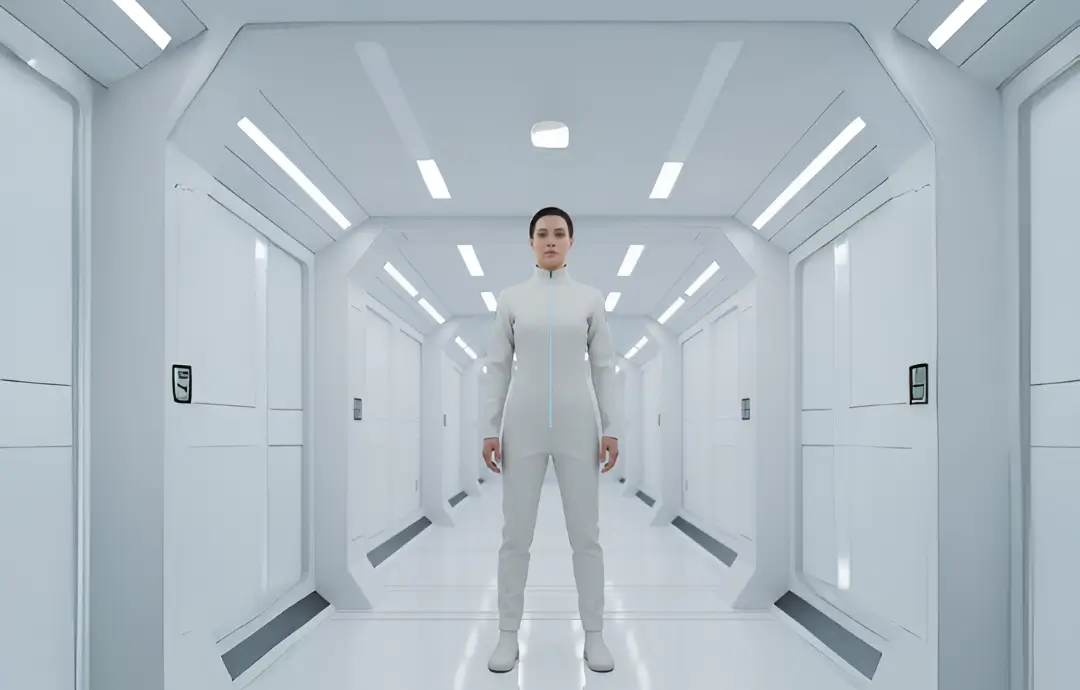
Futuristic fashion prompts draw on science fiction aesthetics, blending techwear elements with high-fashion silhouettes and experimental construction. These AI prompts specify advanced materials, such as LED-integrated textiles, holographic surfaces, and self-cleaning nanofibers, to signal technological progress in clothing design. By pairing innovative fabrics with sleek environments, clean lighting, and cinematic composition, the prompts guide the model to generate high-fidelity images that resemble cyberpunk productions or next-generation aerospace-inspired fashion concepts.
Prompts to generate the best futuristic mockups:
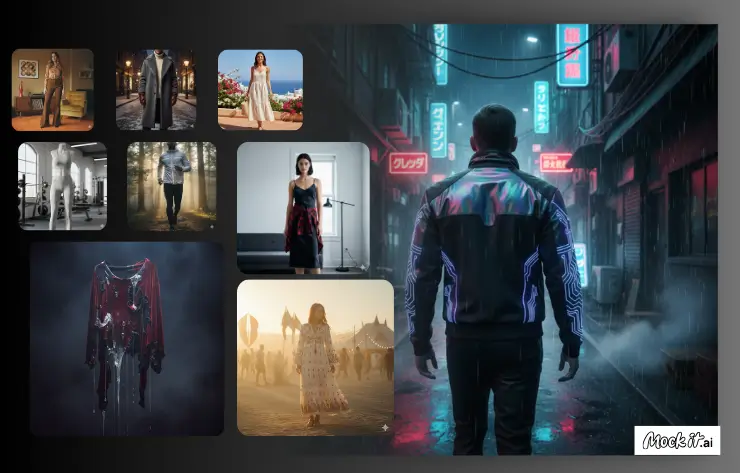
Prompt 1: “A cyberpunk-inspired jacket with illuminated, glowing LED circuit traces woven into the sleeves, over a base layer of sleek neoprene. Matte black tech fabric with holographic elements. In a rain-soaked, neon-lit Tokyo alleyway. Blade Runner style, cinematic, volumetric lighting.”
Prompt 2: “A monochromatic, sleek jumpsuit with a magnetic closure system and seamless styling, made of self-cleaning nanofiber fabric. In a sterile, white spaceship corridor. Clean 3D render style, hyper-realistic, sharp focus.”
Why AI Clothing Generation is Gaining Popularity?
AI clothing generation is gaining popularity due to its speed, efficiency, hyper-personalization, customization, market analysis, and sustainable design solutions. It enables fashion teams to generate images quickly, refine clothing concepts digitally, and visualize multiple design variations without physical sampling. By relying on structured AI prompts, brands and designers improve creative output while reducing time, costs, and material dependence throughout the design workflow.
4 major reasons why AI clothing generation is gaining popularity are:
- Speed and Efficiency
Generative AI design tools allow designers to bypass weeks of manualsketching, pattern-making, and conceptualization. By inputting descriptive prompts, design teams can generate high-fidelity 3D renders and blueprints in seconds, accelerating the design-to-production cycle. Additionally, according to McKinsey, AI integration can reduce product development and design cycles by up to 95%, allowing brands to respond to trends in near-real time.
- Hyper-Personalization and Customization
Beyond mass production, generative AI enables brands to deliver personalized clothing experiences at scale through customization and virtual try-on capabilities. Customers can influence garment design choices, such as fabric, color, and fit, while virtual try-on systems simulate how apparel fits their bodies. This approach allows brands to generate accurate clothing visuals that reflect personal style preferences, improve purchase confidence, and reduce fit-related returns.
- Trend Prediction and Market Analysis
AI models analyze millions of data points across social media platforms, e-commerce behavior, and runway collections to detect emerging styles, silhouettes, and color directions. By processing visual and textual signals at scale, these systems reveal shifting consumer preferences and early momentum in trends. Fashion teams use these insights to guide clothing design, merchandising, and timing decisions, reducing reliance on intuition and aligning collections more closely with real-time market demand.
- Sustainable Design Solutions
By analyzing trend signals and consumer demand, AI enables fashion brands to forecast inventory more accurately and reduce overproduction. Digital clothing generation lowers environmental impact through virtual sampling and optimized fabric layout simulation, limiting material waste before manufacturing. As per World Fashion Exchange, AI-driven demand forecasting and inventory management can reduce excess stock by up to 30%, while digital prototyping can cut sampling waste by nearly 60%, helping brands avoid the overproduction trap.
How to Write Good AI Prompts for Quality Clothing Image Generation?
To write a good AI prompt for quality clothing image generation, it is important to clearly define the garment, the scene in which it appears, and the visual direction guiding the image. Attention to artistic style, lighting, camera perspective, and technical specifications helps the AI produce outputs that are visually accurate, consistent, and aligned with the intended design concept.
Here is a step-by-step process for writing effective AI prompts for high-quality clothing image generation.
- Start with specific garment details
Define the clothing item using clear design attributes, fabric, color, and structure, and avoid generic terms such as stylish dress or modern outfit. Instead, use precise descriptions like “vibrant, emerald green satin wrap dress with a deep V-neck and draped sash,” shown while “walking confidently down a rainy, neon-lit Tokyo street at night,” with “reflections in wet pavement” and a “moody, cyberpunk color palette.”
- Define the scene and context clearly
Place the clothing in an environment such as a city street, studio, or natural setting that justifies its style. For example, a tailored blazer works well in a minimalist design studio with controlled lighting, while streetwear feels more authentic on a graffiti-lined urban street or rooftop. Defining the environment helps the AI understand how the clothing should behave, fit, and visually interact with its surroundings.
- Control all visual details precisely
Go beyond the garment by defining secondary environmental effects that interact with the clothing and ground the image in reality. These details help the AI understand mood, surface interaction, and visual depth. For example, “reflected in wet pavement,” “moody, cyberpunk color palette,” or “soft mist diffusing neon light.” Such cues reduce flat outputs and improve realism, atmosphere, and visual coherence.
- Reference specific artistic styles
Guide the AI’s aesthetic direction by mentioning clear fashion movements, eras, or design influences. References such as “minimalist Japanese aesthetic,” “Victorian-inspired tailoring,” or “90s grunge styling” help the model interpret silhouette, proportion, and mood. You can also specify presentation styles like editorial, cinematic, documentary, or conceptual to ensure visual consistency across the generated images.
- Detail the lighting and atmosphere
Lighting defines how fabric texture, color, and depth are perceived in the final image. Use precise terms to control mood and realism, such as “volumetric lighting,” “soft morning glow,” or “high-contrast chiaroscuro.” Describing light quality, direction, and intensity helps the AI render materials accurately and establishes emotional tone.
- Specify the camera angle and viewpoint
Direct the shot the way a professional photographer would to control composition and visual emphasis. Use terms like “low-angle shot” to convey power and dominance, “close-up macro” to highlight fabric texture and stitching, or “wide-angle lens” to capture full-body silhouettes within an environmental context. A clear viewpoint direction ensures consistent framing and a focus on the garment.
- Include technical image specifications
Add technical details that influence image quality and realism, such as depth of field, lens type, focal length, or render resolution. Instructions like “shallow depth of field,” “medium format look,” or “high-resolution cinematic render” help the AI produce outputs with sharper detail, controlled background separation, and professional-grade visual consistency.