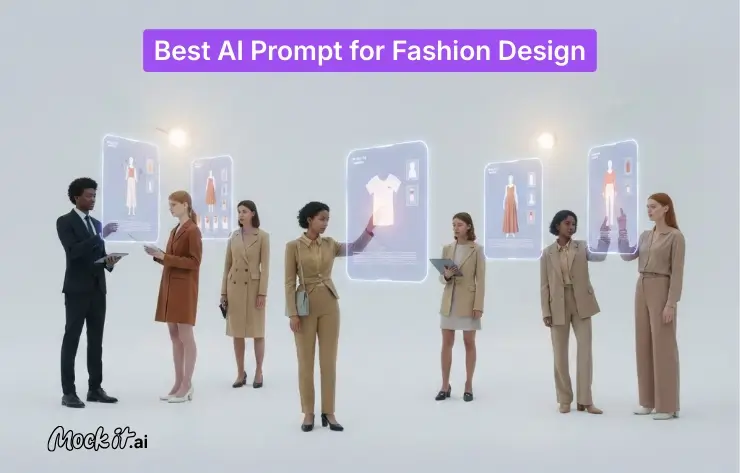
AI prompts for fashion design offer a structured and flexible way to visualize clothing concepts across haute couture, ready-to-wear, mass market, fast fashion, and bridal categories before physical production begins. By clearly defining garment construction, fabrics, silhouettes, styling elements, environments, and artistic direction, these prompts enable AI models to generate visuals that reflect both creative intent and real-world wearability.
Designers and brands use AI fashion prompts to test trends, validate ideas, and refine presentations without the time and cost of repeated sampling. From image-driven platforms to concept-focused tools, AI prompts support faster iteration, consistent brand expression, and informed decision-making, making them a practical asset for modern fashion workflows.
Haute Couture Fashion Prompt
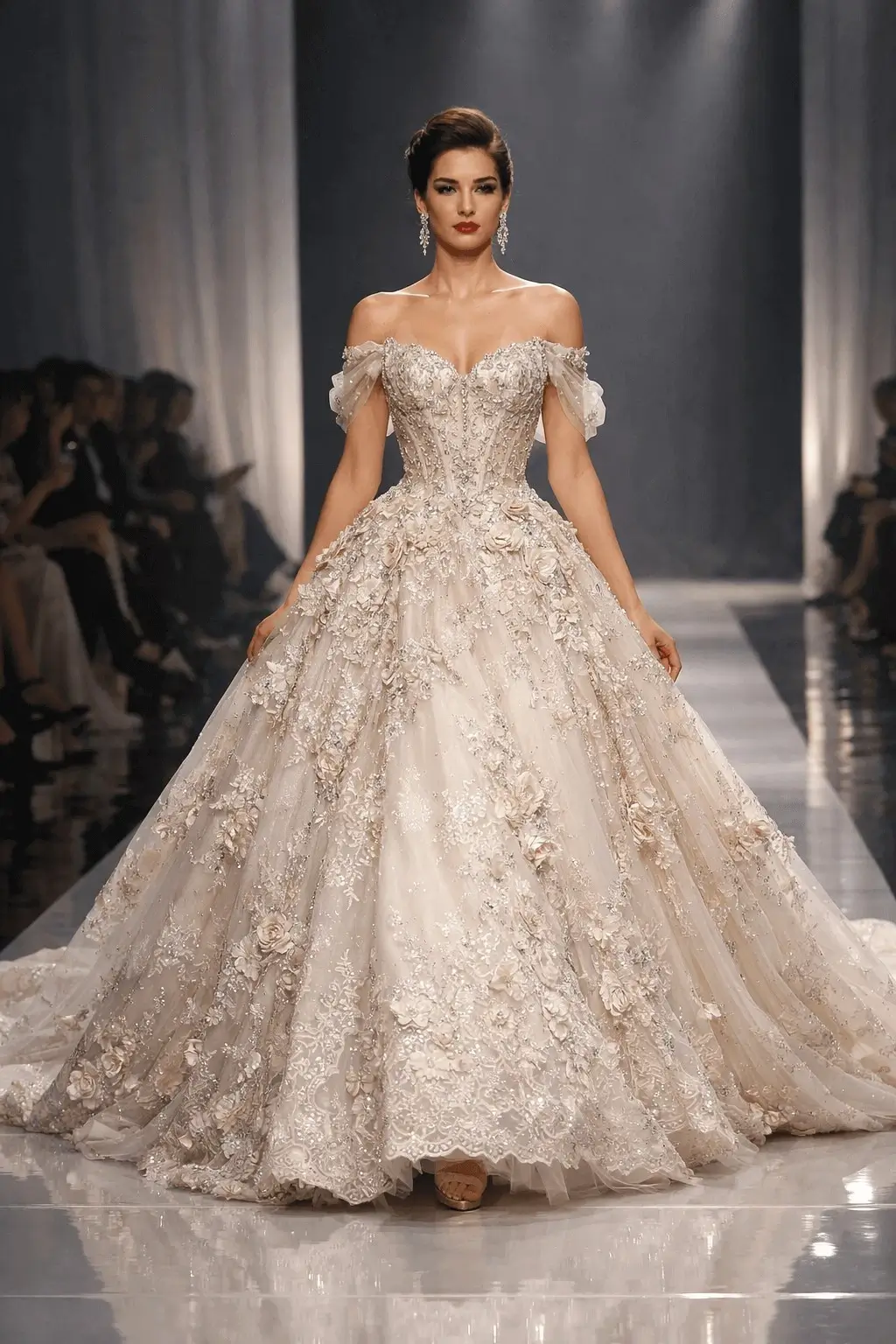
Haute couture means high dressmaking in French and refers to exclusive, custom-fitted high fashion garments created through precise craftsmanship and artistic control. These garments are handmade from luxurious fabrics such as silk, satin, and lace, with meticulous attention to fit, texture, and construction details. In an AI-driven context, a haute couture fashion prompt functions as a structured instruction that defines garment elements, model features, lighting, and runway settings. This structure allows AI models to generate images that visually represent couture-level quality while preserving design accuracy and artistic intent.
Prompt:
Create a stunning Haute Couture fashion show scene, featuring an elegant model wearing a lavish, custom-made dress. The gown should be intricately designed with luxurious fabrics such as silk, satin, and lace, adorned with exquisite embroidery, beading, and delicate floral details. The model should exude grace, wearing dramatic makeup and styled hair. The runway should have a sophisticated, high-fashion ambiance, with soft lighting and a sleek, minimalist background that emphasizes the grandeur of the couture dress.
Ready To Wear Fashion Prompt
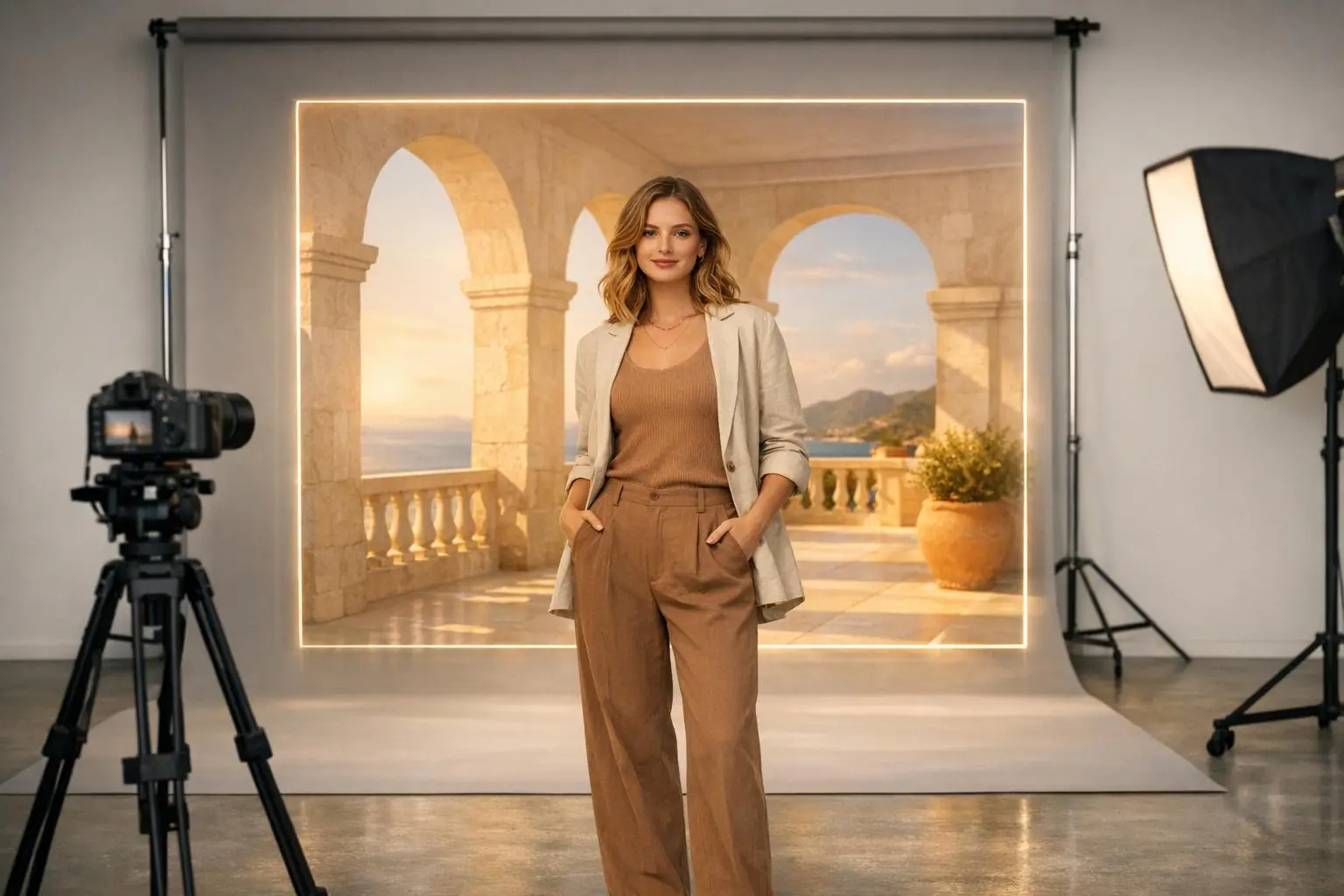
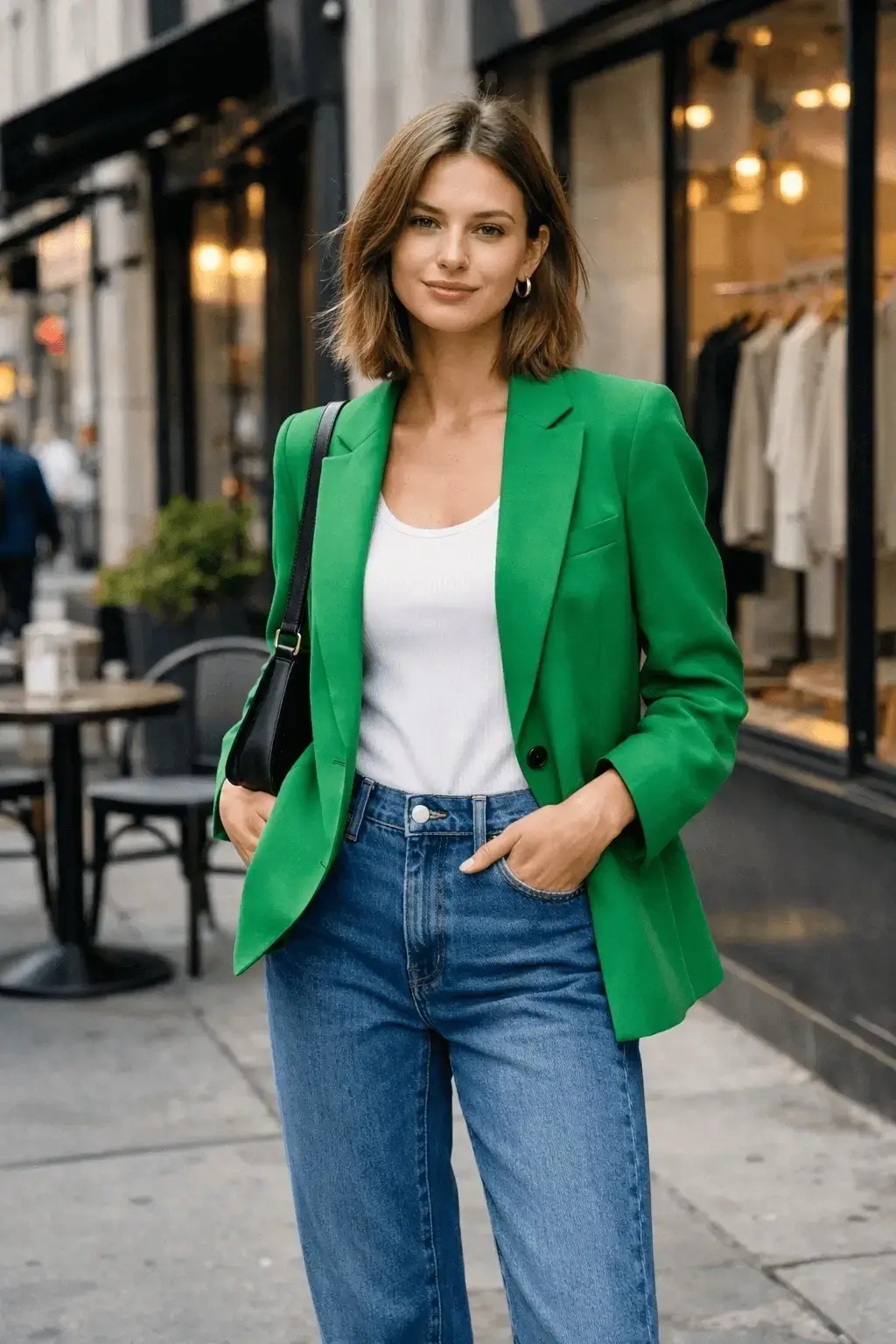
Ready-to-wear (RTW) bridges the gap between high fashion and everyday utility by offering stylish, professionally produced garments in standardized sizes. This category balances classic tailoring with contemporary design, using accessible fabrics such as cotton, wool, and denim for consistency and versatility. RTW fashion prompts for AI focus on descriptive keywords that cover clothing details, styling elements, and artistic direction to generate off-the-rack, mass-produced looks. By using clear attributes and exclusions, designers can quickly visualize practical, wearable ensembles suited for real-world urban settings.
Prompt:
Create a chic and contemporary fashion scene featuring a model wearing a stylish ready-to-wear outfit. The outfit should be a mix of modern and classic elements, such as a tailored blazer paired with sleek trousers or a fashionable midi dress. The clothing should have clean lines, vibrant colors, and be made of everyday fabrics like cotton, wool, and denim. The model should have a confident yet approachable pose, with minimal makeup and effortless hair. The setting should be urban and trendy, like a city street or a sophisticated boutique, to emphasize the practical yet fashionable nature of ready-to-wear fashion.
Mass Market Fashion Prompt
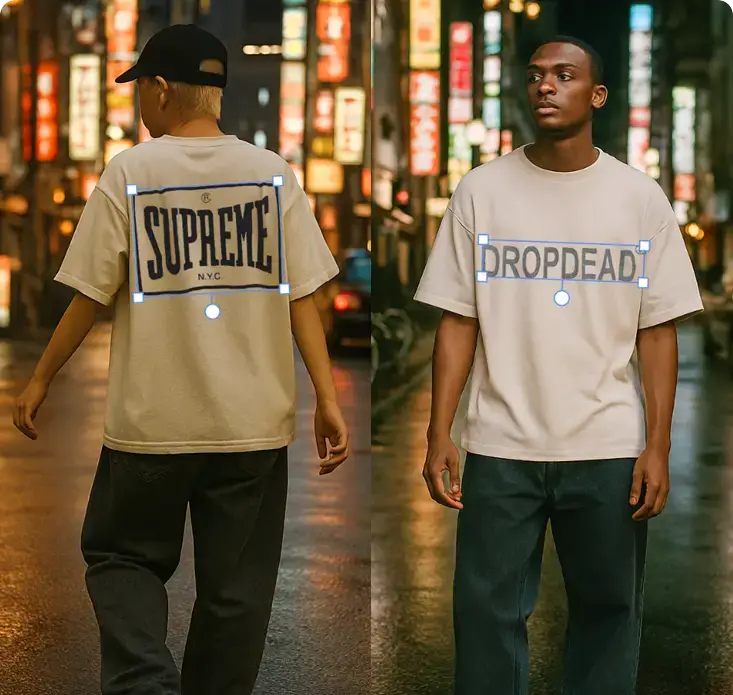
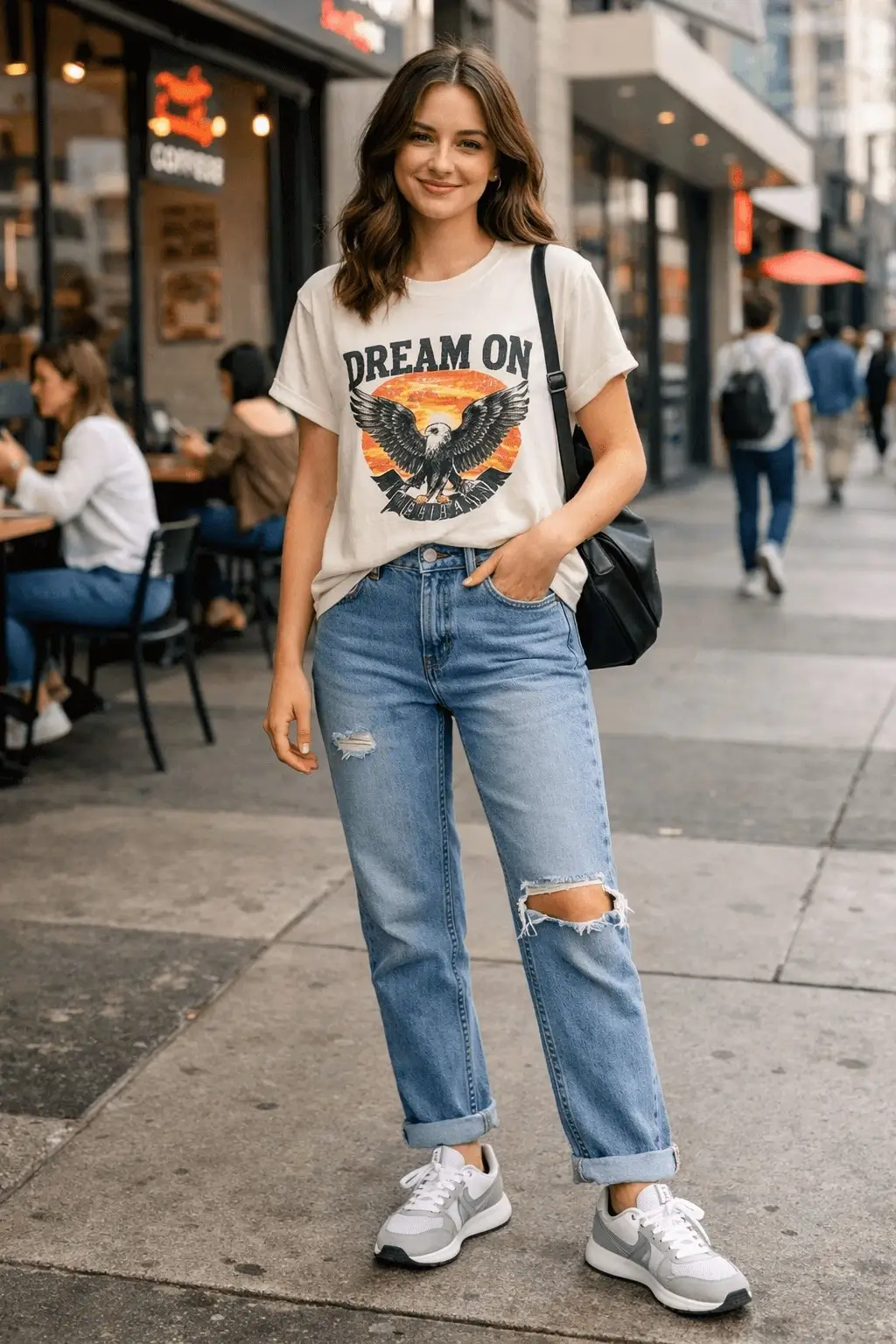
The mass market sector democratizes global style by translating high-end trends into affordable, everyday apparel for the general public. This segment emphasizes high-volume production and uses accessible materials like jersey or denim to prioritize comfort and youthful energy. By using AI-generated fashion descriptions or prompts, fashion brands and individuals can effectively visualize casual coordinates in relatable urban environments, such as sidewalks or shopping malls. This process allows designers to test the commercial appeal of graphic tees and modern silhouettes long before they reach the retail floor.
Prompt:
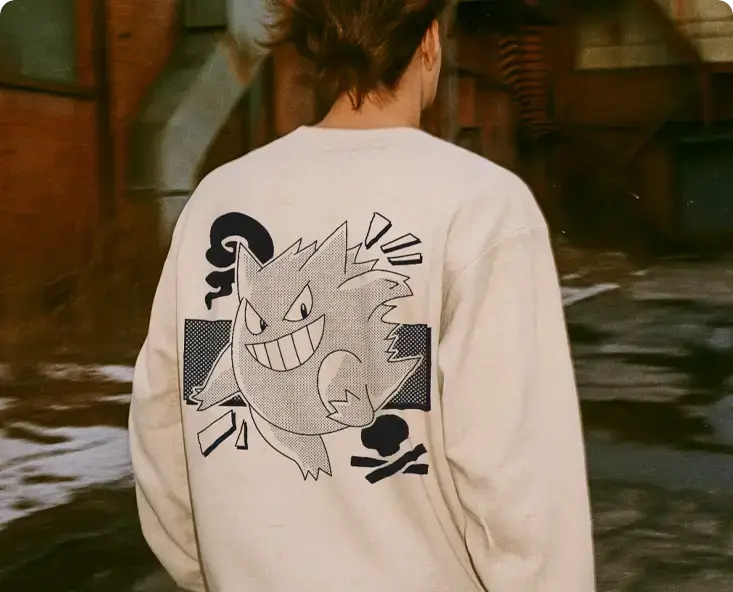
Create an image of a model wearing a trendy yet affordable mass market fashion outfit. The outfit should include casual, everyday pieces like a stylish graphic tee, denim jeans, and sneakers. The look should be modern and youthful, reflecting current fashion trends that are accessible to the general public. The model should have a relaxed, approachable pose with minimal makeup and natural hair. The setting should be an urban environment, such as a city sidewalk or mall, with vibrant, youthful energy to showcase the practicality and accessibility of mass market fashion.
Fast Fashion Prompt
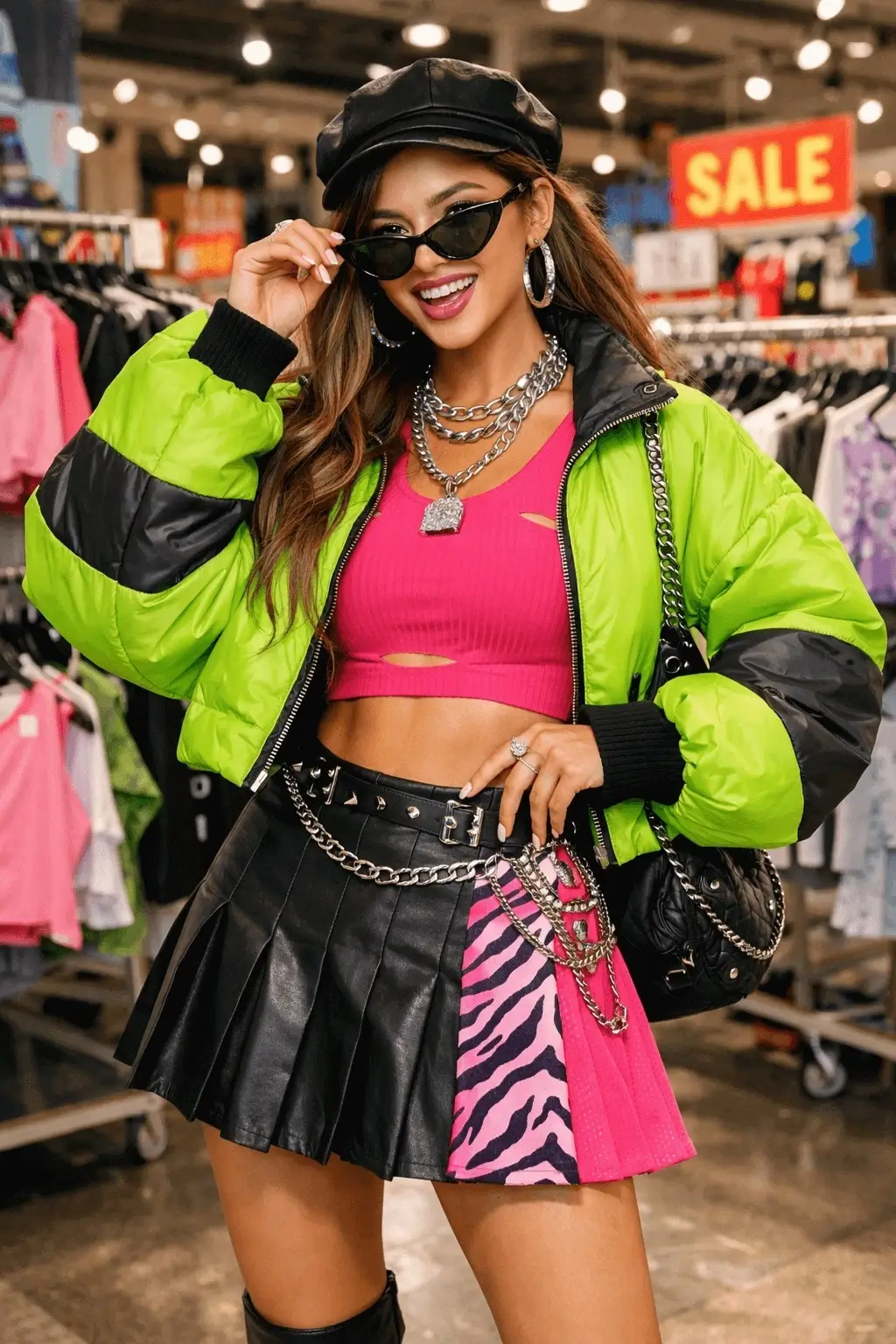
Fast fashion operates on rapid trend adoption, frequent collection updates, and wide accessibility for everyday consumers. Runway-inspired concepts are quickly translated into bold, wearable outfits produced at scale using affordable materials such as polyester and cotton blends. In AI-based fashion workflows, a fast fashion prompt specifies attention-grabbing styling, expressive model features, and energetic retail environments to match the pace of trend cycles. This process supports quick concept testing, visual merchandising, and the creation of timely, trend-focused content.
Prompt:
Create a vibrant scene showcasing fast fashion with a model wearing the latest trendy outfit that blends current fashion trends. The outfit should be bold, with eye-catching details such as oversized jackets, statement accessories, or patterned skirts, all designed to capture attention. The clothing should look fresh off the runway but be made from affordable, mass-produced materials like polyester or cotton blends. The model should exude a sense of excitement and confidence, reflecting the fleeting and ever-changing nature of fast fashion. The setting should be a bustling shopping street or a busy retail store, emphasizing the accessibility and fast-paced turnover of trends in the fashion world.
Bridal and Intimate Apparel Prompt
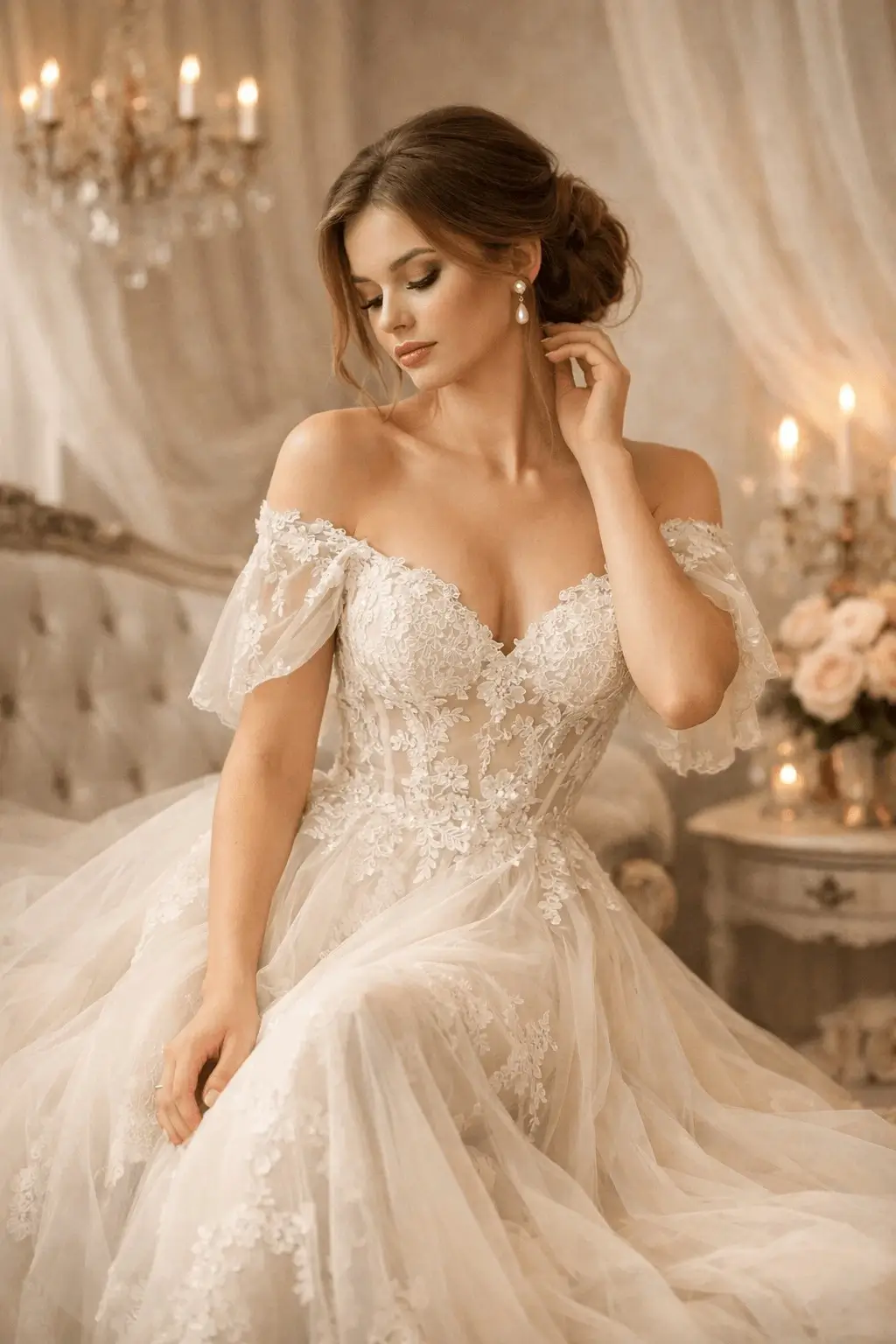
The bridal and intimate apparel niche centers on a refined balance of romance, elegance, and high-end craftsmanship. Design in this category relies on delicate construction techniques and luxurious fabrics such as silk, chiffon, satin, lace, and tulle, paired with controlled lighting and graceful posing. In AI-based bridal and intimate fashion visualization, a bridal and intimate apparel prompt defines garment detailing, mood, and environment, enabling an AI model to generate images that convey softness, luxury, and timeless appeal. These visuals support concept previews, collection storytelling, and premium branding presentations.
Prompt:
Create an elegant and romantic scene showcasing a model wearing a luxurious bridal gown or intimate apparel. The bridal gown should feature intricate lace, delicate embroidery, and flowing fabric like silk or chiffon, exuding timeless beauty. For intimate apparel, the lingerie should be refined and sensual, crafted from satin, lace, and soft tulle, with elegant details such as floral motifs or subtle beading. The model should have a serene, graceful pose with soft, natural makeup and styled hair. The setting should be a dreamy, romantic atmosphere, such as an elegant bridal suite or a softly lit, vintage-inspired room, emphasizing the elegance and intimacy of bridal and intimate fashion.
Best Midjourney Prompts for Fashion
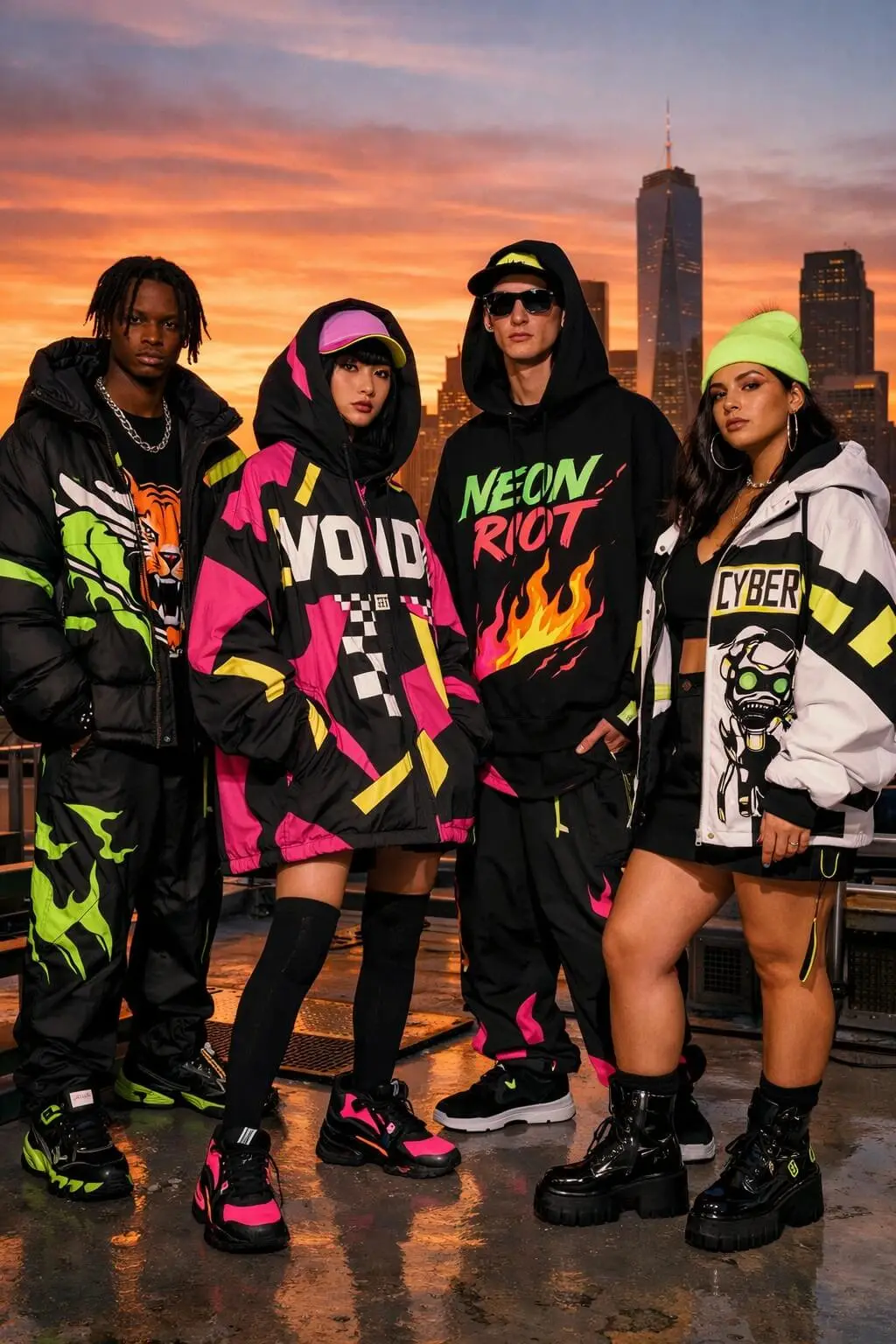
Midjourney fashion prompts focus on strong visual contrast, bold styling, and cinematic environments that amplify creative impact. This approach emphasizes exaggerated silhouettes, graphic elements, and dramatic lighting to produce visually striking results. Using structured MidJourney prompts for fashion helps the AI model render high-quality fashion scenes suitable for editorial concepts and experimental collections.
Prompt:
Create a high-fashion streetwear collection with bold graphic prints, oversized silhouettes, and vibrant neon accents, modeled by diverse models on a city rooftop at sunset.
Best ChatGPT Prompts for Fashion
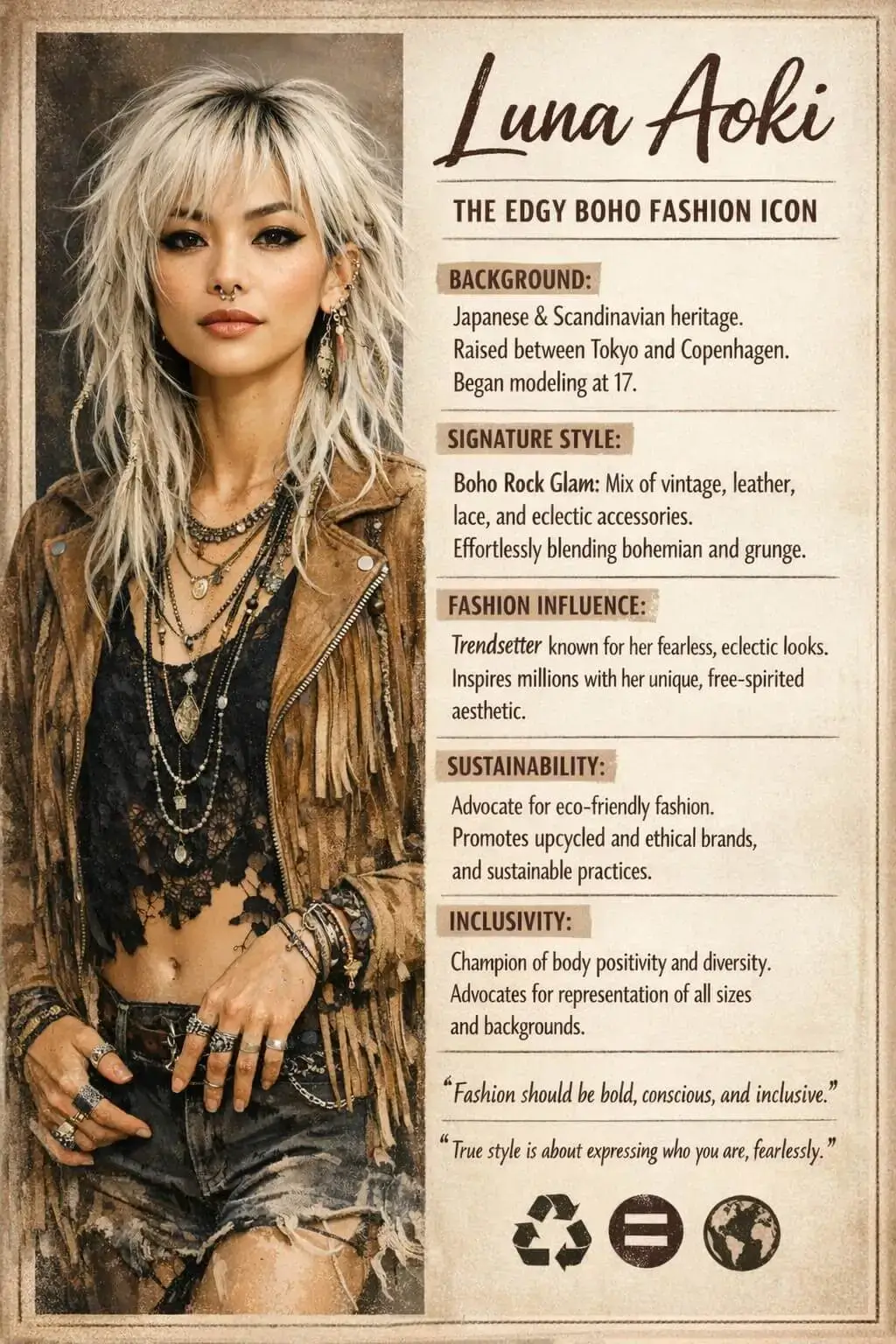
While other AI tools focus on pixels, ChatGPT fashion prompts are designed for conceptual development rather than image rendering, supporting ideation, storytelling, and brand definition. ChatGPT prompts for fashion help structure detailed descriptions of models, aesthetics, and creative direction. This helps designers and teams refine identity, messaging, and narrative consistency.
Prompt:
Create a detailed profile for a fashion model, including their unique style, personal brand, and background. Describe their signature look, how they influence fashion trends, and their approach to sustainability and inclusivity in the industry.
Best Dall-E AI Prompts for Fashion
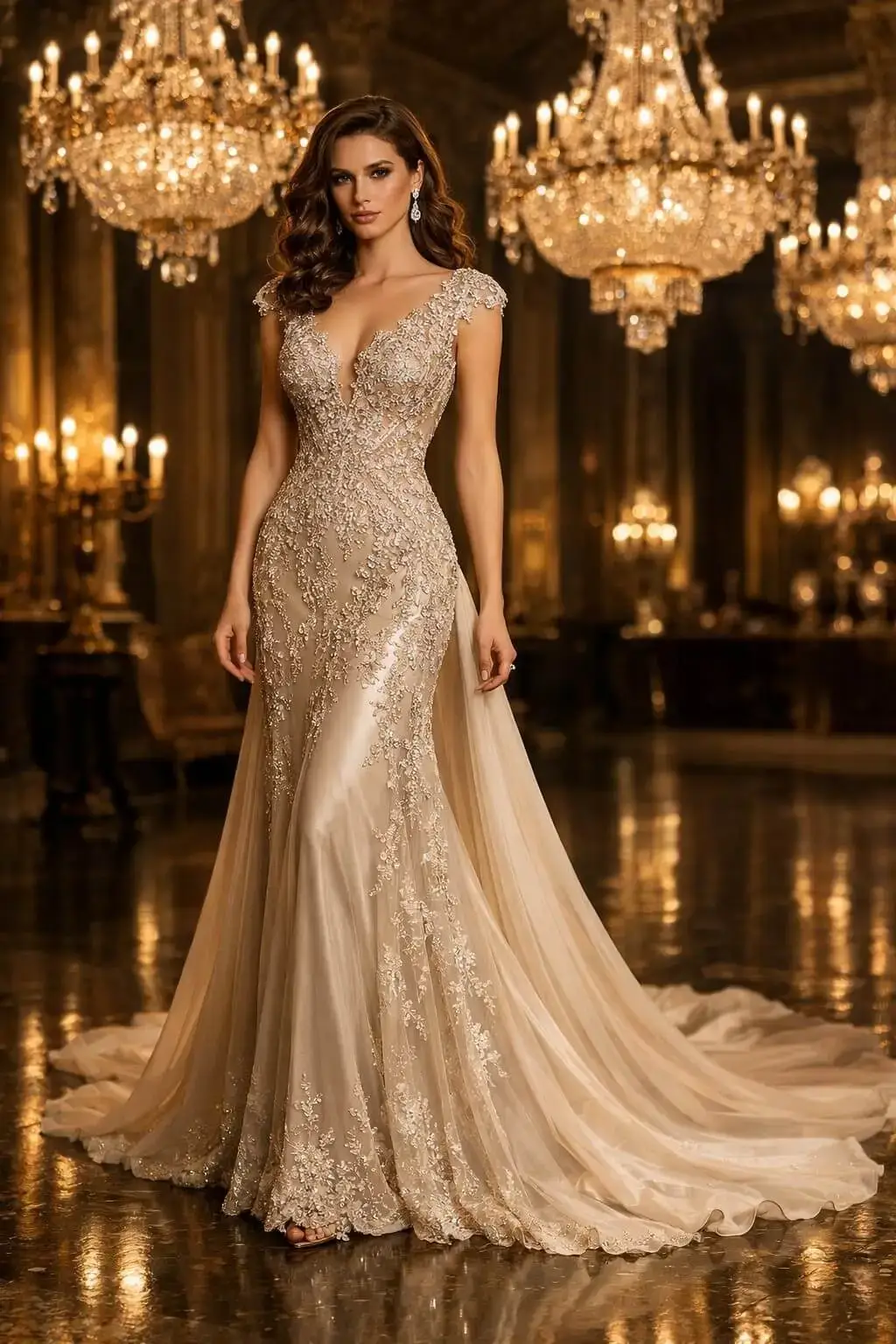
DALL-E fashion prompts prioritize clarity in garment construction, fabric behavior, and environmental detail. This structure allows the AI model to generate refined compositions with controlled lighting and balanced framing. The results from DALL-E prompts for fashion support the visualization of formalwear concepts and luxury design presentations.
Prompt:
Design an elegant evening gown featuring intricate lace patterns, delicate beading, and flowing silk, set against a grand ballroom with crystal chandeliers.
Best Artbreeder Prompts for Fashion
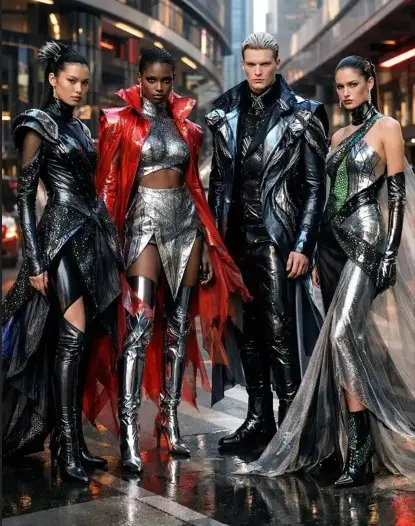
Artbreeder fashion prompts emphasize experimentation through visual blending and style variation. These artbreeder prompts for fashion guide the creation of futuristic aesthetics by combining metallic textures, organic materials, and unconventional silhouettes. By leveraging appropriate artbreeder prompts for fashion, the output supports early-stage concept exploration and avant-garde design research.
Prompt:
Generate a futuristic fashion collection by blending sleek, metallic fabrics with organic textures, featuring avant-garde silhouettes and bold color contrasts, worn by models in a dynamic urban setting.
Best Runway ML Prompts for Fashion
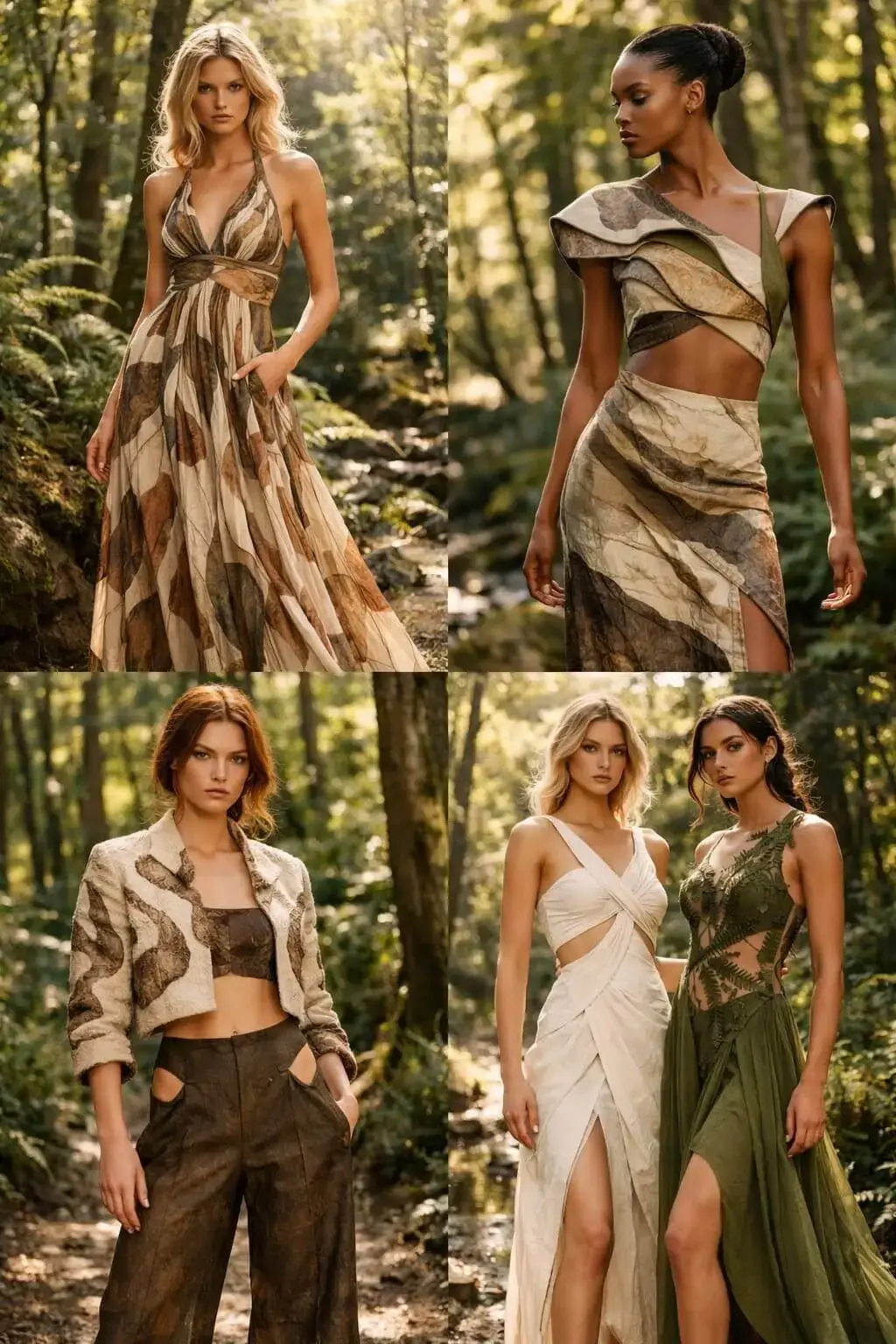
Runway ML prompts focus on motion, atmosphere, and cohesive visual storytelling across multiple outputs. Nature-inspired prompts define color palettes, fabric flow, and environmental interaction to achieve organic yet polished results. Structured runway ML prompts for fashion support lookbook creation, concept films, and immersive fashion narratives.
Prompt:
Create a fashion lookbook using AI to design a collection inspired by nature, blending earthy tones and organic patterns with modern, high-fashion cuts, showcased in a natural outdoor setting with sunlight filtering through trees.
What are the Benefits of Using AI for Fashion Design?
The benefits of using AI for fashion design include improved accuracy, faster visual development, and reduced production risk for creative teams and businesses. AI also enables designers, brands, and startups to visualize design concepts digitally before physical sampling, which helps streamline decision-making and minimize costly revisions.
5 benefits of using AI for fashion design:
- Ensure Precision and Control
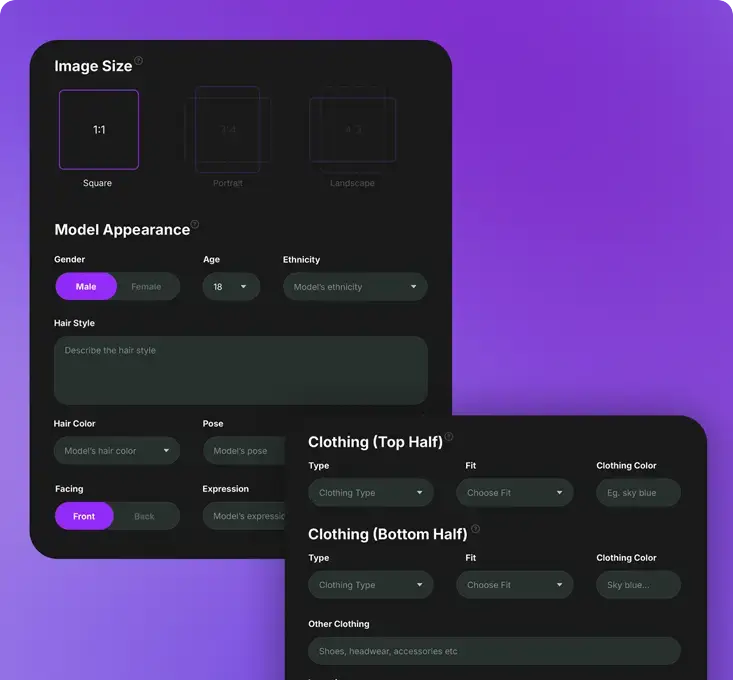
AI fashion tools help fashion designers define model features, attire background, clothing setting, and resolution with clarity. This level of control benefits fashion brands, product teams, and visual merchandisers who require predictable, repeatable outputs for previews and approvals.
- Enhance Creativity and Innovation
With the help of AI, designers and creative teams can experiment with new silhouettes, textures, and styling directions without material constraints, supporting early-stage ideation and collection planning.
- Super Cost-Effective for Startups
Digital visualization replaces expensive photoshoots, physical sampling, and repeated revisions, allowing startups and emerging brands to validate concepts before committing resources.
- Accelerate Efficiency and Rapid Prototyping
Design variations, fabric options, and fit adjustments can be generated and reviewed digitally, shortening development cycles and reducing dependence on physical samples.
- Maintain Consistency and Brand Identity
Structured fashion prompts and reusable templates help fashion brands deliver consistent styling, mood, and visual presentation across campaigns, collections, and markets.
Together, these benefits make AI a practical extension of the fashion design process rather than a separate technical layer. By supporting accurate visualization, faster iteration, and consistent presentation, AI helps teams move from concept development to validation with fewer revisions and clearer direction. As a result, AI fashion design serves as a practical solution for modern fashion businesses seeking efficiency, consistency, and informed decision-making.