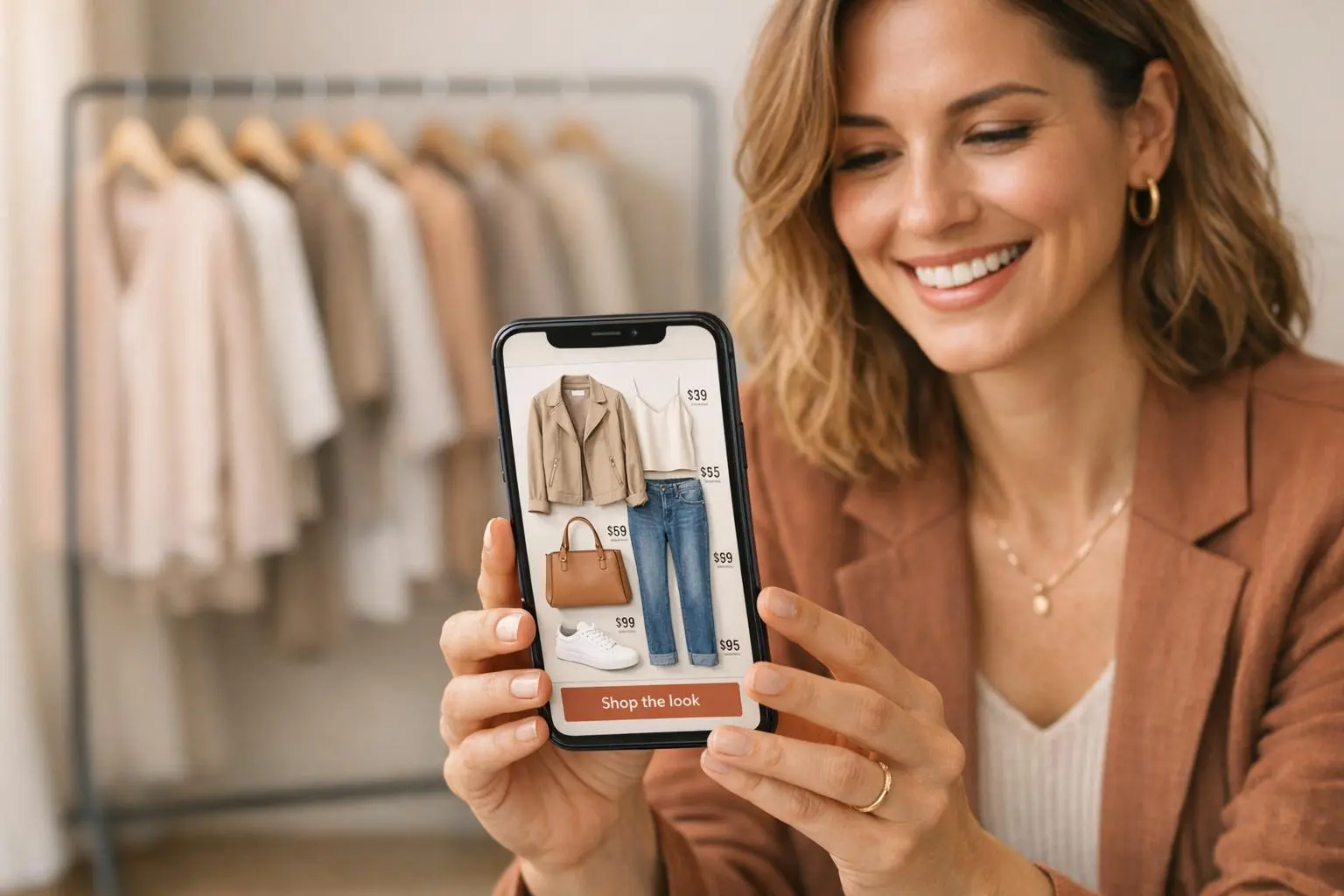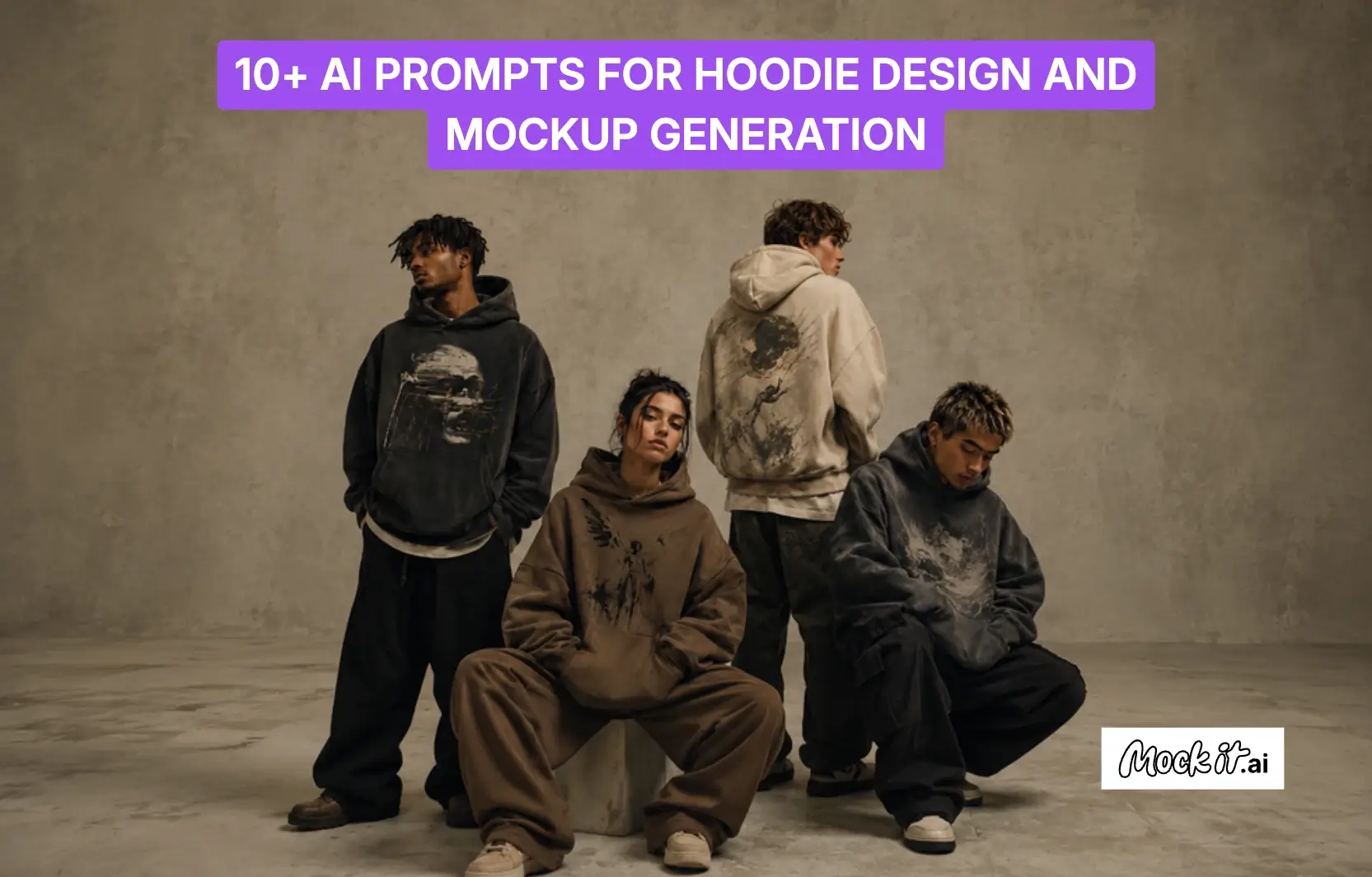
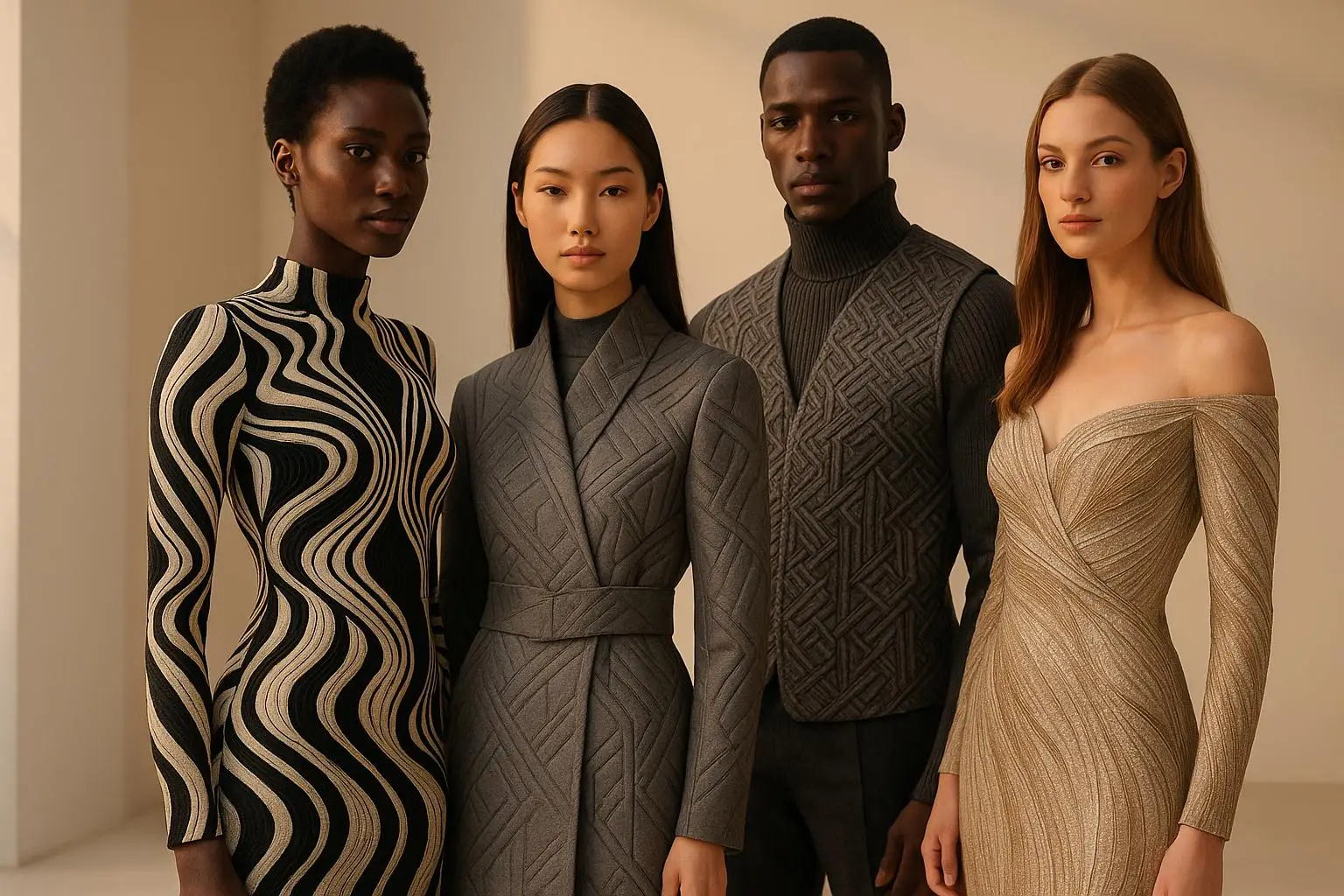
AI is transforming fashion photography by replacing traditional photoshoots with efficient, digital solutions. Using tools like Mock It AI, brands can create lifelike images of clothing on virtual models, saving time, money, and resources. Here’s what you need to know:
- What It Does: AI generates realistic fashion visuals using text descriptions or existing photos, eliminating the need for physical models or studio setups.
- Key Features: Virtual models, dynamic backgrounds, and automated editing tools like color correction and smart cropping.
- Benefits for Brands: Faster production, lower costs, and inclusive representation of diverse body types and ethnicities.
- Legal and Ethical Considerations: Transparency about AI usage, avoiding biases, and ensuring accurate product representation.
AI tools like Mock It AI simplify the process with customizable templates, scene creators, and commercial-use licenses. This technology is reshaping how brands approach visual storytelling while addressing modern consumer demands for speed and personalization.
Can Midjourney V7 Replace FASHION Photoshoots? 4 Looks in 72h, 72% Less
Core AI Technologies in Fashion Photography
The world of fashion photography is undergoing a massive transformation, thanks to three key AI technologies. Together, these systems handle everything from brainstorming creative concepts to perfecting final edits. The result? High-quality, professional-grade images that are now within reach for brands of all sizes.
Generative AI and Image Creation
Generative AI is at the heart of creating lifelike fashion images, starting with nothing more than text descriptions or reference photos. These systems are designed to understand the nuances of fashion, including body proportions, fabric flow, and styling principles, to produce visuals that look like they came straight from a professional shoot.
With text-to-image generation, brands can describe their vision in plain language and receive tailored visuals. For instance, a brand could input something like: “a blonde model wearing a red silk dress in a minimalist studio with soft lighting” and instantly get several image options. This eliminates much of the uncertainty during pre-production, giving teams a clear vision before committing resources.
Meanwhile, image-to-image transformation allows brands to tweak existing photos without altering the overall composition. Whether it’s changing a model’s appearance, swapping out clothing, or adjusting the background, this tool is perfect for testing different looks or creating product variations. The precision of these tools ensures that images not only look realistic but also align with fashion industry expectations for quality and aesthetic appeal.
Automated Retouching and Editing
AI-powered tools make retouching and editing faster and more consistent than ever. These systems handle everything from lighting adjustments to color corrections, ensuring every image looks polished and professional.
Background removal and replacement is one standout feature. AI can accurately detect the edges of subjects and seamlessly integrate them into new environments. This is especially useful for seasonal campaigns or location-specific marketing, allowing brands to create fresh visuals without the need for reshoots.
Automated color correction and enhancement ensures that every image meets brand standards. By analyzing and adjusting each photo, AI eliminates inconsistencies, which is especially important for e-commerce platforms where accurate color representation is key to customer satisfaction.
Smart cropping and composition optimization takes care of framing, using principles like the rule of thirds and focal points to suggest or apply the best crop. This ensures that every image has maximum visual impact, whether it’s for a catalog, social media, or an ad campaign.
Beyond these edits, AI also enables detailed adjustments to both models and scenes, opening up even more creative possibilities.
AI for Model and Scene Customization
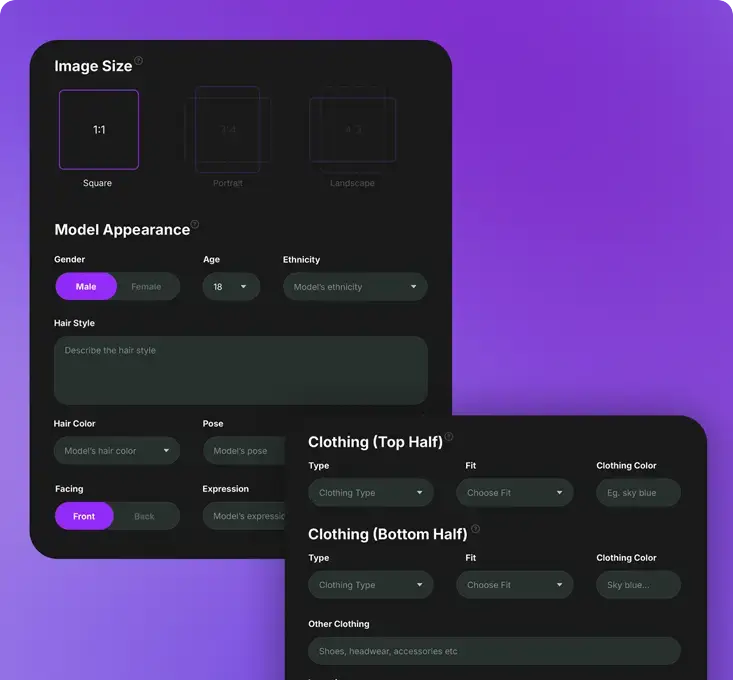
AI technology now allows brands to customize models and settings with an incredible level of detail. Brands can create virtual models with specific physical traits, ages, or ethnicities, ensuring accurate representation of their target audience. This not only supports diversity and inclusion efforts but also removes the limitations of traditional casting.
With AI, brands can also fine-tune model poses and expressions to highlight garments or match the mood of a campaign. Whether it’s a confident stance or a playful smile, these adjustments help bring the images to life.
Dynamic background generation is another game-changer. AI can create realistic settings tailored to the clothing being showcased. Think sleek urban streets for casual wear, luxurious interiors for evening gowns, or scenic outdoor trails for activewear. These generated environments maintain proper lighting and perspective, ensuring they blend seamlessly with the models.
Lastly, real-time style transfer and mood adjustment allows brands to experiment with different aesthetics. A single image can be transformed to fit various campaign themes, from vibrant and energetic to moody and sophisticated. This flexibility makes it easy to adapt visuals to different branding needs.
One platform that brings all these technologies together is Mock It AI. It enables brands to create tailored fashion imagery in one streamlined workflow. Users can build custom models, select clothing, describe ideal settings, and even upload their own designs to craft unique mockups instantly. By consolidating these tools, Mock It AI makes it easier than ever to produce professional-quality visuals without juggling multiple programs.
Top AI Tools for Fashion Photography
AI is transforming the way US fashion brands create visual content, making it faster and more cost-effective than ever. Platforms like Mock It AI combine advanced design tools with easy-to-use workflows, helping brands produce stunning imagery without the need for traditional photoshoots. Let’s dive into how Mock It AI is reshaping fashion photography.
Overview of Mock It AI
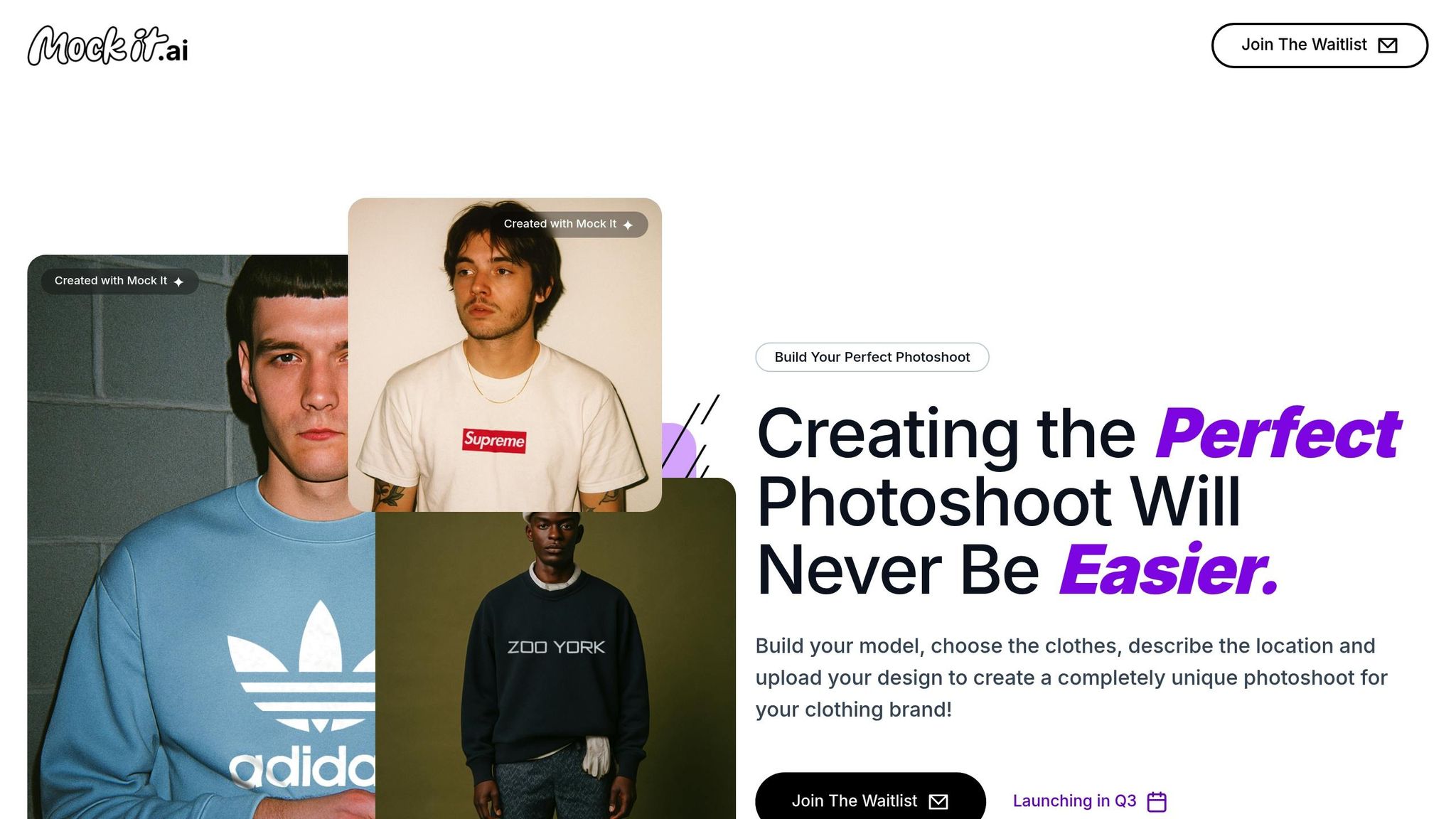
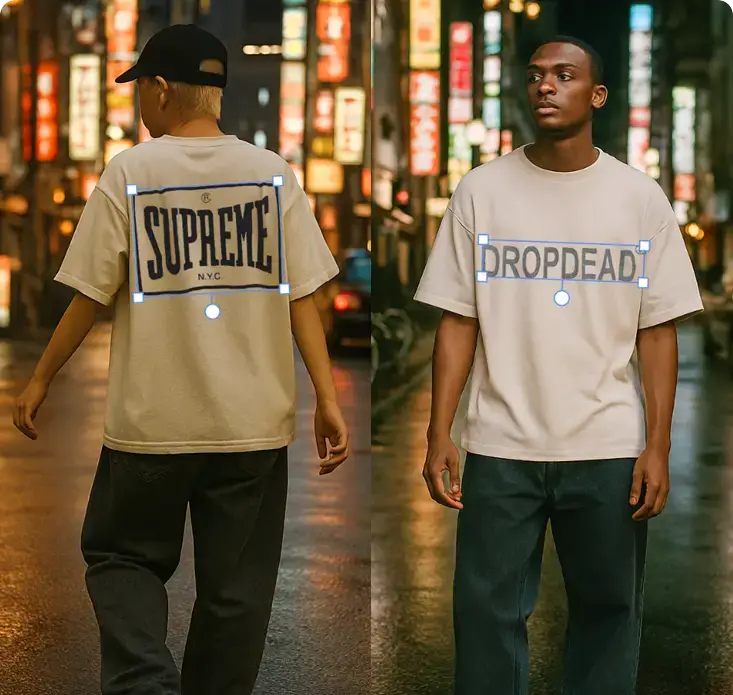
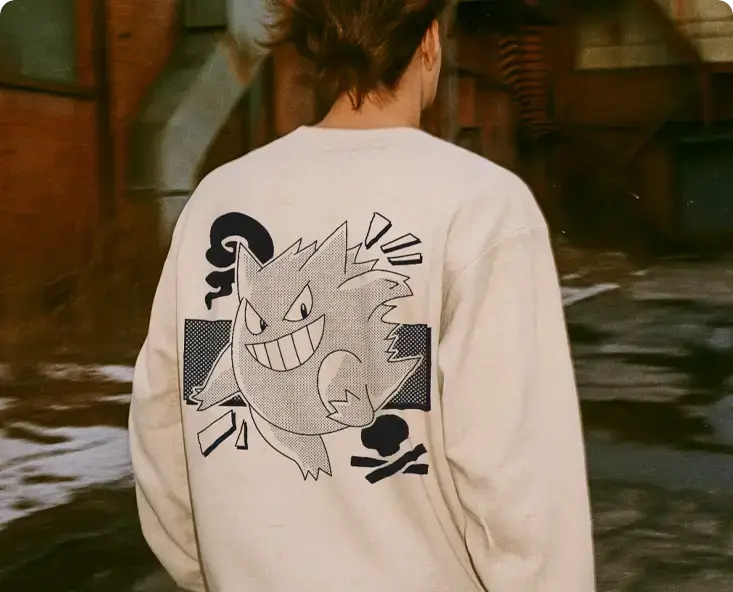
Mock It AI is a fast, user friendly way to create custom AI photoshoots and editable mockups for apparel. Build the exact look you want with the prompt builder, then refine it with pose presets, wardrobe options, and location styles. Every generation gives you a realistic photo and an editable mockup layer, so you can drop in your artwork, wrap it to the fabric, and keep texture and folds intact.
Skip rigid multi view sets. With Mock It AI you can generate fresh angles, crop for product pages, and create lifestyle variations in seconds. Upload designs instantly, keep artwork fidelity, and export high resolution images ready for your store, ads, and socials. All paid tiers include a commercial license.
Pricing uses a simple credit system. One image equals one credit, no rollover. Monthly billing via Stripe.
Plans:
• Starter: $12 for 100 credits per month
• Growth: $29 for 250 credits per month
• Pro: $69 for 650 credits per month
Ready to try it? Check pricing at app.mockit.ai/pricing, create your first AI photoshoot, and start building editable mockups that match your brand.
sbb-itb-2c1a147
Step-by-Step AI Photography Workflow
AI tools have revolutionized the way professional images are created. They simplify the process by removing the need for traditional setups like hiring models, photographers, or booking studio space, all while ensuring consistent, polished results.
From Concept to Mockup Creation
To kick off your AI-driven image creation process, start with top-notch source materials. These might include a flat lay of your garment, a photo of it on a dress form, a fashion sketch, a textile pattern, a finalized print, or even an existing on-model photo. High-resolution files are key to achieving sharp, professional results.
Once your materials are ready, upload them to a platform like Mock It AI. This tool allows you to seamlessly process your designs and integrate them with AI-generated models and scenes. Through its virtual model system, you can customize details like poses, expressions, and body types to align perfectly with your brand’s image.
The next step is creating the scene. Here, your product is placed in a setting that reflects your brand’s story. Whether it’s a bustling urban backdrop, a clean studio environment, or another tailored context, the platform’s scene customization tools help bring your vision to life.
Finally, the mockup generation phase produces images from multiple angles, giving you versatile visuals ready for further refinement.
Post-Processing with AI Tools
After generating the mockups, it’s time to polish the images using AI-powered post-processing tools. These tools handle adjustments like lighting, color saturation, and composition, ensuring a cohesive look across all visuals.
To maintain brand integrity, AI fine-tunes color balance and contrast, eliminating any inconsistencies that might arise in traditional photography settings. Features like sharpening and noise reduction further enhance details, keeping logos, patterns, and embellishments crisp and clear.
Before exporting, review the images for uniformity. Once everything looks perfect, the platform allows you to export your visuals in various sizes and formats, making them ready for use across digital and print platforms.
Ethical, Legal, and Creative Considerations
As AI-driven fashion photography becomes more prevalent, brands must navigate a landscape of ethical, legal, and creative challenges. These considerations are vital for safeguarding trust, maintaining compliance, and ensuring that creativity remains at the heart of US fashion branding.
Ethical Use of AI in Fashion Branding
Transparency is critical when incorporating AI into fashion branding. Consumers increasingly expect brands to disclose when images are AI-generated, especially when it involves human models or product depictions. Being upfront about AI usage fosters trust and demonstrates honesty about creative processes.
AI bias is another pressing issue. Systems trained on limited datasets can unintentionally reinforce stereotypes related to body types, skin tones, or cultural identities. To address this, brands should routinely audit their AI-generated content, ensuring it represents a diverse and inclusive customer base.
There’s also the risk of misleading consumers with AI-created visuals that resemble traditional photography. While AI can produce visually stunning images, brands must ensure these representations accurately reflect product details, such as fit, texture, and appearance. Misrepresentation, even if unintentional, can harm customer relationships and may run afoul of consumer protection laws.
Additionally, brands must consider ethical implications when creating or altering images with AI. Even when AI-generated faces are used, questions around digital consent and the potential impact on real models’ careers require thoughtful evaluation.
Legal Considerations for AI Content
Copyright law in the US requires human authorship, leaving purely AI-generated images without traditional copyright protection. This creates a gray area for brands relying heavily on AI-generated visuals in their marketing.
Another concern is the inadvertent replication of real individuals’ likenesses in AI-generated models. Without proper safeguards, brands risk infringing on personal rights if AI outputs resemble real people without permission.
Licensing is also a key issue. Platforms like Mock It AI often provide commercial usage rights for generated content, but brands must carefully review licensing terms to ensure they have the necessary permissions, particularly for large-scale campaigns.
Data privacy laws, such as the California Consumer Privacy Act (CCPA), require brands to handle customer data responsibly in AI training and generation processes. This includes being transparent about how data is used and offering opt-out mechanisms where applicable.
Finally, product liability concerns arise if AI-generated images misrepresent a product’s characteristics. Brands are responsible for ensuring that AI-created visuals align with the actual quality, fit, and features of their products to avoid misleading consumers.
These legal considerations complement the creative and ethical strategies discussed, ensuring AI adoption remains both compliant and effective.
Balancing Automation with Creativity
While AI brings efficiency and new creative possibilities, maintaining a balance between automation and human creativity is essential for preserving a brand’s identity. AI can streamline technical tasks, but human oversight is crucial for shaping the brand’s artistic direction.
Creative leadership remains firmly in human hands. AI may generate numerous concepts, but humans define the brand narrative, select the most fitting visuals, and ensure consistency across campaigns. This partnership allows creative teams to focus on strategy while AI handles execution.
Small businesses and independent creators stand to benefit greatly from this balance. AI opens doors to professional-quality imagery that was once out of reach for those with limited budgets. For example, a small jewelry designer can now create lifestyle visuals featuring their pieces on diverse models in various settings – broadening their creative scope without inflating costs.
The iterative process of refining ideas highlights the synergy between human creativity and AI. Designers can quickly test multiple concepts, refine the most promising ones, and craft cohesive visual stories that might have been too costly to produce through traditional methods.
Ultimately, authenticity comes from thoughtful integration of AI, not blind reliance on automation. Brands that succeed with AI establish clear guidelines to ensure generated content reflects their values, aesthetic standards, and customer expectations. This might involve creating custom style guides for AI tools or implementing approval processes to maintain quality.
The Future of AI in Fashion Photography
Artificial intelligence is reshaping the world of fashion photography, creating a seismic shift in how US fashion brands approach their visual storytelling. AI is opening doors to greater efficiency, enhanced creativity, and significant cost savings, fundamentally changing the way content is created.
According to McKinsey, generative AI could contribute between $150 billion and $275 billion to operating profits in the apparel, fashion, and luxury sectors within the next three to five years. This remarkable potential comes from AI’s ability to slash production costs by nearly 80% and reduce post-production time by 70%, all while delivering flawless, consistent imagery.
This technology is not just for the big players. AI is leveling the playing field for smaller and independent brands, giving them access to professional-quality visuals that were once reserved for companies with massive budgets. Tools like Mock It AI allow these brands to create bespoke photoshoots featuring diverse models, unique backdrops, and polished styling – all without the traditional financial and logistical hurdles.
The numbers tell an incredible story. Between 2022 and 2023, text-to-image algorithms generated over 15 billion images, a volume equivalent to 150 years of human photography. This explosion in AI-generated visuals signals a major shift in how brands are approaching their visual content strategies.
Consumer expectations are driving this transformation. Today, 67% of shoppers want brands to tailor their offerings based on personal preferences and context. AI enables the kind of customization that meets these demands, allowing brands to craft imagery tailored to specific demographics, seasonal campaigns, or regional tastes – at scale.
This ability to personalize content is more than just a creative advantage; it directly impacts business performance. For example, 82% of fashion buyers say they feel confident making purchasing decisions based solely on digital samples. Additionally, AI-powered tools that improve product visualization have led to 10-25% reductions in return rates, thanks to better fit predictions and more accurate product matching.
However, the road ahead isn’t without obstacles. One of the biggest challenges is the tension between automation and authenticity. In a recent Instagram poll, 74% of respondents said brands should be banned from using AI-generated models. This underscores the importance of transparency and ethical practices as AI becomes more ingrained in the creative process.
The most successful approaches treat AI as a collaborator rather than a replacement. Creative teams are using AI to handle technical tasks, freeing them to focus on the artistic vision, brand identity, and emotional storytelling that connect with consumers on a deeper level. This balance ensures that while AI enhances efficiency, the human touch keeps fashion relevant and culturally meaningful.
The growing investment in AI tools is evident in the projected expansion of the global photo editing software market, which is expected to reach $1.5 billion by 2031, growing at 4.9% annually. For US fashion brands, embracing AI thoughtfully and ethically offers a clear advantage in an increasingly image-driven market.
FAQs
How does AI-generated fashion photography help small fashion brands compete with big companies?
AI-powered fashion photography is giving small fashion brands a chance to shine by slashing costs and simplifying content creation. Think about it – traditional photoshoots often involve hefty expenses for hiring models, photographers, and stylists. But with AI, many of these costs vanish, all while delivering polished, professional-quality visuals.
What’s more, AI allows brands to create a wide range of diverse and inclusive images. Whether it’s showcasing different body types, skin tones, or styles, these tools help ensure marketing materials connect with a broader audience. On top of that, AI makes it easy to customize and prototype visuals quickly, letting smaller brands generate bold, on-brand content in less time and at a fraction of the cost. This technology is a game-changer, helping smaller businesses carve out their space in a crowded market.
What ethical factors should brands consider when using AI-generated models in their campaigns?
When brands integrate AI-generated models into their campaigns, they need to tackle some important ethical considerations. One of the most crucial is transparency. Letting consumers know when AI-generated imagery is being used helps build and maintain trust. Without this openness, brands risk alienating their audience.
Another pressing issue is avoiding the reinforcement of harmful stereotypes or biases in AI systems. If AI perpetuates these issues, it can damage a brand’s reputation and alienate consumers. Careful design and oversight of AI models are necessary to prevent this.
Data privacy is equally important. Brands must ensure that the data used to train AI models is collected ethically and complies with all relevant privacy laws. Mishandling data not only breaches trust but could also lead to legal consequences.
By prioritizing honesty, fairness, and accountability, brands can push boundaries with their campaigns while staying on the right side of ethics.
How does AI support diversity and prevent bias in fashion photography?
AI is transforming fashion photography by helping brands represent a broader spectrum of individuals. With its capabilities, brands can feature models with varying body types, ethnic backgrounds, and gender expressions, creating more inclusive and relatable imagery that connects with a diverse audience.
Addressing bias in AI-generated images requires deliberate effort. Developers work to ensure fairness by incorporating diverse training datasets, conducting regular audits of AI systems, and being transparent about how these systems function. These steps are essential for producing ethical and inclusive visuals that reflect today’s values of representation and equality.