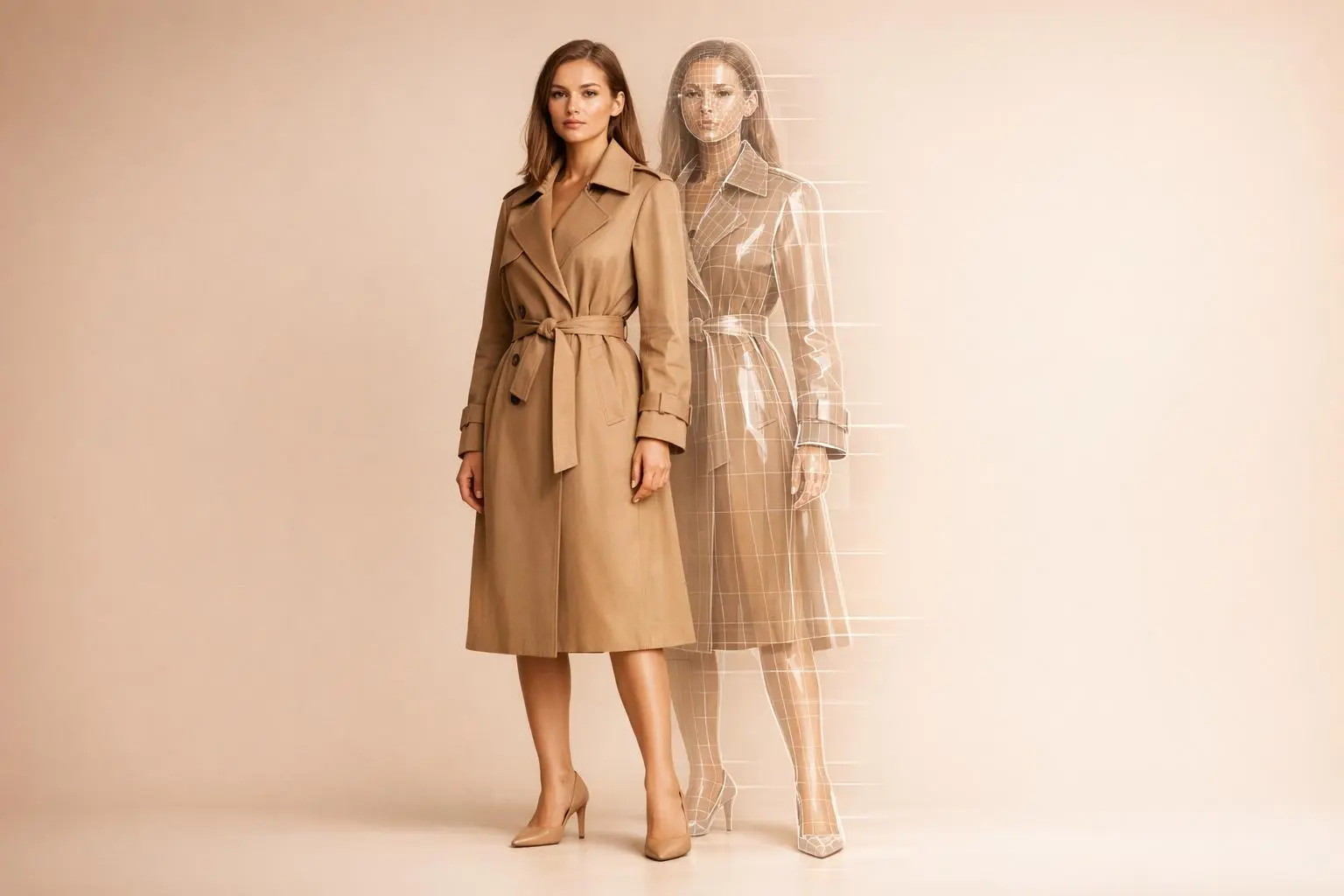
Virtual models are reshaping fashion marketing by replacing photo shoots with AI-generated imagery. Brands like H&M, Levi’s, Balmain, and Tommy Hilfiger are leveraging this technology to cut costs, speed up production, and offer more personalized visuals. Key highlights include:
- Cost Reduction: Brands save up to 90% on production costs by using AI models instead of traditional photo shoots.
- Faster Turnaround: Campaigns that once took weeks now take just a few days to complete.
- Scalability: AI allows for thousands of images to be produced quickly, meeting the demands of e-commerce and social media.
- Diversity Representation: AI-generated models showcase a wider range of body types, skin tones, and ages, though this approach has sparked debates about authenticity and ethics.
- Digital Twins: H&M and Tommy Hilfiger use digital replicas of real-life models, ensuring ownership and licensing rights while maintaining realism.
AI tools like Mock It AI make these advancements accessible for smaller brands, offering affordable, customizable photoshoots. While the technology boosts efficiency, transparency and ethical considerations remain critical as brands balance AI’s capabilities with the human artistry vital to fashion storytelling.
AI Models Are Taking Over Fashion: Is This the End for Human Models?
1. Balmain
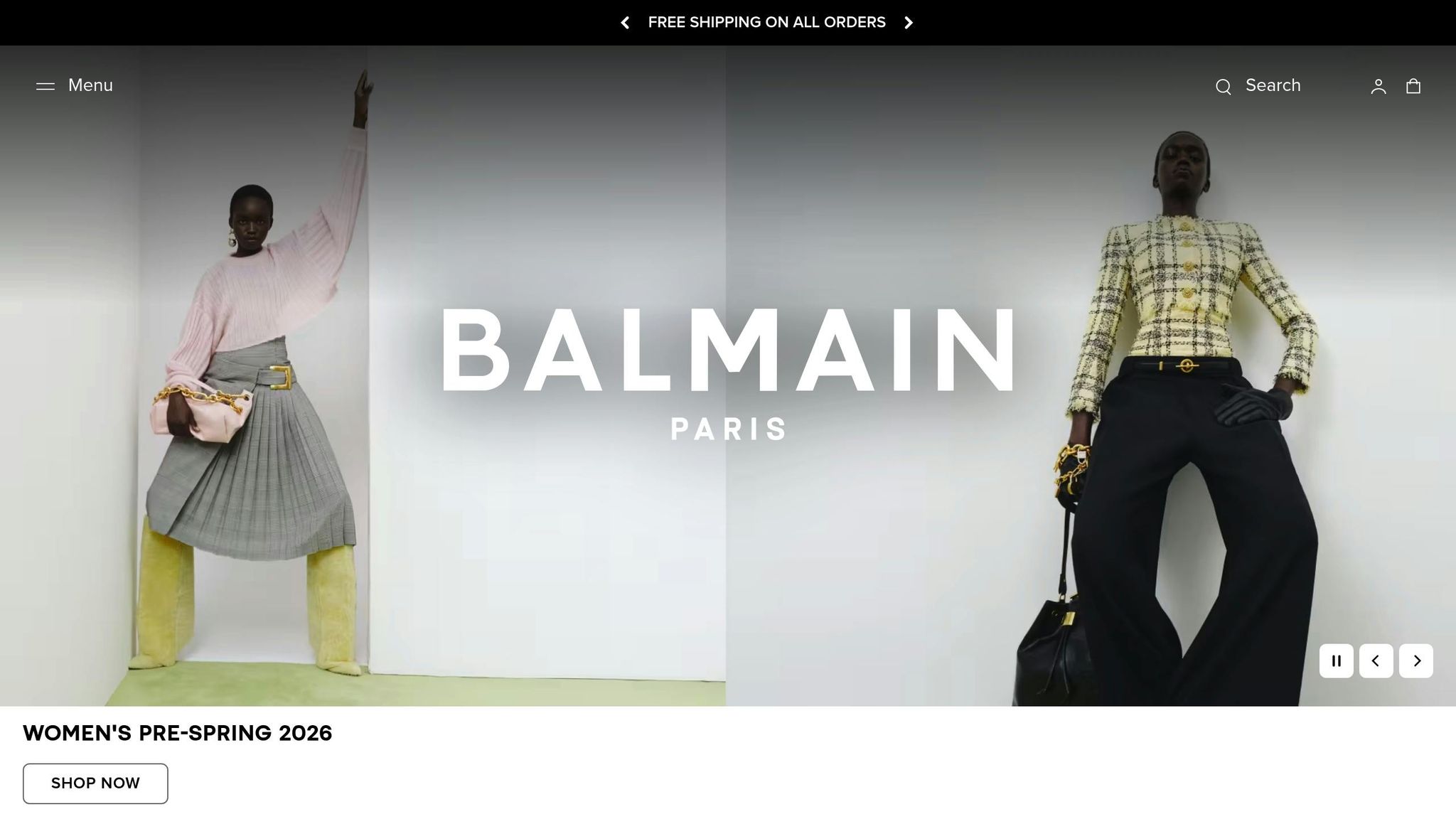
In Fall 2018, Balmain introduced its Virtual Model Army, featuring digital creations Shudu Gram, Margot, and Zhi. This bold move gave the brand complete control over its image, as Margot and Zhi were custom-designed to reflect Balmain’s luxurious aesthetic.
Customization
One of the biggest advantages of virtual models is how easily they can be tailored. Unlike human models, digital avatars don’t face scheduling conflicts or physical limitations. They can be styled, posed, and placed in any setting the brand envisions. This flexibility ensures Balmain can deliver a consistent and polished look across all its campaigns.
Representation and Debate
Balmain’s use of Shudu Gram, celebrated as the "world’s first digital supermodel", has sparked discussions about representation. While some see it as a step toward diversity, others criticize it as a form of manufactured inclusion. Questions about cultural appropriation have also surfaced, especially when digital personas are created by individuals outside the communities they aim to represent.
Scalability
Virtual models solve a common logistical challenge: global scalability. Balmain’s digital avatars can seamlessly appear across various platforms without the need for additional photoshoots. This makes them a versatile tool for digital marketing, allowing the brand to adapt quickly and maintain its presence. By embracing virtual models, Balmain has positioned itself as a leader in AI-driven fashion marketing.
2. Levi’s

Levi’s has been exploring how AI can bring more inclusivity and efficiency to its operations. In May 2022, the company teamed up with Lalaland.ai to experiment with AI-generated models that represent a broader spectrum of body types, ages, sizes, and skin tones. Before this initiative, each product was typically displayed using a single human model.
Cost Savings
In 2023, Levi’s made significant moves to reduce costs, including laying off 800 employees to save $100 million annually. As part of this effort, the brand began using AI-generated models to replace the costly logistics of traditional photoshoots, which often involve photographers, travel, and elaborate physical sets.
"It would be impossible for us to have models that cover every combination of race, ethnicity, age, body size, body type." – Dr. Amy Gershkoff Bolles, Global Head of Digital and Emerging Technology Strategy at Levi Strauss & Co.
Diversity Representation
Levi’s also introduced the "See It In My Size" feature, allowing customers to view products on digital avatars that reflect their height, weight, and skin tone. While research indicates that shoppers tend to prefer models who resemble them, the initiative sparked controversy. Critics accused Levi’s of engaging in "digital blackface", claiming it creates the illusion of inclusivity without actually employing diverse talent.
"We do not see this pilot as a means to advance diversity or as a substitute for the real action that must be taken to deliver on our diversity, equity and inclusion goals." – Levi’s
Scalability
AI-generated models offer Levi’s the ability to bypass scheduling conflicts and travel demands, enabling the rapid creation of images featuring diverse body types and skin tones. This aligns with the company’s ambitious growth plans, which aim to boost annual revenue from $6.5 billion to $10 billion.
"While AI will likely never fully replace human models for us, we are excited for the potential capabilities this may afford us for the consumer experience." – Dr. Amy Gershkoff Bolles
3. H&M
In March 2025, H&M took a leap into the future by teaming up with Swedish tech company Uncut to implement digital twin technology. This cutting-edge approach involved creating digital replicas of 30 real-life models from H&M’s current lineup. Unlike fully synthetic avatars, these digital twins are designed to capture every physical detail – down to birthmarks and even distinctive movement patterns. Model Vilma Sjöberg became the first to be digitized, with her digital twin so realistic that it’s nearly impossible to distinguish it from an actual photograph. Beyond its visual accuracy, this innovation brings notable efficiency to H&M’s operations.
Cost Savings
One of the biggest advantages of digital twins is their ability to streamline operations and cut costs. For example, a model could be walking a runway in New York, while their digital twin is simultaneously creating e-commerce content in Stockholm. As model Mathilda Gvarliani humorously put it, "She’s like me, without the jet-lag." Considering H&M operates in more than 4,000 stores across 75 countries, this technology makes content creation faster and more efficient, which the company describes as "simpler, smarter and more affordable".
Diversity Representation
H&M’s approach to digital twins stands out because it focuses on digitizing its existing diverse roster of models rather than creating entirely synthetic personas. This ensures the brand stays true to its commitment to inclusivity in marketing. Importantly, the models retain ownership of their digital likenesses and are compensated for their use, much like traditional image licensing agreements. Louise Lundquist, H&M’s Business Development Manager, explained:
"It’s the digital twin being compensated for the usage rights of the digital twin."
This strategy not only maintains diversity in marketing but also addresses concerns about AI replacing real human talent. By prioritizing fairness and transparency, H&M strikes a balance between innovation and ethical practices.
Scalability
H&M further demonstrated the potential of this technology in July 2025, when it launched its first AI-generated Instagram campaign featuring the digital twin of model Vanessa Moody. The campaign highlighted how AI is meant to complement human creativity, not replace it. Chief Creative Officer Jörgen Andersson emphasized:
"We see this technology as something that will enhance our creative process and how we work with marketing but fundamentally not change our human-centric approach in any way."
This capability allows H&M to quickly produce the large volume of images needed for social media and e-commerce, ensuring they stay competitive in the fast-paced world of digital marketing.
sbb-itb-2c1a147
4. Tommy Hilfiger
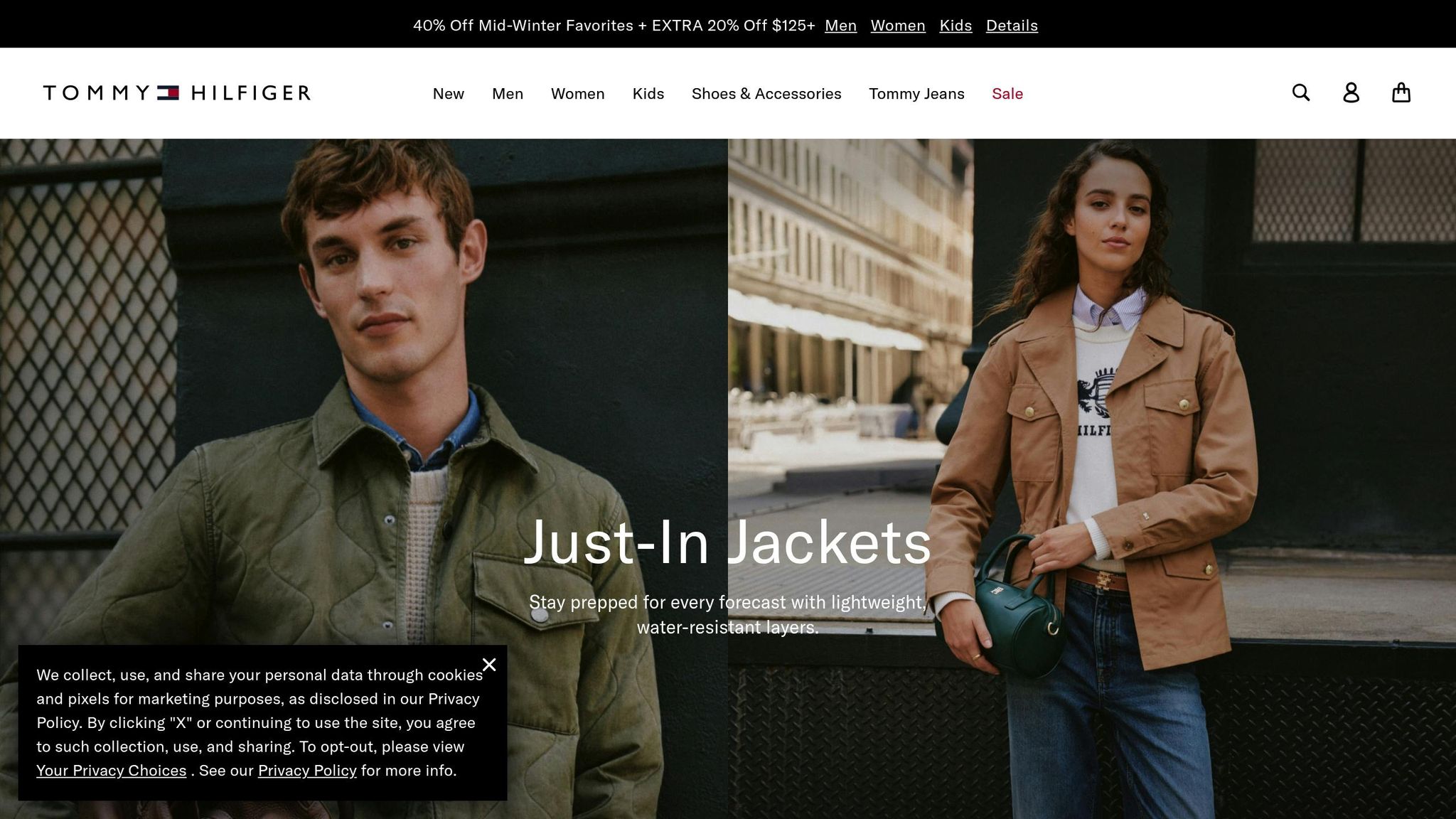
Tommy Hilfiger has embraced digital innovation by designing all its garments digitally. The brand aimed to create 60,000 3D product options by 2021, leveraging a proprietary digital library of fabrics and colors.
Cost Savings
Switching to a digital-first approach has brought significant financial advantages. CEO Daniel Grieder highlighted the efficiency of this method:
"If we have at once this digital design, we can use it for the digital showroom, use it for marketing – we don’t have to photograph it – because it is all there. Everything will be possible, and so much faster."
By cutting out physical samples and traditional photoshoots, the company has saved on material costs, shipping, and production delays. These savings have allowed the brand to focus on expanding its 3D-designed apparel, which was set to appear in over 2,000 retail locations globally by 2022. This streamlined process also opens doors for creative customizations.
Customization
Tommy Hilfiger is pushing the boundaries of customization by using AI to create digital twins of celebrity models. CEO Daniel Grieder explained:
"Gigi Hadid will not just create a digital model but will train artificial intelligence to behave like Gigi, so if she can’t model, she will send her avatar to other companies and dress in digital clothes."
This approach allows a model’s digital twin to participate in campaigns, offering unmatched flexibility for creating tailored content across different platforms and markets. These efforts underline the brand’s focus on personalized and inclusive digital experiences.
Diversity Representation
In January 2024, Tommy Hilfiger launched FashionVerse, a mobile fashion styling game developed by Brandible Games under Hilfiger Ventures. This app uses generative AI to create lifelike 3D avatars representing a diverse range of sizes, ethnicities, and abilities. By gamifying fashion styling, the platform enhances Tommy Hilfiger’s commitment to inclusive storytelling in the digital space.
Scalability
Tommy Hilfiger’s digital workflow has also proven to be highly scalable. Generative AI has enabled the brand to refine and produce high-quality digital content almost instantly. Reflecting on this capability, the company noted:
"AI basically did that for us overnight."
This ability to quickly adapt and deliver digital assets – from virtual showrooms to social media content – ensures the brand stays ahead of trends while maintaining a consistent flow of fresh marketing materials.
5. Mock It AI
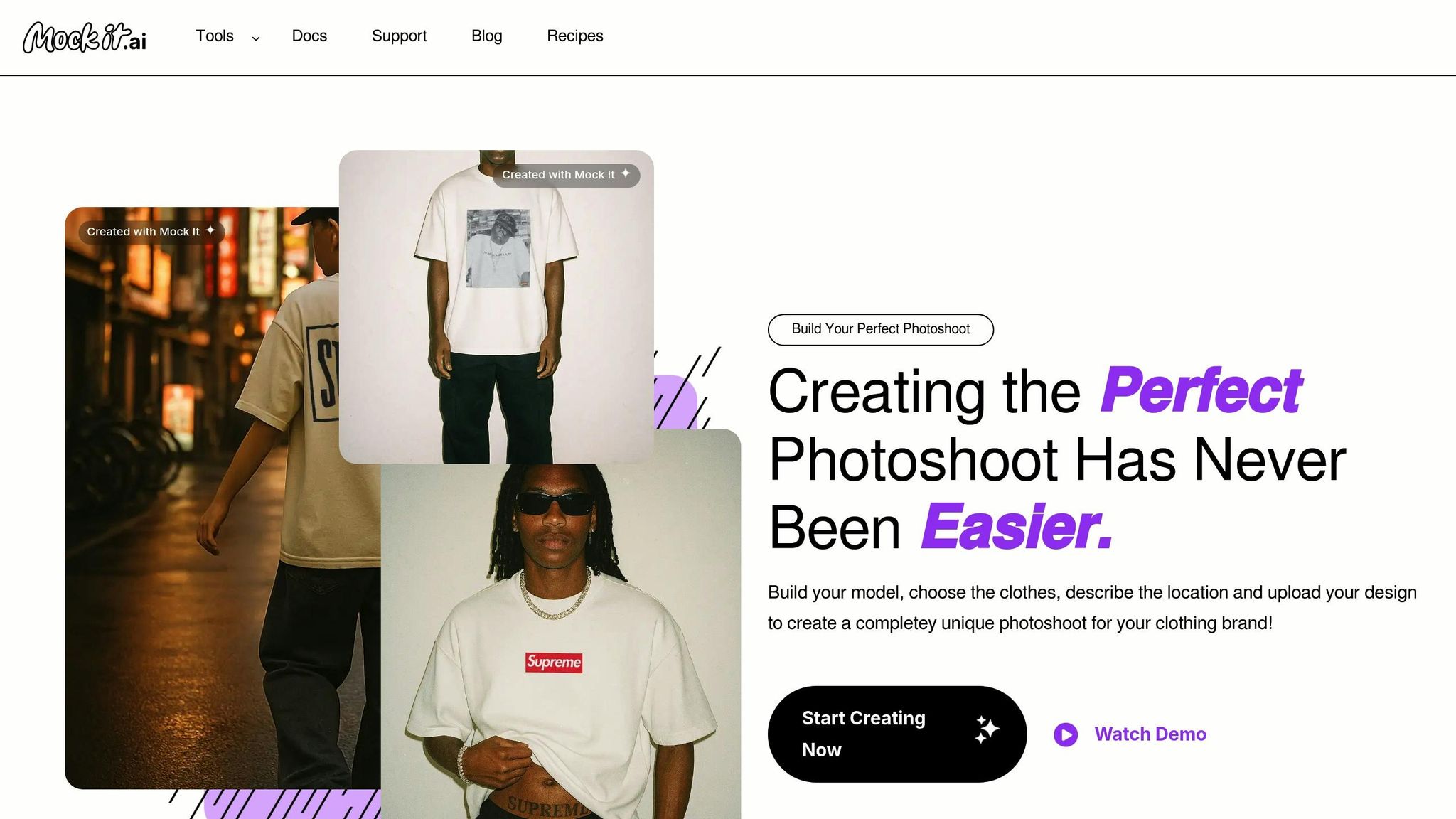
Mock It AI is a browser-based tool designed to create AI-driven photoshoots without the need for additional software. By removing the hassle of booking physical studios, hiring models, or coordinating with stylists, the platform offers brands a streamlined and accessible way to produce professional visuals.
Cost Savings
This platform helps brands create high-quality images directly from garment photos, cutting out the costs associated with studio rentals, model fees, and logistics. It also reduces waste from unused samples and eliminates travel expenses since everything is done digitally. Starting at just $12 per month for 100 mockup generations, smaller brands can afford professional-grade visuals without the usual photography costs. Plus, this affordability comes with advanced customization options.
Customization
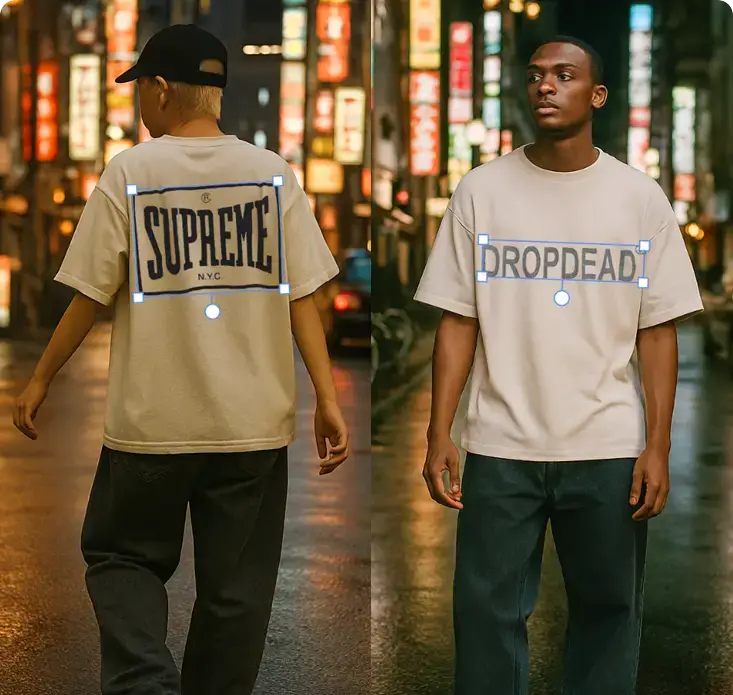
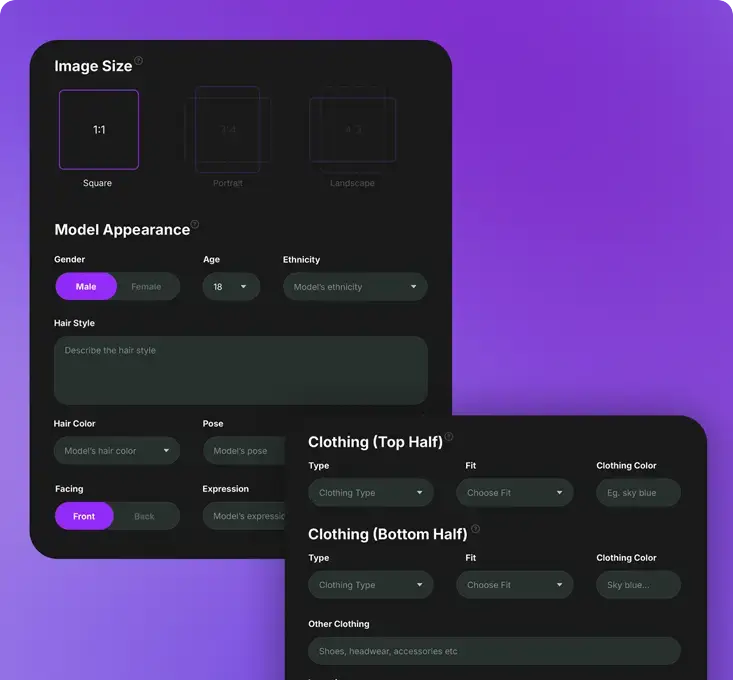
Mock It AI offers extensive customization, letting users design digital models by selecting specific features, clothing items, and even virtual locations. Brands can upload their own designs and tweak colors to match exact preferences. This flexibility allows for the creation of digital twins – consistent virtual models that can be used across product pages and marketing campaigns.
Scalability
The platform is built to handle the demands of large product catalogs, making it easy for brands to manage thousands of SKUs without needing extra resources. With thousands of customizable visual templates available, brands can speed up their time-to-market, enabling quicker product launches and more frequent campaigns. Mock It AI ensures that visual content production can scale globally while maintaining consistent quality across all channels.
Advantages and Disadvantages
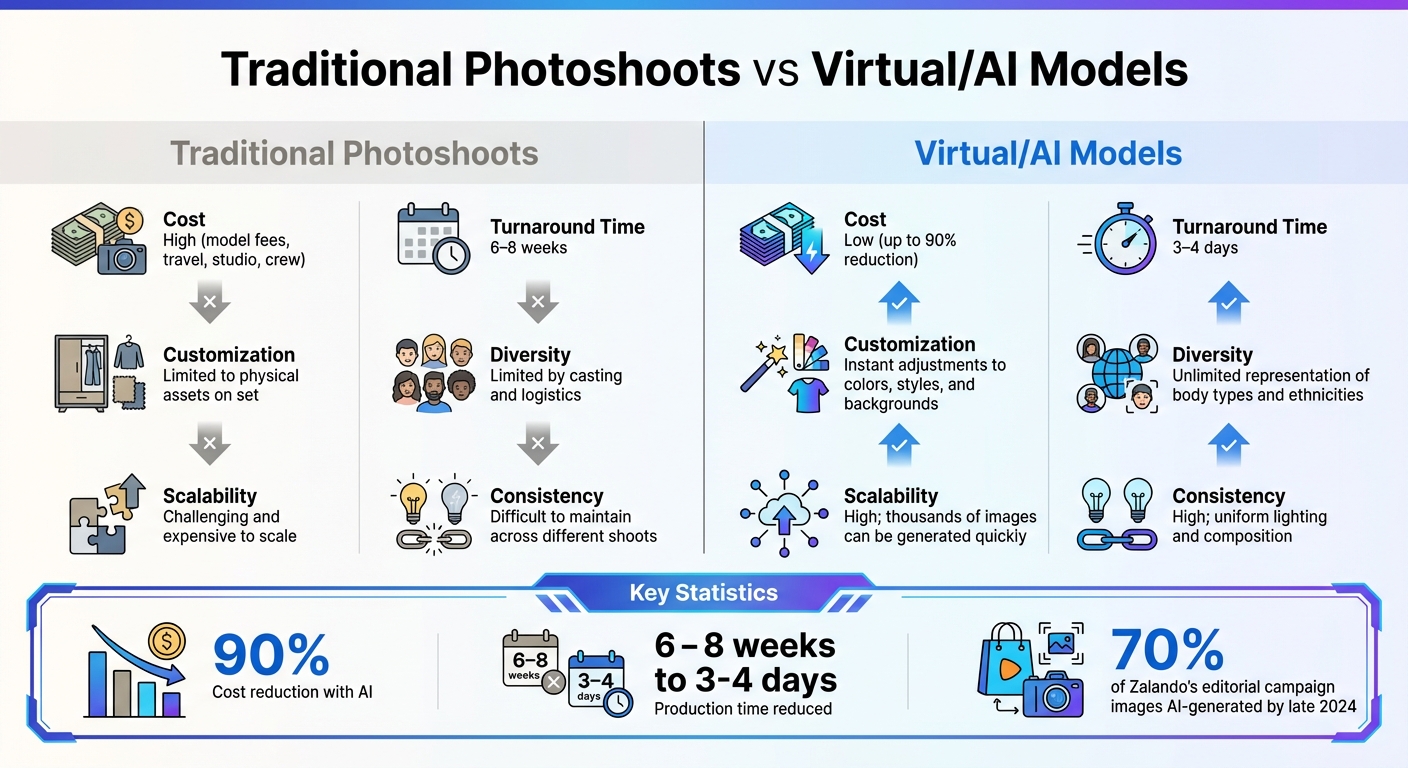
Traditional vs AI Virtual Models in Fashion: Cost, Speed, and Scalability Comparison
Virtual models are transforming the fashion industry by cutting costs and speeding up production timelines. In May 2025, Matthias Haase, Vice President of Content Solutions at Zalando, revealed that generative AI slashed imagery production costs by a staggering 90%. It also reduced production times from 6–8 weeks to just 3–4 days, with approximately 70% of Zalando’s editorial campaign images being AI-generated by late 2024. This newfound efficiency allows brands to respond to fast-moving social media trends in days rather than months.
However, this technology isn’t without its challenges – particularly around ethical concerns tied to diversity representation. For instance, Levi Strauss & Co. faced criticism in March 2023 for using AI in a diversity-focused campaign. Shereen Daniels, Managing Director at HR Rewired, commented:
"If you’re a brand that already has challenges around representation and racial equity, tacking [AI] on is always going to look problematic, like you’re trying to take a shortcut to ‘look better’".
To better understand the shift, here’s a comparison between traditional photoshoots and virtual/AI models:
| Feature | Traditional Photoshoots | Virtual/AI Models |
|---|---|---|
| Cost | High (model fees, travel, studio, crew) | Low (up to 90% reduction) |
| Turnaround Time | 6–8 weeks | 3–4 days |
| Customization | Limited to physical assets on set | Instant adjustments to colors, styles, and backgrounds |
| Diversity | Limited by casting and logistics | Unlimited representation of body types and ethnicities |
| Scalability | Challenging and expensive to scale | High; thousands of images can be generated quickly |
| Consistency | Difficult to maintain across different shoots | High; uniform lighting and composition |
While virtual models offer clear advantages in cost, speed, and scalability, they also raise questions about ethics and creativity. Striking the right balance is essential.
One potential solution is the digital twin approach, which blends human and AI elements. In July 2025, H&M introduced images featuring digital replicas of real models, such as Vanessa Moody. This approach allows models to maintain control over their AI likeness while helping brands scale content production. Vanessa Moody explained:
"It’s not here to replace everyone. It’s here to be combined with what we’re already doing".
This hybrid model addresses some ethical concerns by preserving human input while leveraging AI’s efficiency. However, it requires clear consent and ongoing compensation agreements, as outlined by New York’s Fashion Workers Act, which took effect in June 2026.
Transparency is essential for earning consumer trust. Brands must openly disclose when images are AI-generated to avoid accusations of misleading their audience. While AI excels at producing large-scale e-commerce imagery, it often lacks the emotional depth and "human touch" needed for luxury branding. The most successful strategies combine AI’s efficiency with human creativity – using virtual models for catalog production while reserving human talent for high-profile campaigns.
Conclusion
Virtual models are now driving four distinct strategies, each tailored to meet specific brand goals. H&M took the lead in July 2025 with their digital twin model, creating AI versions of real-life models like Vanessa Moody and giving them the ability to license their likeness. Levi’s, on the other hand, aimed to promote diversity by introducing AI-generated models that showcased a variety of body types and skin tones – though this approach sparked controversy back in 2023. Meanwhile, Tommy Hilfiger and Balmain have incorporated virtual models into their campaigns, with varying levels of openness about their methods. Mock It AI stands out by providing smaller brands with access to fully customized, AI-driven photoshoots, eliminating the need for costly studio setups. These strategies highlight the evolving ways brands are leveraging AI to adapt to modern demands.
This shift signals a move away from traditional photoshoots toward faster, more scalable digital content creation, where models are now treated as licensed digital assets. The industry is also leaning into hyper-personalization, with the potential for consumers to see tailored AI renderings that could reduce e-commerce return rates. Despite the rise of digital innovation, the balance between technology and the human element remains critical for maintaining the storytelling essence of high fashion.
The future of fashion appears to be a hybrid one. As Matthias Haase from Zalando insightfully put it:
"I don’t see that at all… I see it rather that creative minds have now, instead of two hands, six hands".
While e-commerce imagery is becoming nearly indistinguishable from human photography, high-fashion editorials still rely on the emotional depth and narrative only real models can deliver. As brands refine their use of hybrid approaches, transparency and consent will remain essential cornerstones.
Navigating this space also requires balancing efficiency with ethics. Brands like Valentino have been commended for openly disclosing their use of AI and ensuring informed consent from all involved parties. In contrast, others have faced criticism for sidestepping these principles. With generative AI projected to contribute between $150 billion and $275 billion to industry profits from 2028 to 2031, the brands that succeed will be those that prioritize ethical practices alongside technological advancements.
AI’s place in fashion is no longer up for debate – it’s here to stay. The real question is how much creative control brands are willing to entrust to machines while safeguarding the human artistry that has long defined the industry.
FAQs
How are virtual models influencing the authenticity and ethics of fashion marketing?
Virtual models are shaking up fashion marketing, offering brands a mix of exciting possibilities and complex challenges tied to authenticity and ethics. These AI-generated figures let companies showcase a broad range of identities and styles without the logistical headaches of traditional photoshoots. But not everyone is on board. Critics argue that relying on virtual models can create a sense of superficial diversity, especially if brands use them as an easy way out instead of genuinely championing underrepresented communities.
There’s also the question of ethics, particularly when it comes to jobs in the fashion industry. Roles like photographers, makeup artists, and human models could face displacement as virtual models become more popular. While these digital creations can save money and offer creative flexibility, leaning on them too heavily might backfire. If consumers feel the representations lack authenticity or seem overly polished, it could chip away at trust. The challenge for brands is finding the right balance – embracing innovation while staying ethical and committed to storytelling that resonates on a deeper level.
What are the time and cost advantages of using AI-generated models in fashion?
AI-powered models are transforming the fashion industry, slashing production timelines from weeks to mere days. This shift doesn’t just save time – it cuts costs dramatically, with reductions of up to 90%. But it’s not just about efficiency. These models allow brands to craft personalized, eye-catching visuals that connect with their audience on a deeper level. By doing so, they help brands tell engaging stories and present their products in a way that truly stands out.
What’s the difference between digital twins and fully synthetic avatars in showcasing diversity?
Digital twins are lifelike, AI-driven replicas of real individuals, crafted to mirror the unique features and identities of people from various backgrounds. Their primary goal is to provide authentic representation, making them a valuable tool for promoting inclusivity and reflecting real-world diversity.
On the flip side, fully synthetic avatars are entirely AI-generated creations. These avatars aren’t linked to any specific person, offering a broad range of appearances and unmatched flexibility. While they open doors for creative expression, they also bring up concerns about authenticity and ethical considerations.
In short, digital twins prioritize personalized, genuine representation, whereas synthetic avatars lean into versatility and creative possibilities.